
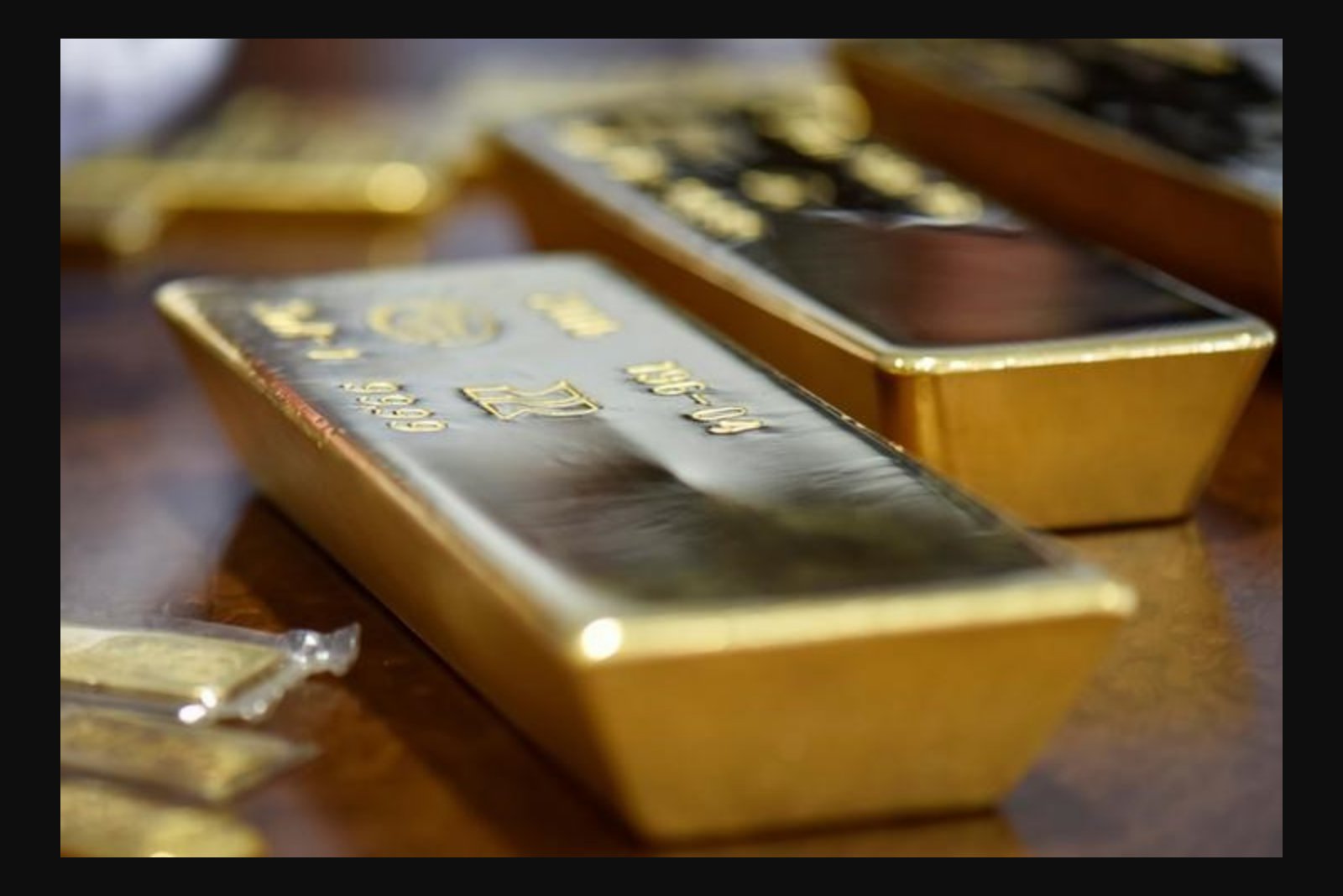
Gold was largely range-bound on Wednesday, clinging to levels close to a one-month low as geopolitical uncertainty tied to the Iran conflict and a key Federal Reserve policy meeting damped demand for the metal. Investors favored the dollar as the principal haven amid the latest developments, leaving bullion vulnerable to pressure from rising crude prices.
Market moves
Spot gold fell 0.1% to $4,593.04 an ounce by 02:09 ET (06:09 GMT), while gold futures edged down 0.1% to $4,606.31/oz. The yellow metal recorded sharp losses earlier in the week as risk-averse flows concentrated in the U.S. currency and oil climbed on fears of a protracted U.S.-Iran standoff.
Other precious metals showed mixed performance but remained under strain after recent declines. Spot silver rose 0.7% to $73.6135/oz, while spot platinum slipped 0.3% to $1,937.75/oz.
Developments on Iran and potential maritime disruption
Reports emerged that the U.S. President instructed aides to ready plans for a prolonged naval blockade aimed at restricting Iran's ability to export oil. The intent described in the reports is to tighten economic pressure on Tehran by cutting off oil exports, with the objective of pushing Iran toward a settlement.
Earlier accounts indicated that the President was dissatisfied with an Iranian proposal to reopen the Strait of Hormuz in exchange for postponing discussions about Tehran's nuclear activities. If a blockade were to escalate tensions, Iran might retaliate by maintaining a near-term closure of the Strait, a development that would pose a direct threat to oil shipments from the region and could further disrupt energy flows.
Oil, inflation and central bank implications
Rising oil prices have been a key drag on gold since late-February, according to market commentary. The logic driving this effect is that higher energy costs can stoke inflation, which in turn raises the prospect of more hawkish central bank responses. Higher policy rates increase the opportunity cost of holding non-yielding assets such as gold, a dynamic that has overridden some of bullion's safe-haven appeal in recent sessions.
"For gold to regain stronger traction, markets may need to see either a pullback in oil prices or signs that geopolitical tensions are easing enough to revive dovish Fed pricing," OCBC analysts said in a note.
Fed meeting in focus
Attention was concentrated on the conclusion of the Federal Reserve's two-day meeting later on Wednesday. The central bank was widely expected to keep interest rates unchanged at the meeting's conclusion. Market positioning reflected growing odds that the Fed would maintain steady rates for the remainder of 2026, particularly if inflationary pressures intensify as a result of the Iran situation.
Beyond the Fed, market participants were also monitoring forthcoming rate decisions from the European Central Bank and the Bank of England, which are scheduled for later in the same week.
Implications for investors
With bullion under pressure from oil-led inflation concerns and central bank expectations, investors will likely watch the trajectory of crude prices and the tone of central bank communications closely. Near-term direction for gold may hinge on either a calming of geopolitical tensions that relieves oil market stress or a retracement in energy prices that reduces the inflationary impulse.