
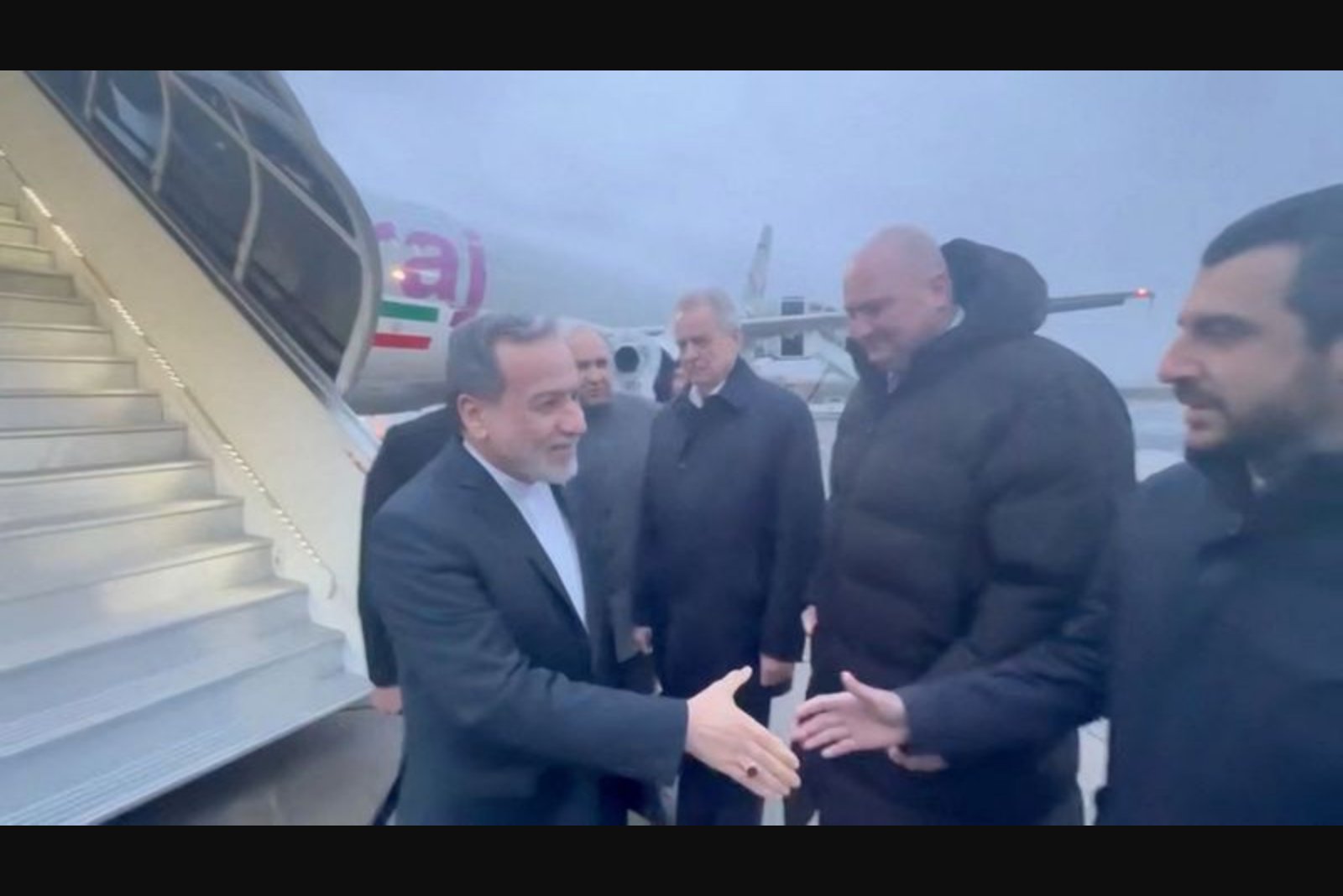
Iran's top diplomat in the current round of negotiations flew to Moscow on Monday after brief mediation stops in Pakistan and Oman, as Washington and Tehran remained at odds over terms to end a conflict that has disrupted global energy flows and rattled markets.
The trips came amid a renewed public exchange between Tehran and Washington. U.S. President Donald Trump said on a Sunday television program that Iran could either "come to us" or call to begin negotiations, adding that there were "nice, secure" telephone lines available. He emphasized a single non-negotiable point for any agreement: Iran must not be allowed to possess a nuclear weapon. "They know what has to be in the agreement. It's very simple: They cannot have a nuclear weapon; otherwise, there's no reason to meet," the president said.
Iran has consistently argued it seeks uranium enrichment for peaceful purposes and has insisted Washington recognize that right - a point Western powers counter as a potential pathway to weapons. Those positions remained unchanged as talks faded over the weekend, leaving the Strait of Hormuz effectively blocked and major economic and security questions unresolved.
Market signals were immediate. Oil prices rose and U.S. stock futures moved lower in early Asian trading as a result of the stalled negotiations and continued disruption to Gulf shipping, reflecting investor concern about supplies and economic spillovers.
Diplomatic activity accelerated before the lull. Iran's deputy foreign minister, Abbas Araqchi, made rapid diplomatic moves on Sunday, traveling between mediators Pakistan and Oman before heading to Russia. Araqchi's arrival in Moscow was framed by Iran's envoy to Russia, Kazem Jalali, as part of a broader diplomatic effort to protect the country's interests amid "external threats." Jalali posted on the social media platform X that Araqchi would meet Russian leadership "in continuation of the diplomatic jihad to advance the country's interests and amid external threats." In his post, Jalali described Iran and Russia as united against what he termed "the world's totalitarian forces" and nations seeking to prevent unilateral Western influence.
On the U.S. side, hopes for a quick diplomatic breakthrough dimmed when President Trump canceled a planned trip to Islamabad by two envoys, Steve Witkoff and Jared Kushner, saying the travel and expense were not justified by what he described as an inadequate Iranian offer. Speaking in Florida, the president said Iran had "offered a lot, but not enough."
Separate diplomatic signals came from Islamabad. Iranian President Masoud Pezeshkian told Pakistani Prime Minister Shehbaz Sharif by phone that Tehran would not engage in "imposed negotiations" conducted under what he described as threats or an economic blockade. According to an Iranian statement, Pezeshkian said the United States must first remove impediments - specifically citing the maritime blockade - before substantive talks to lay the groundwork for a settlement could proceed.
The diplomacy reported late Sunday included an account that Iran had provided a revised proposal to the United States through Pakistani intermediaries. That proposal - described in a news report cited by unnamed sources - reportedly offered to reopen the Strait of Hormuz and end the war while postponing nuclear negotiations to a later stage. The U.S. State Department and the White House did not immediately comment on that report.
Even with a ceasefire pausing large-scale combat that erupted after U.S.-Israeli strikes on Iran on February 28, no comprehensive settlement has been reached. Officials have continued to trade demands. Washington seeks limits on Iran's backing of regional proxy groups - specifically citing Hezbollah in Lebanon and Hamas in Gaza - and wants to curb Tehran's ability to strike U.S. allies with ballistic missiles. Iran, in turn, demands sanctions relief and an end to Israeli strikes on Hezbollah positions.
The wider region remained volatile. In Lebanon, Israeli strikes killed 14 people and wounded 37 on Sunday, the health ministry reported. The Israeli military also issued warnings for residents to evacuate seven towns located beyond a so-called "buffer zone" it had occupied prior to a ceasefire that has not fully halted hostilities.
On the economic front, Tehran has used the strategic leverage of the Strait of Hormuz - normally carrying roughly a fifth of global oil shipments - to influence negotiations, largely closing it, while the United States has imposed a blockade on Iranian ports. That dynamic has contributed to higher energy prices and heightened inflationary pressure, while dimming prospects for near-term global growth.
With approval ratings reportedly under pressure at home, President Trump faces domestic expectations to resolve the conflict. Tehran, despite military setbacks, retains bargaining power through its capacity to disrupt shipping in the strait. Mediators Pakistan and Oman have been active in attempting to bridge gaps, but after weekend activity in the region, momentum for a diplomatic breakthrough has faded and both sides remain publicly distant on core issues.
The coming days will likely see continued shuttle diplomacy, including Araqchi's engagements in Moscow, while key questions about nuclear activities, sanctions relief, proxy support, and maritime access remain unresolved. For markets and regional security, the unresolved impasse leaves a high degree of uncertainty.