
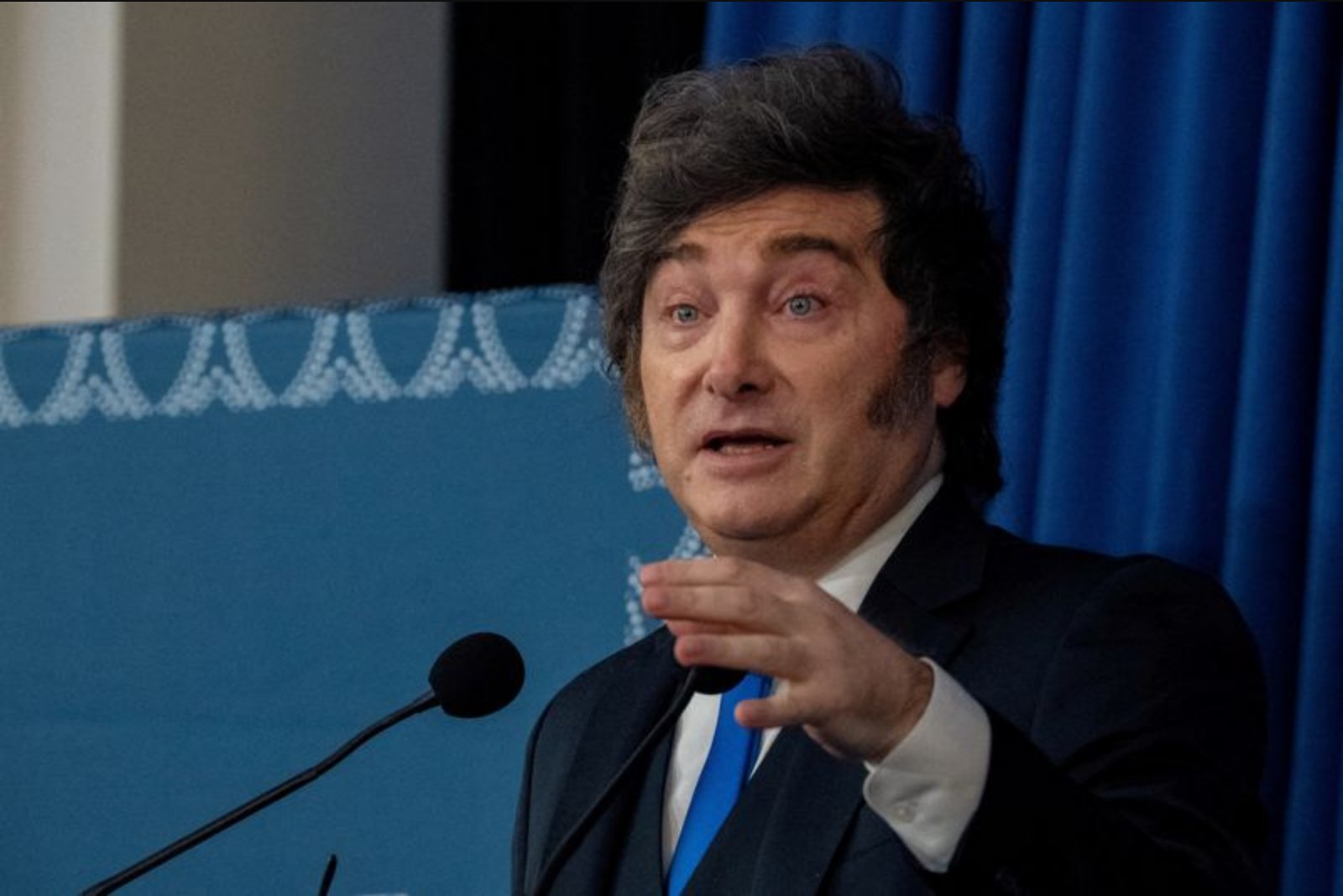
BUENOS AIRES, April 22 - President Javier Milei is proposing a wide-ranging electoral reform that would eliminate Argentina's mandatory primary elections - the PASO - and overhaul several rules governing parties, ballots and campaign financing, according to a 29-page draft bill seen by Reuters.
The draft legislation would remove the compulsory nature of the PASO, a preliminary voting stage that in recent years has been criticized as a costly indicator of likely election outcomes rather than a necessary mechanism for selecting candidates. The PASO results, the draft notes, have at times unsettled markets.
Beyond the proposal to end mandatory primaries, the bill outlines a series of measures intended to tighten the regulatory framework around political organizations and electoral procedures. It calls for stricter requirements for parties and candidates, moves to standardize the format of ballots, and steps to increase transparency both in electoral processes and in the financing that supports them.
A prominent feature of the 29-page draft is a set of prohibitions on certain sources of political party funding. The bill enumerates bans on funds that come from anonymous donations, from entities or individuals linked to gambling operations, from foreign public entities, and from other sources listed in the text. These provisions are presented as part of a broader push to make party financing more transparent.
The draft was described as ready to be submitted to the legislature; Milei had said he would send the bill to Congress on Wednesday. The document’s scope encompasses both administrative changes - such as standardized ballots - and substantive restrictions on how parties may be financed and how candidates qualify to run.
Supporters of the changes, as framed in the draft, present them as efforts to streamline the political system and curb opaque financing practices. Critics of PASO, cited in the discussion of the reform, argue the mandatory primaries function more as an expensive opinion poll than as an essential candidate-selection tool. The draft explicitly links the PASO controversy to the decision to propose its elimination.
The proposal addresses technical and financial aspects of elections in a single package rather than as isolated adjustments. By setting prohibitions on particular funding sources and tightening candidate and party criteria while also standardizing ballots, the draft aims to reshape multiple elements of Argentina's electoral framework in one legislative initiative.
The next step indicated in the draft is formal presentation to Congress for debate and potential approval. The document itself specifies the types of funding it would bar and the administrative changes it seeks to impose, but does not include language or timelines beyond the stated plan to transmit the bill to the legislature.