
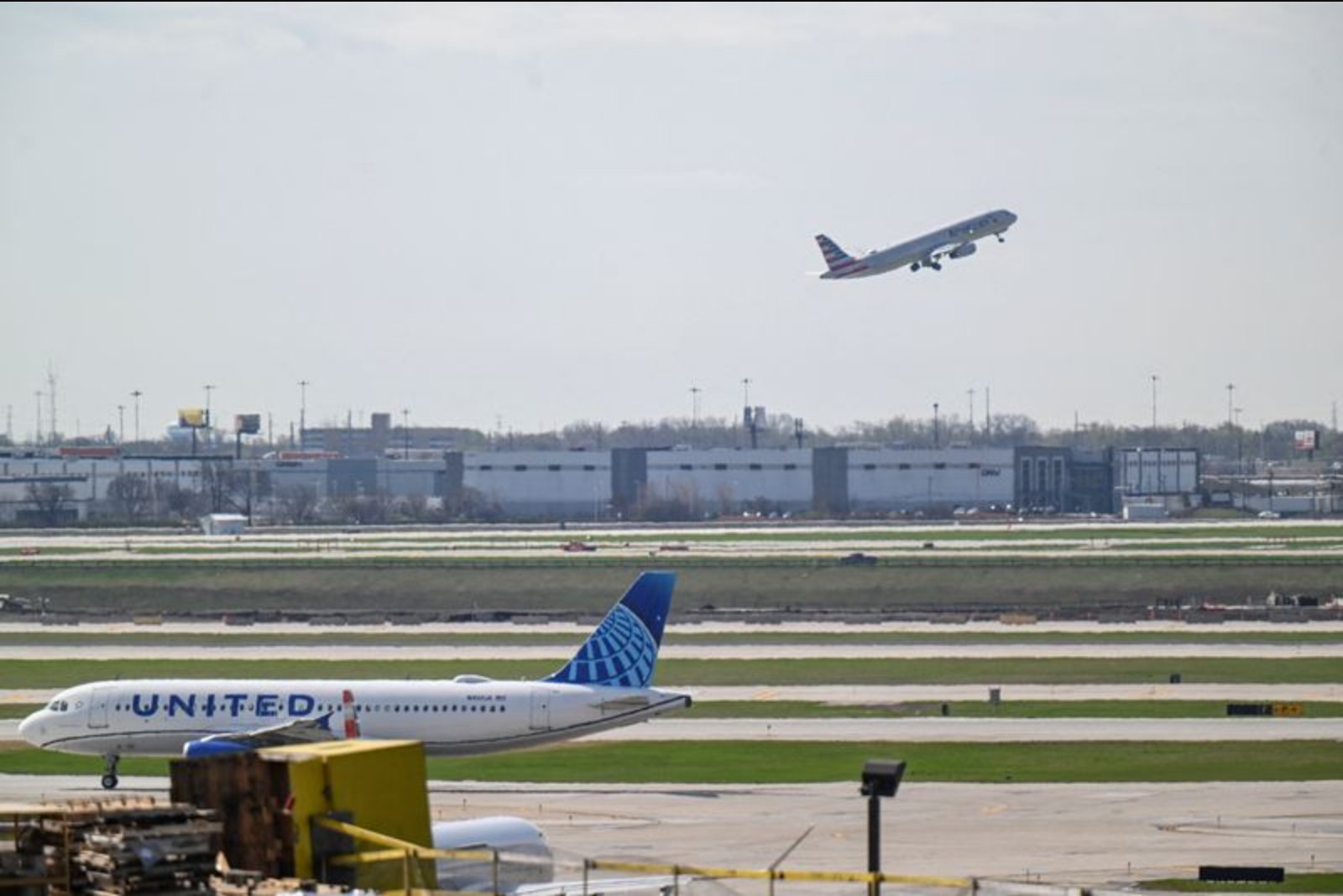
United Airlines forecast lower-than-expected profits for the second quarter and the full year, saying on Tuesday that a recent surge in fuel prices has tightened margins and clouded its short-term financial outlook. The Chicago-based carrier projected adjusted earnings of $1 to $2 per share for the second quarter. The midpoint of that range, $1.50, falls short of the analysts' average estimate of $2.08, according to data compiled by LSEG.
For the full year, United put forward an adjusted earnings range of $7 to $11 per share, versus an expectation of about $9.58. The company attributed the increased cost pressure to a fuel-price shock linked to the Iran war, saying that the spike in oil is reshaping economics across the U.S. airline industry.
Fuel outlook and recovery expectations
United said it expects to pay roughly $4.30 per gallon for jet fuel in the current quarter, using the forward curve as of April 17 as its basis. The airline warned that it will be unable to fully recover that immediate increase through fares and other revenue measures in the near term.
Specifically, United said it expects to recoup only 40% to 50% of the second-quarter fuel increase through higher fares and other revenue actions. That recovery rate is expected to improve to 70% to 80% in the third quarter, and to as much as 85% to 100% by the fourth quarter, indicating management anticipates gradually improved pricing or other revenue levers over the remainder of the year but not enough to neutralize the shock immediately.
First-quarter results and demand trends
United reported first-quarter adjusted earnings of $1.19 per share, beating analysts' expectation of $1.07. Total revenue climbed 10.6% year-on-year to $14.6 billion. High-margin segments showed resilience: premium revenue rose 14% year-on-year, corporate revenue increased 14%, and loyalty revenue was up 13%.
Despite the revenue gains, fuel expense rose by $340 million during the quarter, an increase of 12.6% from the year-earlier period.
Industry ripple effects and peers
United's cautious guidance follows similar signals from other carriers and aviation suppliers. Delta Air Lines has pulled planned growth, while Alaska Air withdrew its full-year forecast and said recent fare gains covered only about a third of its higher fuel bill. Financially weaker carriers such as Spirit Airlines are facing renewed strain in the current environment.
GE Aerospace, a major supplier to airlines, also warned that elevated oil prices are creating a tougher backdrop for its customers.
Capacity plans and investor engagement
United said it expects capacity in the third and fourth quarters to be flat to up 2% year-on-year, signaling a more restrained approach to growth as airlines attempt to protect margins. The company will discuss its financial results in a call with analysts and investors on Wednesday morning.
Management's guidance reflects a balancing act: preserving the stronger demand seen in premium and corporate travel while managing an operating-cost shock driven by sharply higher fuel prices tied to geopolitical developments.