
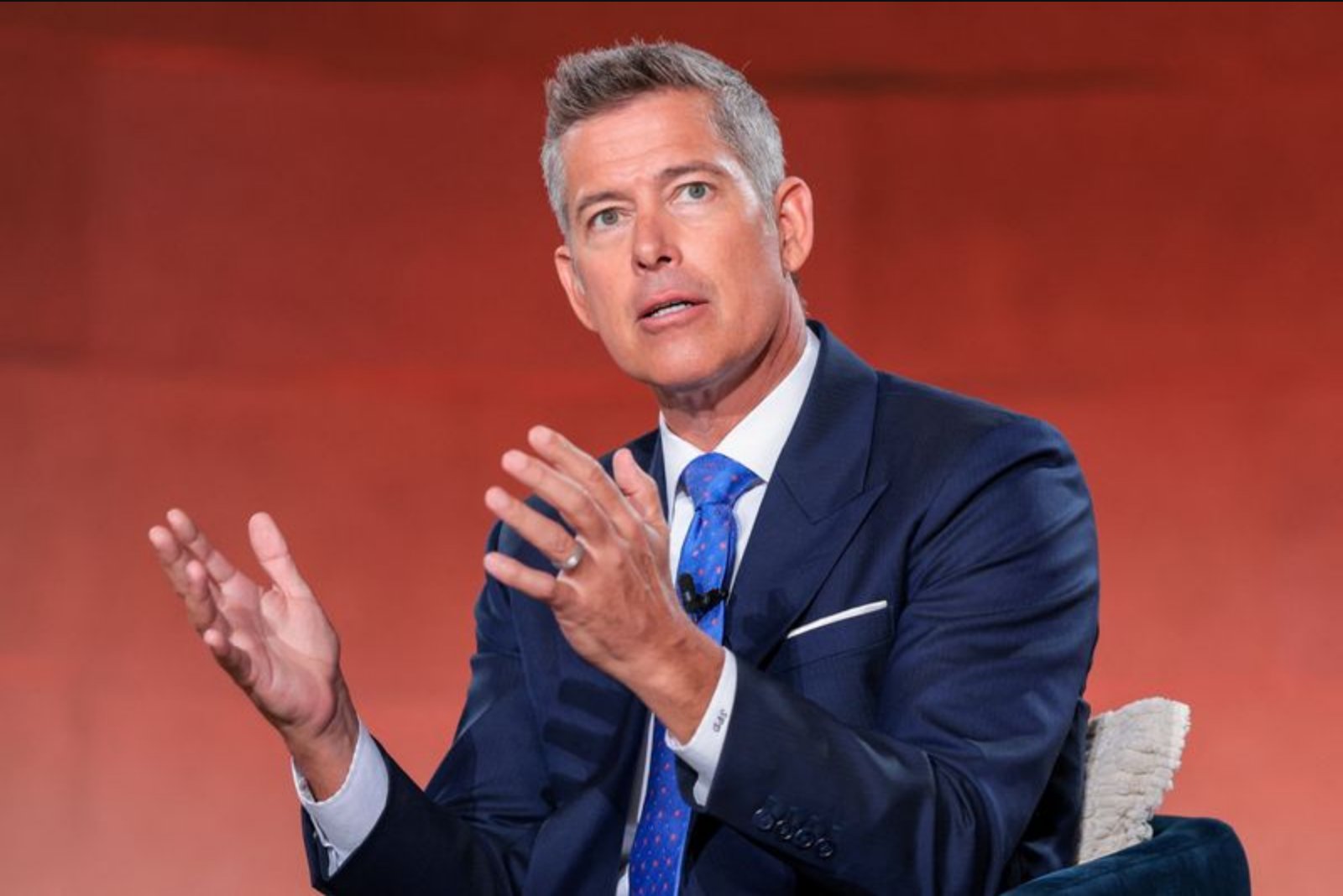
U.S. Transportation Secretary Sean Duffy said on Tuesday he is uneasy about the prospect of the federal government stepping in to prop up Spirit Airlines, the bankrupt low-cost carrier now pursuing a second restructuring. In a Reuters interview, Duffy flagged the risk of prolonging losses with public money rather than letting the company find its way back to profitability.
"What we don’t want to do is put good money after bad, and there’s been a lot of money thrown at Spirit, and they haven’t found their way into profitability. And so would we just forestall the inevitable and then own that?" Duffy asked. "Or does Spirit have some pathway to make it and I don’t know the answer to that."
President Donald Trump said on Tuesday he would like to see someone acquire Spirit and indicated the federal government could potentially become involved. "It’s 14,000 jobs, and maybe the federal government should help that one out," Trump said.
Duffy said there appears to be little appetite on the market to buy Spirit, and he questioned what a purchaser would actually be purchasing given the carrier’s financial and operational position. "What would someone buy?" he asked. "If no one else wants to buy them, why would we buy them?"
The Transportation Secretary said he planned to speak with Trump on Tuesday to discuss Spirit’s future. "It takes a lot more work from inside the government to figure out where we should go," he said, emphasizing the need to balance concern for employees with responsibility for taxpayer funds.
"By the way if you do do Spirit, who comes next? Who is the third?" Duffy said, pointing to the broader policy question of where government intervention would stop. He reiterated a dual focus: "I care about the employees at Spirit... We also have to be good stewards of the tax dollar. We can’t make dumb investments, we can’t put taxpayer money that is going to be lost or just forestall the inevitable."
Duffy also addressed broader market structure, saying some have suggested the administration favors mergers between primary carriers and low-cost airlines. He said he supports the existence of low-cost carriers as a distinct segment and wants both low-cost and premium carriers to coexist. "I see a world where I want low-cost carriers," he said. "There’s a market that’s well served by low-cost carriers. And then there’s premium carriers as well. I want to see a vibrant competitive market in each."
The comments come as Spirit seeks court approval for a second restructuring in less than a year, after emerging from bankruptcy in March 2025. Reuters reported last week that Spirit’s bankruptcy exit plan is under renewed pressure after a sharp rise in jet fuel prices undermined key assumptions behind its restructuring.
The Biden administration previously went to court in 2024 to block JetBlue Airways’ proposed acquisition of Spirit, arguing the deal would eliminate an airline that helped keep fares down. On the link between Spirit’s survival and JetBlue, Duffy said: "If Spirit goes away, it’s better for JetBlue. If we bail out Spirit, I can’t imagine that JetBlue would love that."
Summary:
Transportation Secretary Sean Duffy expressed skepticism about using taxpayer money to rescue Spirit Airlines, warning against investing in a carrier that has not returned to profitability. President Trump suggested a government role to preserve around 14,000 jobs. Spirit is seeking court approval for a second restructuring amid pressure from rising jet fuel costs and uncertain buyer interest.