
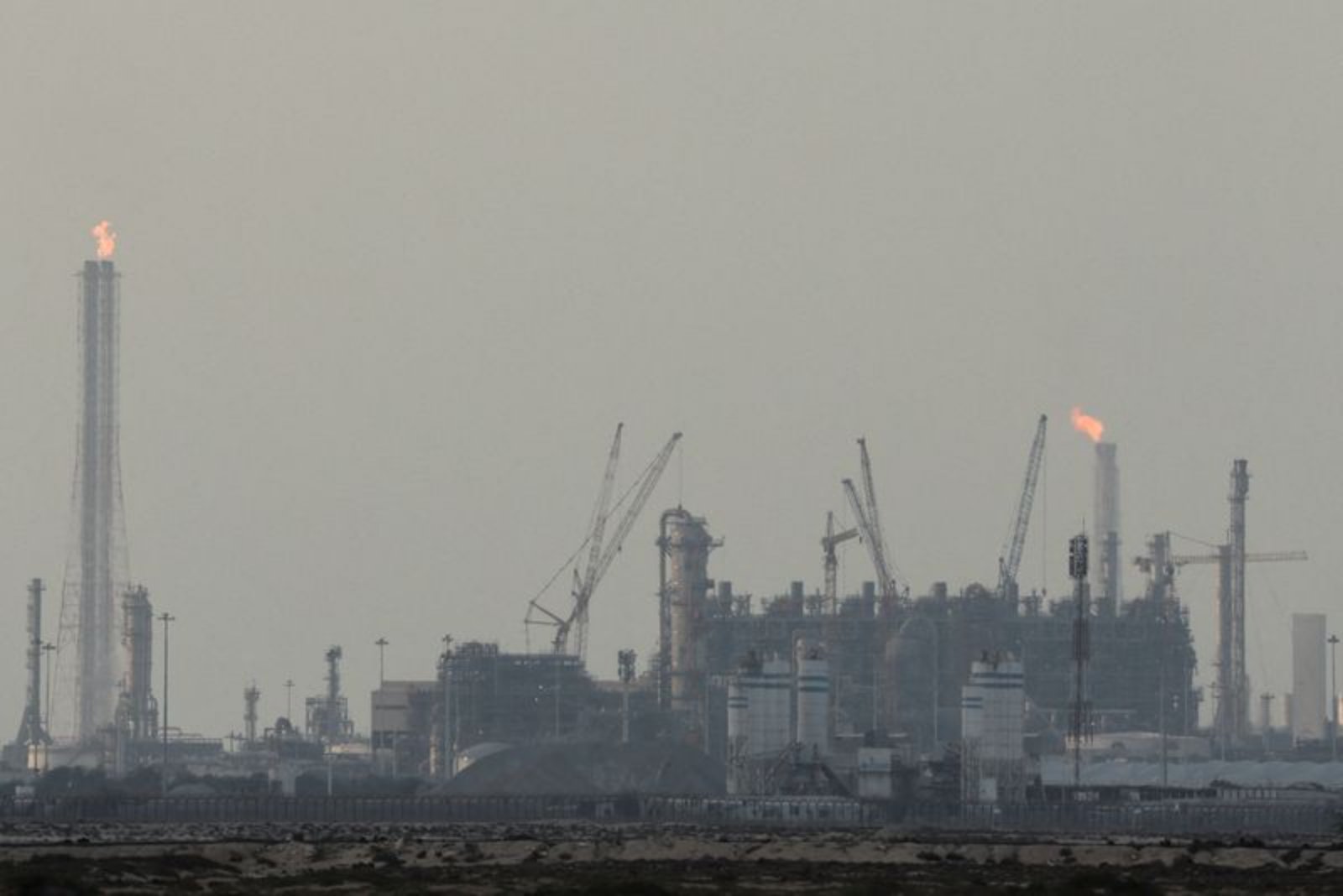
April 15 - A new assessment by Rystad Energy places the potential repair bill for energy-related infrastructure damaged in the Middle East conflict at as much as $58 billion, with oil and gas facilities constituting up to $50 billion of that total. The updated estimate is a sizeable increase from the firm's first projection of $25 billion three weeks earlier and reflects a wider accounting of damage sustained before an April 8 ceasefire between the U.S. and Iran.
Rystad senior analyst Karan Satwani warned that the costs go beyond the headline figure. "Repair work does not create new capacity. It redirects existing capacity, and that redirection will be felt in project delays and into inflation far beyond the Middle East," Satwani said. "The $58 billion bill is the headline, but the knock-on effects on energy investment timelines globally may prove just as significant."
The research house expects total repair spending to average around $46 billion, highlighting downstream refining and petrochemical assets as the largest share of that expenditure due to their technical complexity and the scale of damage recorded.
Rystad added that industrial, power and desalination facilities could tack on an additional $3 billion to $8 billion in repair costs. The report also notes that recovery timelines are beginning to diverge by asset type and by country, underscoring differences in domestic execution capacity and access to supply chains.
Country-level impacts vary. Iran faces the most widespread damage, with repair costs that may reach $19 billion and affect gas processing, refining and export infrastructure. Qatar is facing a more concentrated but technically demanding repair requirement, particularly at the Ras Laffan industrial hub, where restoration work may overlap with ongoing LNG expansion projects.
Rystad anticipates that engineering and construction services will absorb the largest portion of repair spending. However, the firm emphasizes that delays in procuring critical equipment and in assembling necessary workforces will likely be the decisive factors shaping recovery timetables. According to the report, securing equipment and workers remains the single biggest challenge to restoring damaged assets.
Summary
Rystad Energy estimates up to $58 billion in repair costs across Middle East energy-related infrastructure, with oil and gas assets bearing most of the expense. The revision from an earlier $25 billion estimate accounts for broader damage recorded prior to an April 8 ceasefire. Engineering, procurement and workforce constraints are expected to influence recovery speed and could have knock-on effects on global energy investment timelines.
Key points
- Estimated maximum repair costs total $58 billion, with oil and gas facilities responsible for up to $50 billion.
- Average expected repair spending is about $46 billion; downstream refining and petrochemical facilities represent the largest component due to complexity and extent of damage.
- Country impacts differ: Iran may face up to $19 billion in repairs; Qatar's damage is concentrated and technically complex at Ras Laffan, potentially overlapping LNG expansion work.
Risks and uncertainties
- Procurement delays for critical equipment and shortages of skilled workers could extend recovery timelines and increase costs.
- Redirecting existing engineering and construction capacity toward repairs may cause project delays and contribute to inflationary pressures beyond the Middle East.
- Variation in domestic execution capabilities and supply chain access means recovery will not be uniform across countries and asset classes.