
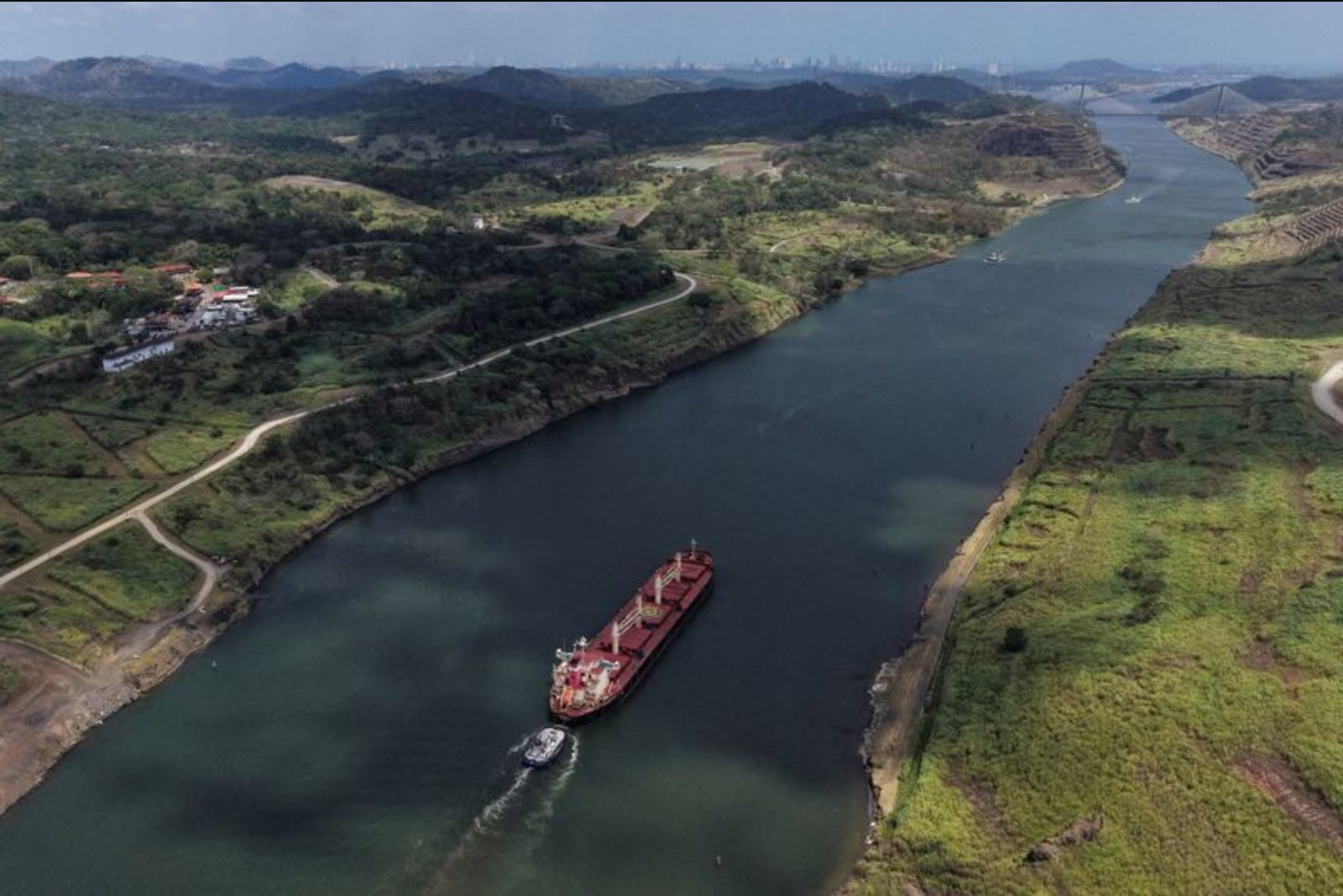
On April 23, the Panama Canal Authority confirmed that individual ships had paid in excess of $1 million for auctioned crossing slots in recent sessions, but the agency said those results were outliers tied to a temporary uptick in demand rather than signs of sustained congestion at the waterway.
Authority officials noted that average auction prices rose to about $385,000 following the start of the Middle East conflict, compared with roughly $135,000 to $140,000 before that uptick in traffic. The authority had also addressed reports the prior week that a liquefied petroleum gas vessel might have paid as much as $4 million at auction to obtain quicker transit; officials characterized such reports as exaggerated while acknowledging that high bids had occurred.
Victor Vial, the canal's vice president of finance, said in a statement that some vessels had indeed paid more than $1 million in recent auctions. He emphasized that these outcomes were exceptional and linked to a short-term rise in demand rather than an ongoing pattern of price escalation.
Officials pointed out that the vast majority of ships secure their transits well in advance, which helps avoid the need to rely on last-minute mechanisms and reduces the risk of forming long queues. The canal maintains several booking options: long-term slot allocations, a dedicated booking system for liquefied natural gas vessels, and arrangements for ships that do not reserve slots ahead of time. For those last-minute cases, the canal offers both last-minute reservations and auctions. Currently, between three and five slots are made available each day through the auction system.
Ricaurte Vazquez, the canal administrator, said container shipments and liquefied petroleum gas cargos have been among the strongest-performing segments recently. She added that energy products have assumed a larger share of the volumes moving through the waterway.
The authority also described active steps to protect water reserves in its retention lakes as it monitors the risk of a potentially strong El Nino later this year. Deputy administrator Ilya Espino de Marotta said that atypical rainfall during the dry season had kept Gatun and Alhajuela lakes at maximum levels, allowing the canal to build reserves.
"We do not foresee anything significant between now and December, but we are continuing to monitor the situation," she explained, adding that the objective is to sustain lake levels as high as possible in advance of the next dry season.
The authority noted the importance of maintaining those reserves because, in prior episodes of drought, reduced water availability forced the canal to cut its daily crossings.