
Leroy Seafood said its operational EBIT for the second quarter amounted to NOK 574 million, marking a decline versus the same period last year. The company attributed the reduction mainly to lower harvest volumes in its Farming division, which weighed on margins and overall operating profit.
Despite the drop in quarterly operational earnings, the Norway-based seafood producer highlighted several positive developments. Management reported robust biological performance and noted an improvement in cash flow during the quarter. The firm also pointed to declining cost levels in Farming operations and progress on an ongoing cost optimization program, which the company said supported the cash flow improvement.
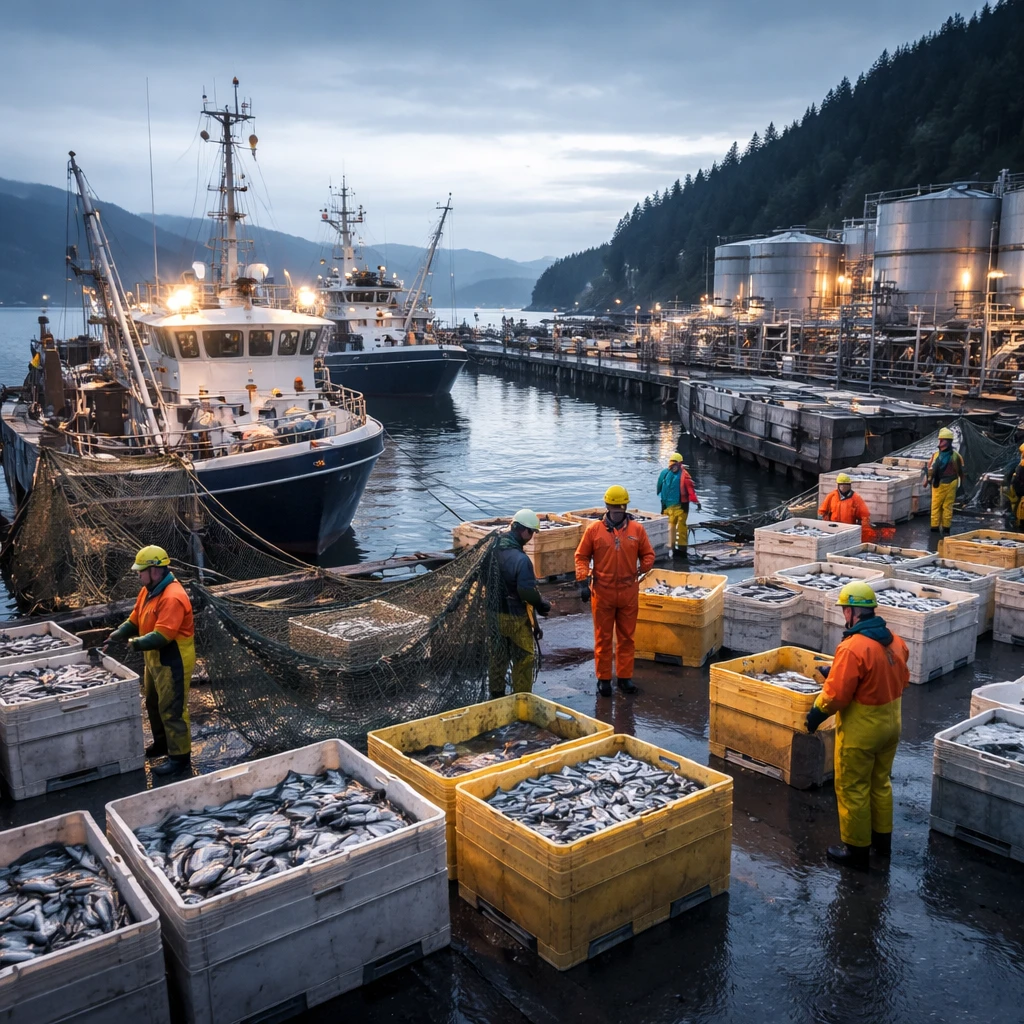
In a notable adjustment to guidance, Leroy raised its full-year operational EBIT outlook for the Wild Catch segment to a range of NOK 400-450 million, up from the prior range of NOK 350-400 million. The company said this upward revision reflects higher catch volumes in the segment together with strong pricing for Wild Catch products.
On harvest volumes, Leroy maintained its Norway 2026 guidance at 195,000 GWT. The company also provided an outlook for market supply and demand, saying it expects global salmon and trout supply growth to slow in the second half of 2026, while demand is anticipated to rise in the same period.
These results present a mixed operational picture: Farming volumes and margins contracted enough to reduce second-quarter operational EBIT, yet improvements in biological performance, cost control and cash flow were reported. At the same time, the Wild Catch business is seeing enough favorable trends in volumes and pricing to justify a higher earnings range for the year.
Key operational takeaways include continued focus on cost optimization in Farming, maintenance of harvest volume guidance for 2026, and an upgraded Wild Catch earnings trajectory supported by catch and price dynamics. The company’s statements also underscore an expectation for slower supply growth and firmer demand in salmon and trout markets during the latter half of 2026.