
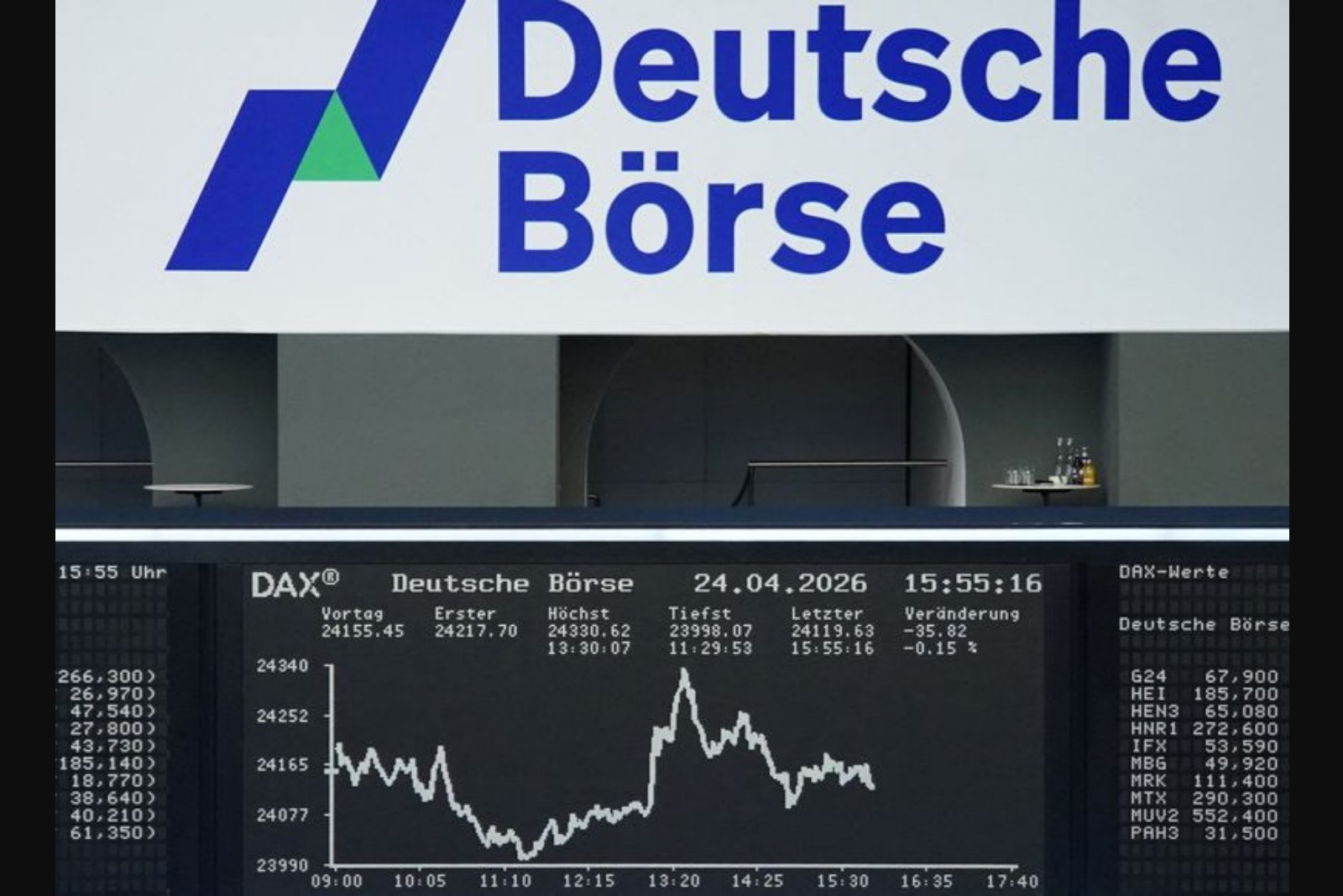
Stephan Leithner, chief executive of German exchange operator Deutsche Boerse, has warned that shifting equity markets to round-the-clock trading could harm market functioning by spreading liquidity too thinly across time. His comments come amid developments on Wall Street and in the derivatives markets that are expanding trading hours to meet demand from new asset classes and retail investors.
Exchanges and trading venues are responding to the rise of cryptocurrencies and other instruments that are not constrained by conventional opening hours, as well as to technology that has heightened expectations among retail participants for the ability to trade at any hour. In recent months, Nasdaq filed paperwork with U.S. regulators with a plan to lengthen trading sessions to 23 hours on weekdays, while CME Group is rolling out 24/7 trading for crypto futures and options.
Leithner cautioned that extending hours across the board risks fragmenting liquidity, particularly from a timing perspective. "We need to really stay focused to not fragment liquidity, also from a timing perspective," he said, noting that large institutional investors typically prefer their buying and selling to be concentrated at particular times to support orderly execution and efficient market operations.
Deutsche Boerse, which will release first-quarter results next week, runs Germany's Frankfurt bourse, the Eurex derivatives venue and the 360T foreign exchange platform, among other businesses. Leithner pointed to existing examples of targeted extended-hours trading, such as Deutsche Boerse's XETRA Retail platform that permits trading until 10 p.m. in Europe, and suggested such access should be focused on investors who want it. "Even if it is technically something we can do, we should keep it targeted to investors that are interested," he said.
He questioned whether the largest asset managers would actively trade in low-liquidity windows - for example, "Can you imagine the biggest asset managers come in on a Sunday evening in August to trade? Why would they do that? For their trades, they need big liquidity, they need accumulated liquidity," he said.
Leithner also addressed broader concerns about Europe's market structure and competitiveness. European policymakers and financial officials have raised alarms that public market trading in the region has weakened over time, with implications for economic and financial strength. In March, finance ministers from the so-called E-6 group of euro zone countries wrote to the European Commission urging greater transparency across equity trading venues.
Leithner stressed the importance of returning activity to transparent venues. He noted that trading in Europe currently takes place across roughly 500 venues, but only 35 of those are exchanges, with activity having migrated into dark pools. He added that the share of global equities trading occurring on Europe’s public markets has dropped to below 30% from about 55% two decades ago, while the United States still accounts for roughly 50% of global equity trading.
"We need to bring back the liquidity from the others to the transparent venues. That consolidation, does this need M&A? No, this will organically happen with the right regulatory framework," Leithner said.
Other European operators are also weighing the consequences of longer trading hours. London Stock Exchange Group told market participants it periodically reviews its trading platforms and markets to ensure they meet the needs of companies and investors, and that any change to trading hours would follow customer demand and full consultation with market participants. "We regularly look across all of our trading platforms and markets to ensure they best serve the needs of companies and investors. Any changes to trading hours would be made in response to customer demand and following full consultation with market participants," LSEG said in a statement.
The debate over trading hours is unfolding as banks, asset managers and exchanges evaluate the structural trade-offs between accessibility for retail and crypto markets versus the benefits of concentrated liquidity for large institutional flows. While some market participants and platforms are moving toward extended schedules, others remain resistant, citing concerns about liquidity fragmentation and market efficiency.
The article also included a promotional note referencing a trading idea for DB1Gn and a chart analysis tool that claims to provide entry, stop-loss and profit-target suggestions quickly for traders who want assistance in execution decisions.