
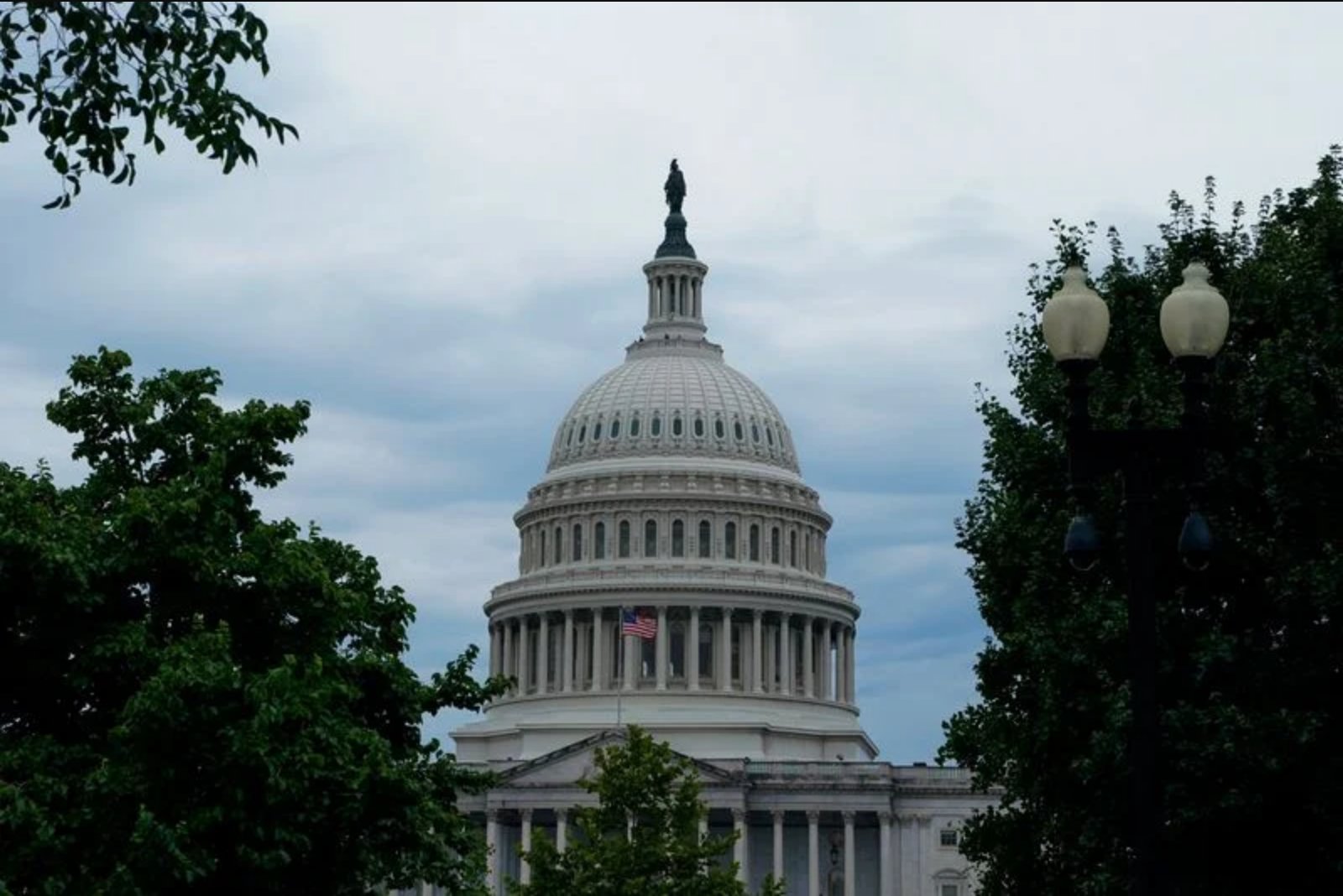
With the White House sending the signed text of the U.S.-Iran Memorandum of Understanding to Capitol Hill, the interim deal reached to pause hostilities and reopen the Strait of Hormuz has met intense public pushback from a segment of President Donald Trump’s own party. Copies of the memorandum circulated among lawmakers on Thursday, and within hours several Republican senators and conservative commentators publicly labeled the pact a serious misstep.
Republican criticism was notable because many in the party have largely stayed loyal to the president. Yet party unease has grown as the economic fallout of the conflict has complicated political prospects ahead of midterm elections that will determine control of Congress. Democrats also signaled opposition to elements of the agreement.
The White House provided the MOU to members of Congress one day after the president signed the preliminary arrangement to end the conflict. The text that lawmakers received aligned with the administration’s public account. Still, congressional staff reported that no formal briefings explaining the terms or the administration’s follow-on plans had been held by Thursday, and there was no public schedule announcing when such briefings might occur.
Much of the sharpest criticism centers on reported provisions in the memorandum that would unfreeze Iranian assets, permit the establishment of a $300 billion private wealth fund intended to spur investment in Iran, and ease certain sanctions in the near term.
Senator Bill Cassidy of Louisiana wrote on X.com that "Iran’s nuclear ambitions were not curbed, and they have learned that threatening the Strait of Hormuz works and will undoubtedly leverage it in the future." He contrasted the pre-war situation - when the strait was open and Iran was under steep sanctions - with the current outcome, adding that "13 Americans are dead, families have paid billions at the pump, sanctions will be lifted, and the bombing has stopped. This is the worst foreign policy blunder in decades."
Roger Wicker of Mississippi, chairman of the Senate Armed Services Committee, warned that the MOU risks "negotiating away" military gains and said it would be a mistake to constrain Israel from acting against Hezbollah in Lebanon. He also voiced opposition to lifting sanctions or unfreezing Iranian funds as part of an interim arrangement in exchange for Iran agreeing only to a further 60 days of negotiations.
President Trump responded on social media to his critics, calling them "fools" and asserting that his handling of the situation had pushed the stock market to a record high and driven oil prices lower. In his post, he wrote: "These fools, who think I haven’t been tough enough on Iran, when the Stock Market Just Hit A RECORD HIGH, and Oil prices are “tumbling” down, are either jealous, bad people, or stupid. MAKE AMERICA GREAT AGAIN!!! President DJT"
Supporters of the administration view the interim agreement as a potential political and economic relief for the president, who has sought an exit from a conflict that raised energy prices and consumed U.S. military resources. The ceasefire and reopening of the vital shipping lane are framed by allies as steps that could lower oil costs. Critics counter that the memorandum gives Iran substantial concessions in return for restoring conditions the United States had secured previously - an open Strait of Hormuz and Tehran’s verbal pledge not to pursue a nuclear weapon during the brief negotiation window.
Conservative commentators also weighed in, some sharply. Ben Shapiro, who had earlier supported U.S.-Israeli strikes, described the MOU as a "disaster" on Fox News and placed blame on Vice President J.D. Vance for supporting the deal. Shapiro said the text, as written, failed to accomplish the administration’s stated core objectives.
Mark Levin, another prominent conservative and vocal Trump backer, criticized fellow Republicans who he said would allow Iran to retain ballistic missiles for defensive purposes. Levin called Senator Roger Marshall of Kansas out by name after Marshall suggested that Iran might be allowed to keep such missile capabilities, saying Marshall "should never be elected dogcatcher" in a post on X and describing the omission of ballistic missile restrictions from the agreement as an "outrage." Levin emphasized the lethal consequences of Iran’s actions and argued that downplaying the role of ballistic missiles was irresponsible.
Not all Republicans defected from the administration line. Senator Roger Marshall, speaking on KCMO Radio, praised the president for pursuing what he described as "a path to lasting peace - not another forever war." Marshall said there would be controls on how Iran would spend money it received and asserted that funds would not come from U.S. taxpayers.
Beyond the partisan debate, an important procedural question looms: whether Congress will review the agreement under the Iran Nuclear Agreement Review Act. That 2015 statute, enacted in the wake of a prior international nuclear agreement, requires Congress to be provided an opportunity to review any deal that involves Iran’s nuclear program and the easing of sanctions. The Trump administration’s signals about sending the MOU to Capitol Hill have been mixed, but several lawmakers, including Senator Lindsey Graham of South Carolina, have said the pact should be submitted to Congress for review.
Lawmakers from both parties have publicly stated they need more information about the terms and implementation plans. Congressional aides said no briefings had been provided to staff and no briefings had been scheduled as of Thursday, leaving legislators to examine the text of the memorandum without formal administration explanation.
The dispute highlights several immediate fault lines: concern among some Republicans that military gains and sanctions leverage may be surrendered prematurely; alarm from conservative media figures who view the pact as failing to secure hard concessions such as ballistic missile restrictions; and support from others in the party who see the temporary agreement as a pragmatic way to halt violence and reduce energy price pressure. Lawmakers and commentators alike continue to press for further detail about the scope of sanctions relief, the mechanics of releasing frozen assets, and the governance and oversight of any sizable private fund earmarked for Iran.
For now, the memorandum stands as a preliminary, interim arrangement. The administration has framed it as a pause and a platform for negotiating a final agreement that could provide additional U.S. gains, while critics argue the interim terms already grant Iran meaningful advantages. With Congress awaiting briefings and potential statutory review, the political and market implications of the memorandum are likely to remain a live issue in the coming days.