
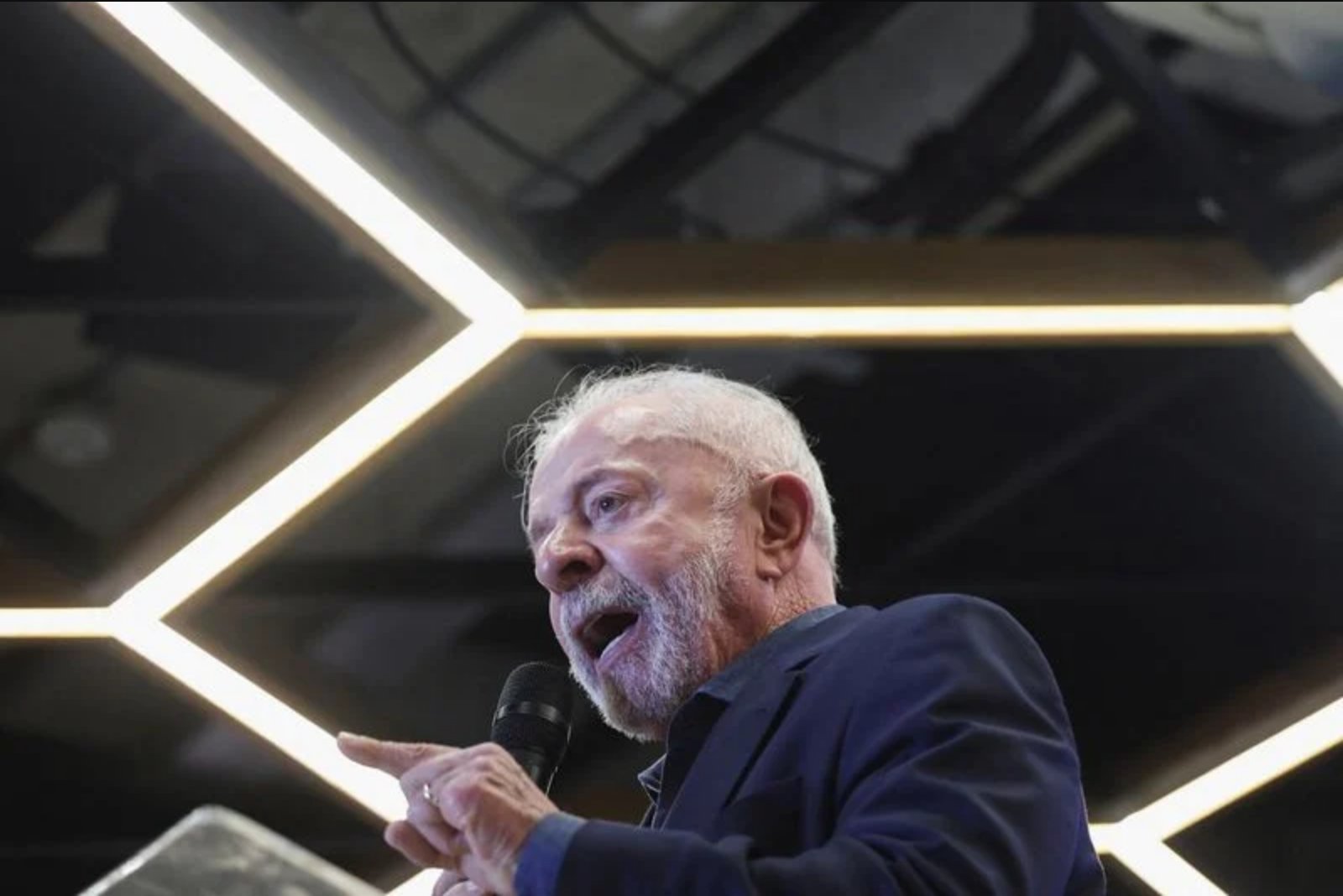
Brazilian President Luiz Inacio Lula da Silva acknowledged on Wednesday that U.S. President Donald Trump has the right to express an electoral preference in Brazil, but he warned his American counterpart to "stay out" of the South American nation’s campaign season.
Lula, who plans to seek reelection in October, issued the admonition shortly after Trump told reporters that Brazil had become "a little rough" and "dangerous politically." The U.S. president also said, "They play pretty tough, but nobody plays tougher than the United States." The comments were part of a pointed exchange between the two leaders during the final day of the G7 summit in Switzerland.
The back-and-forth comes as Lula faces Senator Flavio Bolsonaro in opinion polls. Flavio is the son of former President Jair Bolsonaro, a known Trump ally, who is currently living under house arrest after being convicted last year of plotting a coup following the 2022 election.
Recent diplomacy has included meetings between U.S. and Brazilian figures. The U.S. president met last month with Senator Flavio Bolsonaro and with Eduardo Bolsonaro, his brother, who is a former lawmaker living in the United States. Trump had also met with Lula a few weeks earlier.
On Tuesday, Brazil’s Supreme Court convicted Eduardo Bolsonaro of courting interference from the Trump administration in his father’s trial last year, a charge Eduardo denies. Reacting to that conviction, a spokesperson for the U.S. State Department characterized the ruling as part of a "pattern of persecution and lawfare by the Brazilian courts against their political opposition." The spokesperson added that "political debates should be settled by democratic elections, not by convictions."
The remarks and courtroom developments add to a series of high-profile interactions and legal decisions that have shaped the political environment ahead of the October vote. Lula’s direct appeal that Trump "stay out" underscores the Brazilian president’s stance that foreign powers should refrain from intervening in domestic electoral contests, even as foreign leaders express preferences or meet with key political figures.
The exchange between the two presidents occurred within the broader context of summit diplomacy in Switzerland, where leaders often face close scrutiny from the press and political opponents. Both the verbal jabs and the recent court ruling involving Eduardo Bolsonaro were publicly disclosed in statements and media remarks tied to those meetings and legal processes.
As the October election approaches, these interactions between U.S. and Brazilian actors - coupled with judicial rulings affecting prominent political figures - will remain part of the public record and the immediate political conversation.