
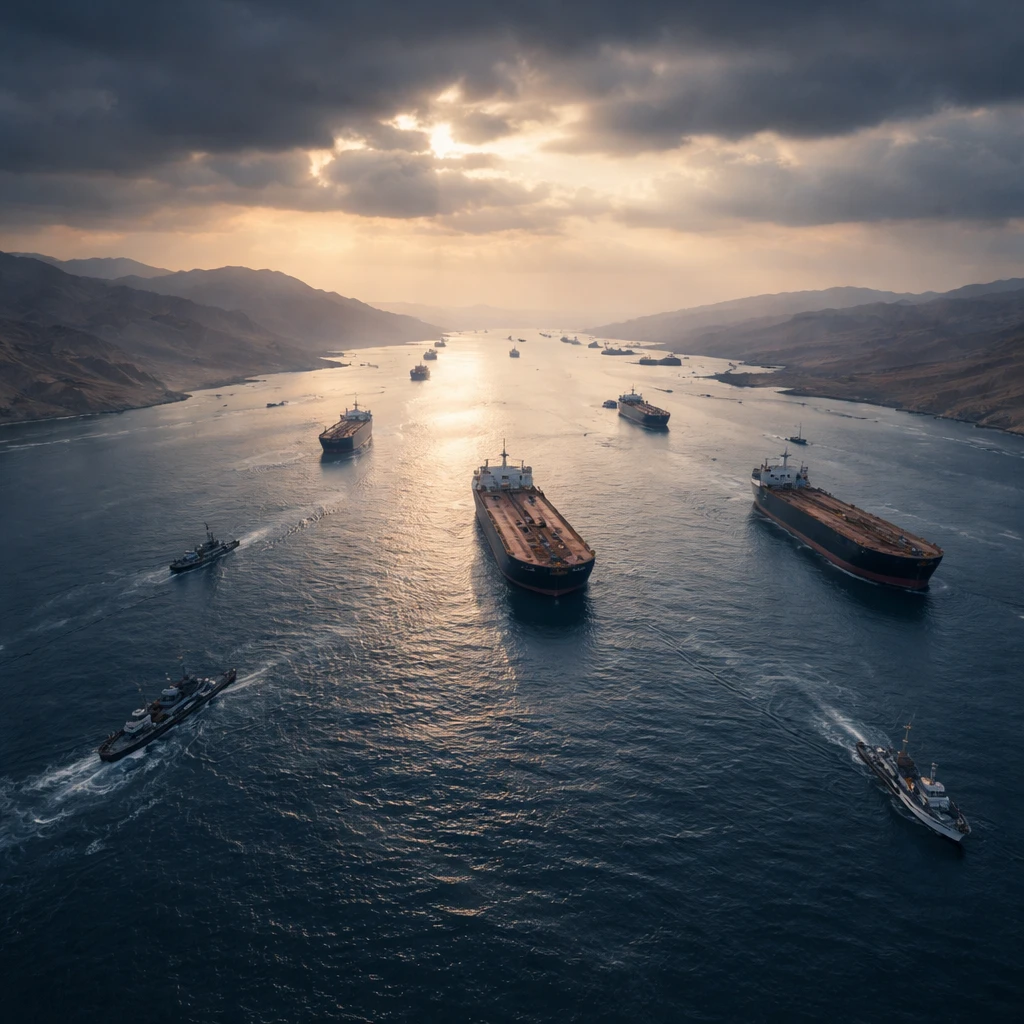
International Energy Agency (IEA) Executive Director Fatih Birol on Thursday welcomed an interim deal intended to conclude the Iran war and urged that the Strait of Hormuz be reopened "without conditions." Speaking at an event in Istanbul, Birol described the agreement as a hopeful step for energy markets while flagging lingering vulnerabilities.
Birol said several countries are re-examining their energy policies because the episode underlined the possibility that the strait could be closed again - a scenario made real when Iran shut the waterway during the conflict. He said the IEA plans to discuss new strategic responses with multiple governments in light of the crisis, which has altered the global energy map.
"Trust" is critical in global energy markets, where prices have fallen since the peace deal, Birol added.
The interim agreement, as described by Birol at the event, includes Tehran reopening the Strait of Hormuz and the United States lifting its naval blockade of Iran. Those provisions could end what the IEA has described as the largest oil supply disruption in history.
On the need for a clear and unconditional reopening of the waterway, Birol said the strait must be reopened "without conditions" so that all parties "believe it is safe." He noted that the immediate focus will shift to parsing the agreement and following the negotiation process to understand next steps: "We will now see the details of the agreement and the negotiation process, and what happens next."
Birol used a vivid metaphor to convey the psychological impact of the closure: "The vase is broken," he said. "Now all actors know that the Strait of Hormuz was closed once and it can be shut down again." The remark underlined a persistent credibility challenge in energy security despite the ceasefire framework.
The Iran war began with U.S.-Israeli strikes on the country on February 28. The IEA estimates that the conflict blocked more than 14 million barrels per day of Middle East oil output, a volume the agency has characterized as the largest disruption to oil supplies on record.
As officials and market participants absorb the interim deal, the IEA's emphasis is on rebuilding confidence across shipping lanes and supply chains while preparing policy shifts that account for the risk that the strait could again be used as a lever in future crises.