
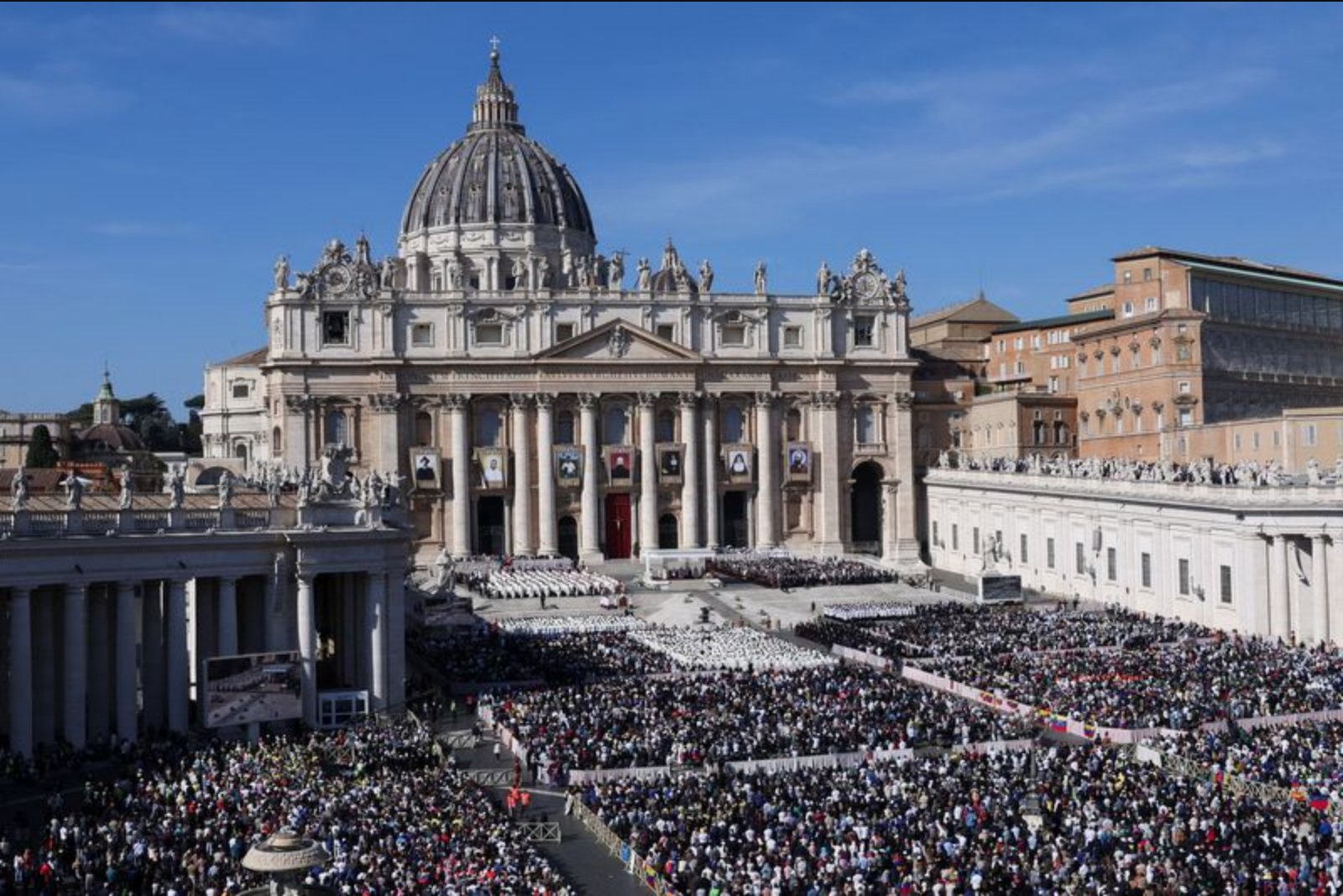
Cardinal Pietro Parolin, the Vatican's chief diplomat, said on Tuesday that the Holy See will not take part in U.S. President Donald Trump's proposed "Board of Peace" initiative, arguing that such crisis management efforts should primarily be the responsibility of the United Nations.
Parolin described the board as having a "particular nature, which is evidently not that of other States," and made clear the Holy See's decision not to participate. He added that one key concern is that, at the international level, crisis situations should above all be managed by the UN, "This is one of the points on which we have insisted," he said.
The board was created under a Trump plan related to Gaza that helped produce a fragile ceasefire in October. Under that plan the board was intended to oversee temporary governance arrangements in Gaza. Trump later said the board - with him as chair - would be broadened in scope to address global conflicts.
The first meeting of the board is scheduled to take place in Washington on Thursday, with a primary agenda item being Gaza's reconstruction. Italy and the European Union have indicated that their representatives plan to attend the Washington meeting as observers; both have not formally joined the board.
Reports and commentary from rights experts and analysts have raised concerns about the structure and membership of the board. Many rights experts have argued that having the U.S. president oversee a panel charged with supervising the affairs of a foreign territory resembled a colonial model. The new board, launched last month, has also been criticized for the absence of a Palestinian representative.
Countries have responded cautiously to President Trump's invitation to join. The article notes that some of Washington's Middle Eastern allies have agreed to participate, while Western allies have so far refrained from joining the initiative.
The Gaza truce associated with the board has been repeatedly violated since it began in October. Since the truce took effect, hundreds of Palestinians and four Israeli soldiers have been reported killed. The piece states that Israel's assault on Gaza has resulted in more than 72,000 fatalities, created a hunger crisis and internally displaced Gaza's entire population.
Multiple rights experts, scholars and a U.N. inquiry have concluded that the events amount to genocide, according to the account presented. Israel characterizes its military actions as self-defense after a late 2023 Hamas-led attack in which 1,200 people were killed and over 250 hostages were taken. The article also notes that Pope Leo, described as the first U.S. pope and a critic of some of Trump's policies, was invited to join the board in January and has repeatedly decried conditions in Gaza.
The Vatican, which has an extensive diplomatic service and is a permanent observer at the United Nations, rarely accepts invitations to join international boards, and the pope seldom participates directly in such bodies.
Context and implications
The Holy See's refusal underscores tensions around the structure and legitimacy of the Board of Peace. Parolin's emphasis on the UN's central role highlights a broader debate over which international institutions should lead conflict resolution and post-conflict governance. The board's composition, the exclusion of a Palestinian representative and mixed responses from U.S. allies feed into concerns about legitimacy and effectiveness.