
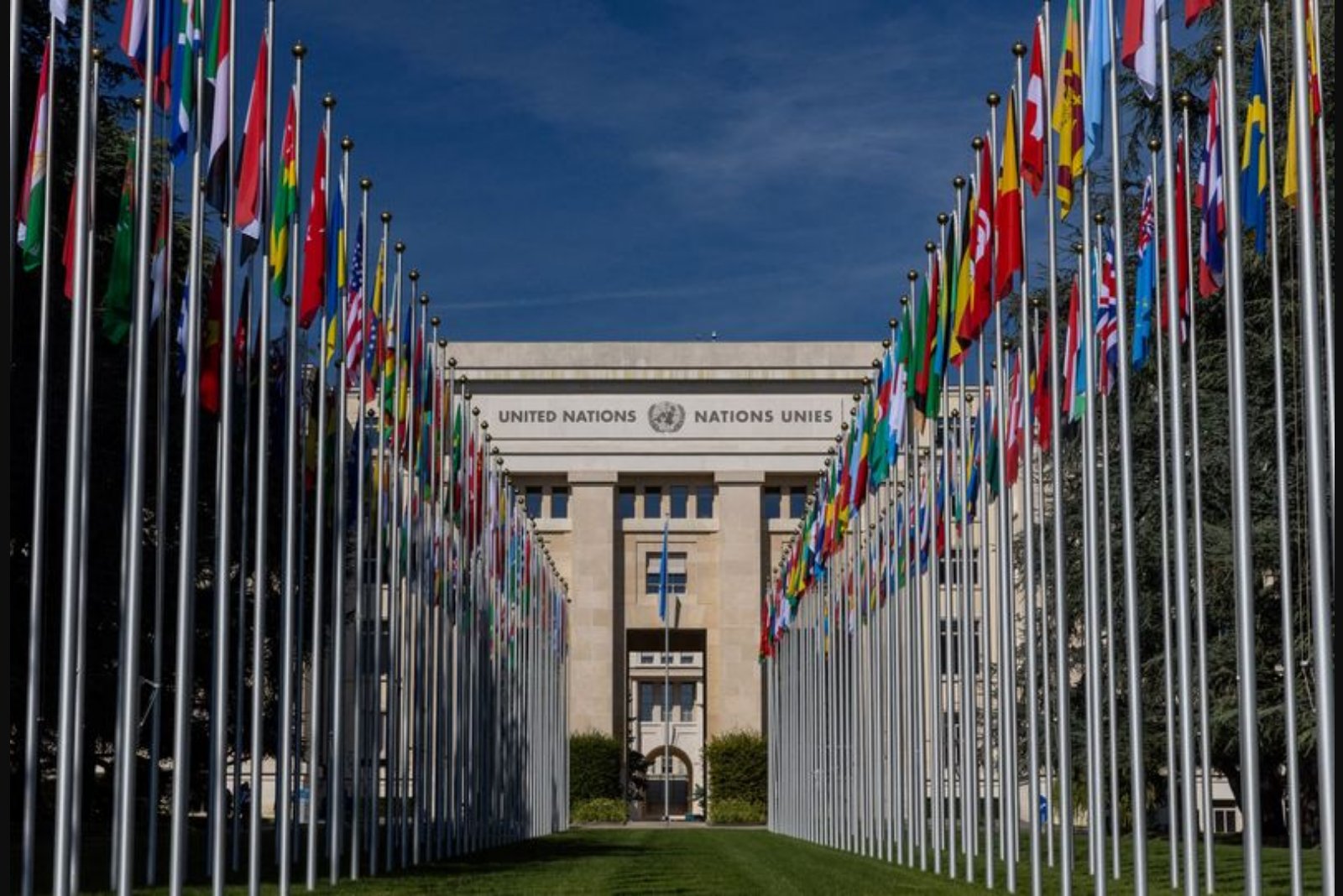
The United States has put forward a nominee for the vacant U.S. ambassador post to the United Nations in Geneva, a development that diplomats said could indicate Washington intends to re-engage with the international body.
The White House announced late on Wednesday that Todd Steggerda, a lawyer and former U.S. Navy pilot from Virginia, has been selected for the Geneva envoy position, subject to confirmation by the U.S. Senate.
Diplomats and analysts based in Geneva reacted to the nomination as a potentially positive signal. "A senior appointment into the U.N. system could be a good sign that they are engaging," said Adam Day, head of the Geneva office of the U.N. University Centre for Policy Research. A Western diplomat added, "At least the U.S. will listen now."
The nomination comes against a backdrop of strained relations between Washington and parts of the U.N. framework. U.S. President Donald Trump has praised the U.N. as having "great potential" while simultaneously criticising the organisation for not supporting U.S.-led peace initiatives and for launching a board of peace that some fear could be a rival to the global body.
Financial tensions are also a factor. The United States currently owes the U.N. core budget more than $2 billion. Officials have said the U.S. will make a down payment on that debt while continuing to press for reforms within the organisation.
The administration’s approach to international institutions has included a broader pattern of withdrawal. In January, the president announced U.S. withdrawal from dozens of international organisations and U.N. entities on the grounds that they operated contrary to U.S. national interests. That same month the U.S. formally left the Geneva-based World Health Organization. A year ago the U.S. disengaged from the U.N. Human Rights Council.
Despite these withdrawals, Washington has maintained activity in some Geneva-based U.N. agencies that influence standards for businesses, indicating selective engagement with parts of the U.N. system.
Traditionally, the United States assigns four ambassadorial posts to Geneva. Since President Trump took office, however, only one of those positions has been filled - the World Trade Organization envoy Joseph Barloon - leaving other posts unoccupied until this latest nomination.
Context and next steps
The nominee’s appointment remains subject to Senate approval, and further developments will depend on that confirmation process and on follow-through regarding U.S. commitments to U.N. funding and reform talks. Diplomats in Geneva say the senior appointment could reopen lines of dialogue that have been quieter since the administration’s announced withdrawals from multiple international bodies.