
On Feb 19, a Palestinian committee backed by the United States announced the opening of recruitment for a police force to serve in the Gaza Strip, marking a concrete step in preparations for a new administrative arrangement for the enclave.
The National Committee for the Administration of Gaza - known as NCAG - published a statement on the social platform X saying the recruitment process "is open to qualified men and women who wish to serve in the police force." The announcement included a link to an application site where the criteria are listed: applicants must be residents of Gaza, aged 18-35, have no criminal record, and be in good physical condition.
The recruitment push comes just days before the inaugural meeting of President Donald Trump's Board of Peace in Washington, where the U.S. administration is expected to unveil a multi-billion-dollar reconstruction plan for Gaza and to outline the structure and mandate of a proposed U.N.-authorized stabilization force for the territory.
Establishing effective security in Gaza is among the most formidable challenges facing the plan. NCAG's statement paid tribute to the police officers who "continued to serve their people amidst the bombardment, displacement, and exceptionally difficult circumstances," but it stopped short of clarifying whether members of the existing Gazan police, which has operated under Hamas control, will be eligible for integration into the new force.
Previous reporting indicated that the Islamist movement Hamas has sought to incorporate its roughly 10,000 police officers into any new U.S.-backed Palestinian administration for Gaza. Hamas governed the territory before the outbreak of war following its October 7, 2023 attack on Israel, and it has resumed elements of administration despite Israel's stated goal to destroy the group.
Current control on the ground is divided. Following an October ceasefire arrangement brokered by President Trump, Hamas retains control of just under half of Gaza, while Israeli forces occupy just over 50% of the territory. Two major unresolved issues identified by planners are Israeli withdrawal from occupied portions and the disarmament of Hamas - both cited as major stumbling blocks to implementing the proposed governance and security transitions.
The broader transition plan, described as a 20-point framework to end the war and now entering its second phase, calls for governance of the strip to be transferred to NCAG. The committee is intended to be an administrative body that excludes Hamas from formal governance roles.
When asked about handing over authority, a Hamas spokesperson said the group was prepared to transfer governance to the 15-member NCAG and its chair, Ali Shaath, without delay. The spokesperson stated: "We (have) full confidence that it will operate on the basis of benefiting from qualified personnel and not wasting the rights of anyone who worked during the previous period," referring specifically to the inclusion of more than 40,000 civil servants and security personnel who served under the previous administration.
NCAG and Hamas did not issue an immediate response to follow-up requests for clarification on whether current police officers would be absorbed into the new force. Israel, for its part, has firmly rejected any role for Hamas in Gaza's future governance.
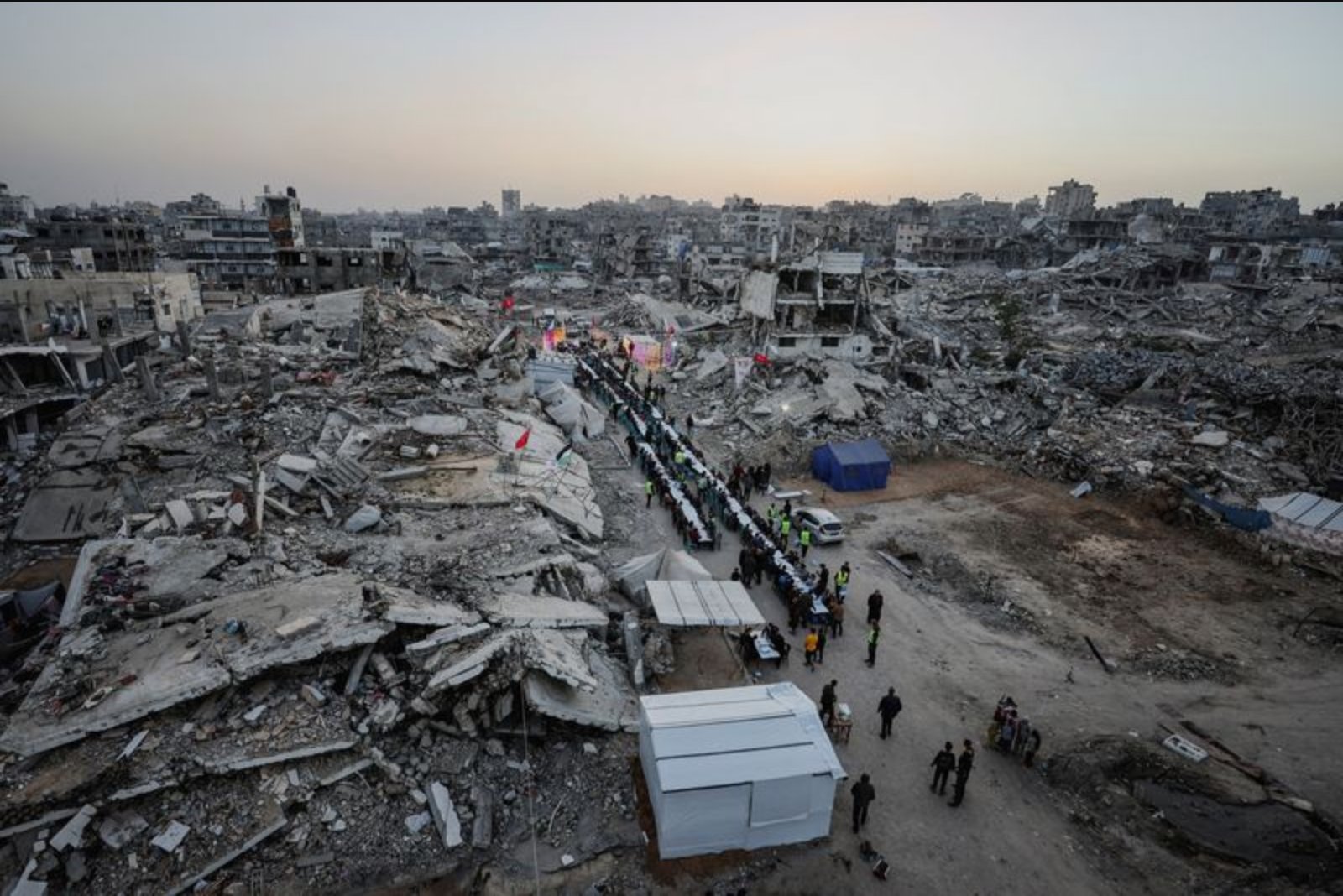
Human and material losses in Gaza remain vast. Local health authorities report that more than 72,000 Palestinians have been killed during over two years of an Israeli military campaign that has left large parts of the strip in ruins. The October 7, 2023 attack by Hamas-led militants on Israel resulted in the deaths of 1,200 people and the taking of over 250 hostages, according to Israeli tallies.
Against this backdrop, the NCAG's recruitment announcement is a practical step toward building an institutional security presence intended to support reconstruction and stabilization efforts. Yet the announcement also underscores unanswered questions about personnel integration, the role of existing security actors, and how territorial control and disarmament will be negotiated by the involved parties.
Context and next steps
The coming days are likely to see heightened attention on Washington's plans for Gaza as the Board of Peace convenes and the U.S. outlines both the financial architecture for reconstruction and operational details for a stabilization force authorized by the U.N. How the NCAG's recruitment effort interfaces with decisions made in Washington will determine the pace at which policing, governance, and reconstruction can proceed.