
Overview
An independent UN fact-finding team has determined that the assault on the western Sudanese city of al-Fashir by the Rapid Support Forces (RSF) displayed hallmarks that point to genocide. The mission's report, released on Thursday, details a campaign of mass killings, sexual violence and other abuses that accompanied the RSF's takeover of the city at the end of October last year.
Findings from the ground
The report recounts that the RSF's seizure of al-Fashir - the last remaining Sudanese Armed Forces (SAF) stronghold in the Darfur region - followed an 18-month siege. During that period, the mission says the RSF imposed living conditions calculated to bring about the physical destruction of non-Arab communities, with particular reference to the Zaghawa and the Fur.
Investigators documented a pattern of repeated and coordinated targeting of individuals on the basis of ethnicity, gender and perceived political ties. The catalogued abuses include mass killings, rape, torture, and the deliberate imposition of life-threatening conditions - acts the mission identifies as core elements of the crime of genocide under international law.
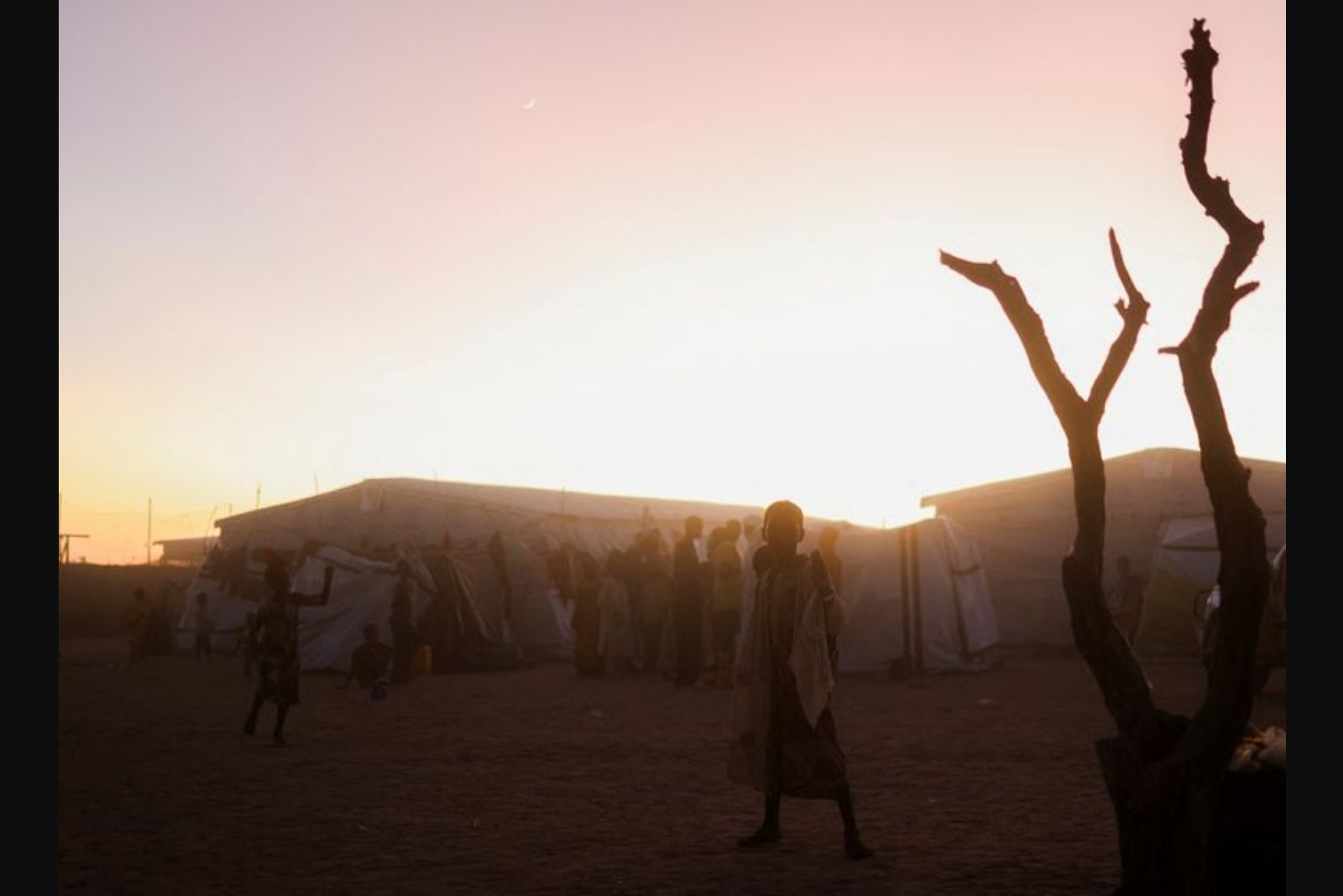
The mission reports that assaults extended beyond direct attacks on civilians. Displacement camps, communal kitchens and medical facilities were struck using drones and heavy weapons. Survivors recounted killings, widespread looting, beatings and sexual violence in al-Fashir during the three days of intense violence that followed the city's capture.
Evidence of intent and rhetoric
"The scale, coordination, and public endorsement of the operation by senior RSF leadership demonstrate that the crimes committed in and around al-Fashir were not random excesses of war," said Mohamad Chande Othman, Chair of the Fact-Finding Mission on Sudan. "They formed part of a planned and organized operation that bears the defining characteristics of genocide."
The report cites what it describes as the RSF's "exterminatory rhetoric" and direct threats reported by survivors. Witnesses recounted statements such as, 'Is there anyone Zaghawa among you? If we find Zaghawa, we will kill them all', which the mission says indicates an intent to destroy, in whole or in part, the Zaghawa and Fur communities.
Survivors gave accounts of point-blank executions and described scenes of bodies of men, women and children blocking roads. The report also records acts of sexual violence against women and girls from non-Arab communities, noting victims ranged in age from 7 to 70 years old and that rape and other forms of sexual violence, including whipping and forced nudity, were used.
Engagement and responses
The mission shared a final draft of its report with the Government of Sudan but did not receive any response. It also sought to meet with RSF leadership; the RSF did not respond to that request, according to the report. The RSF and SAF did not immediately respond to requests for comment.
The report notes that in the past the RSF has denied allegations of abuses, claiming such accounts were fabricated by opponents and sometimes making counter-accusations.
Mandate and next steps
The independent fact-finding mission was mandated by members of the UN Human Rights Council in November to urgently investigate recent violations and abuses under international law in and around al-Fashir. The report compiles witness testimony and other evidence to support its conclusions about the nature and scale of the violations documented.
Summary
An independent UN mission concluded that the RSF's conduct before and during its capture of al-Fashir shows patterns consistent with genocide, citing deliberate targeting of non-Arab communities such as the Zaghawa and Fur, mass killings, sexual violence, torture, and attacks on displacement camps and medical facilities. The mission shared its final draft with Sudan's government but received no reply, while RSF leadership did not engage with the investigators.
Key points
- The RSF captured al-Fashir at the end of October last year after an 18-month siege that the mission says imposed life-threatening conditions on non-Arab communities.
- Investigators documented a pattern of coordinated targeting based on ethnicity, gender and perceived political affiliation, including mass killings, rape, torture and attacks on displacement camps and medical facilities.
- The report highlights direct threats and public rhetoric attributed to RSF members that indicate intent to destroy communities such as the Zaghawa and Fur.
Sectors potentially impacted
- Humanitarian assistance and relief operations, due to documented attacks on displacement camps and essential services.
- Healthcare services and medical facilities in and around al-Fashir, given reported strikes on medical centers.
Risks and uncertainties
- The report's findings raise risks of further human rights violations and potential large-scale displacement, with implications for humanitarian operations in the Darfur region.
- There is uncertainty about accountability and follow-up: the Government of Sudan did not respond to the report's final draft, and RSF leadership did not meet with investigators, leaving questions about cooperation with potential investigations.