
Overview
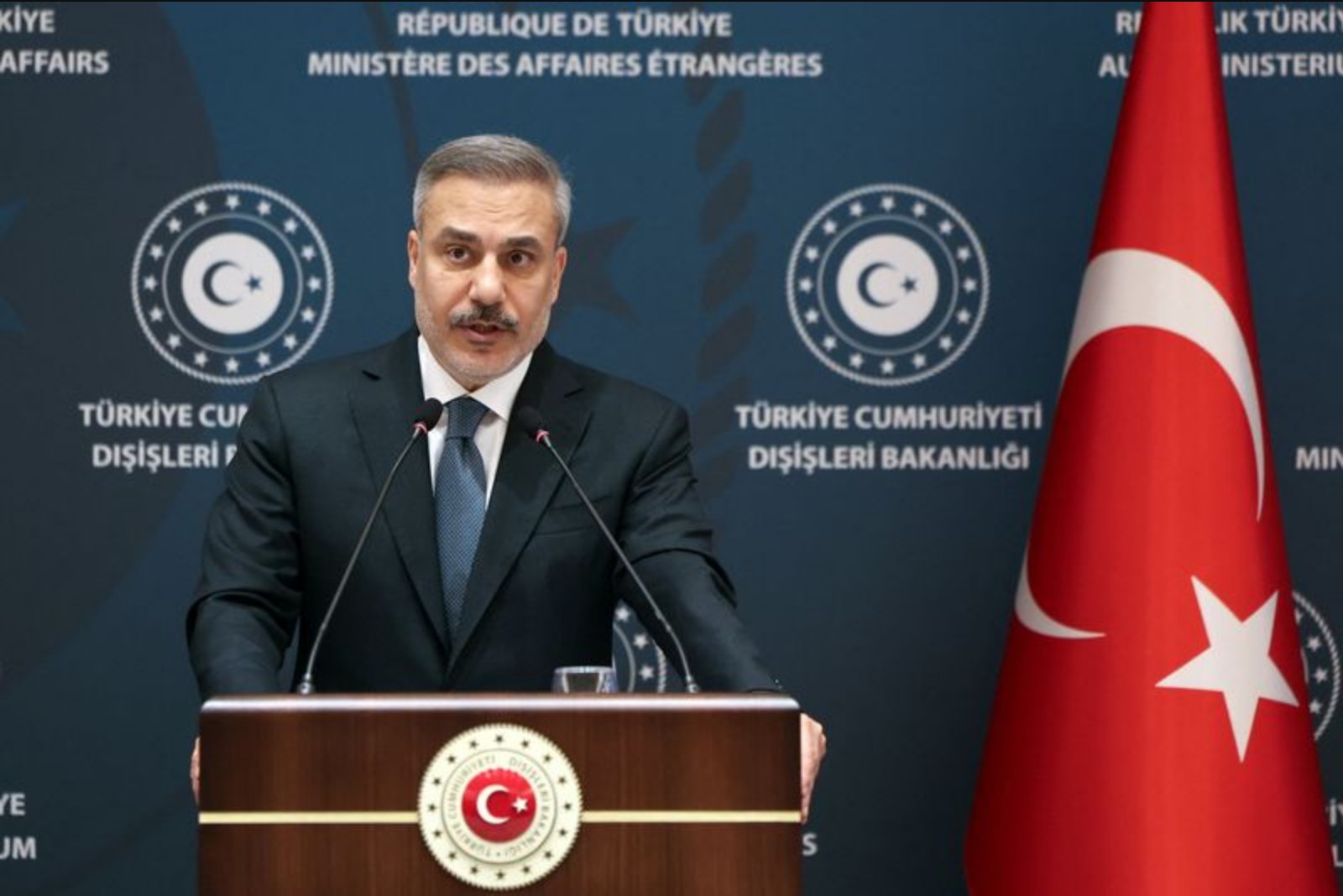
Turkey's foreign minister, Hakan Fidan, said in an interview with the Financial Times that both the United States and Iran are showing signs of flexibility in ongoing discussions over a potential nuclear deal. Fidan, who has engaged with officials from both Washington and Tehran during the diplomatic exchanges, characterised the apparent U.S. position as being prepared to tolerate Iranian enrichment - provided it occurs within clearly defined parameters.
Positions and mutual understanding
According to Fidan, the two sides have come to a pragmatic recognition of each other's constraints. He told the Financial Times that Iranians acknowledge the necessity of striking a deal with the Americans, and that U.S. negotiators understand Iran has certain limits that cannot be coerced. His remarks conveyed a sense that forceful demands to eliminate all contentious elements are unlikely to succeed.
Enrichment, inspections and prior arrangements
The diplomatic impasse has included a U.S. insistence that Iran surrender its stockpile of uranium enriched up to 60% fissile purity - a level short of the 90% threshold typically regarded as weapons grade. Iranian President Masoud Pezeshkian has reiterated that Iran will continue to press for the removal of financial sanctions and will maintain its claim to nuclear rights, including enrichment.
Fidan expressed the belief that Tehran genuinely seeks a substantive agreement and would accept limitations on enrichment levels together with a stringent inspection regime similar to the framework that existed under the 2015 accord between Iran, the U.S. and other parties.
Recent diplomatic activity and military tensions
U.S. and Iranian diplomats met through Omani intermediaries in Oman last week in an effort to rekindle negotiations. Those talks took place against a backdrop of elevated military posturing: President Donald Trump had positioned a naval flotilla in the region, contributing to concerns about potential military confrontation. Trump also stated he was considering dispatching a second aircraft carrier to the Middle East, even as both capitals prepared to resume diplomacy.
Warning on missile talks
Fidan cautioned that broadening the negotiating agenda to include ballistic missile issues would be counterproductive. He said such an expansion would deliver "nothing but another war," underscoring the Turkish view that missile discussions risk escalating tensions beyond the current nuclear-focused dialogue.
Official responses
The U.S. State Department and the White House did not provide comments outside regular business hours when requests were made for reaction to Fidan's statements.
Note: This report reflects statements made by the Turkish foreign minister and cited positions from Iranian and U.S. officials as described in his interview with the Financial Times. It does not introduce additional reporting beyond those accounts.