
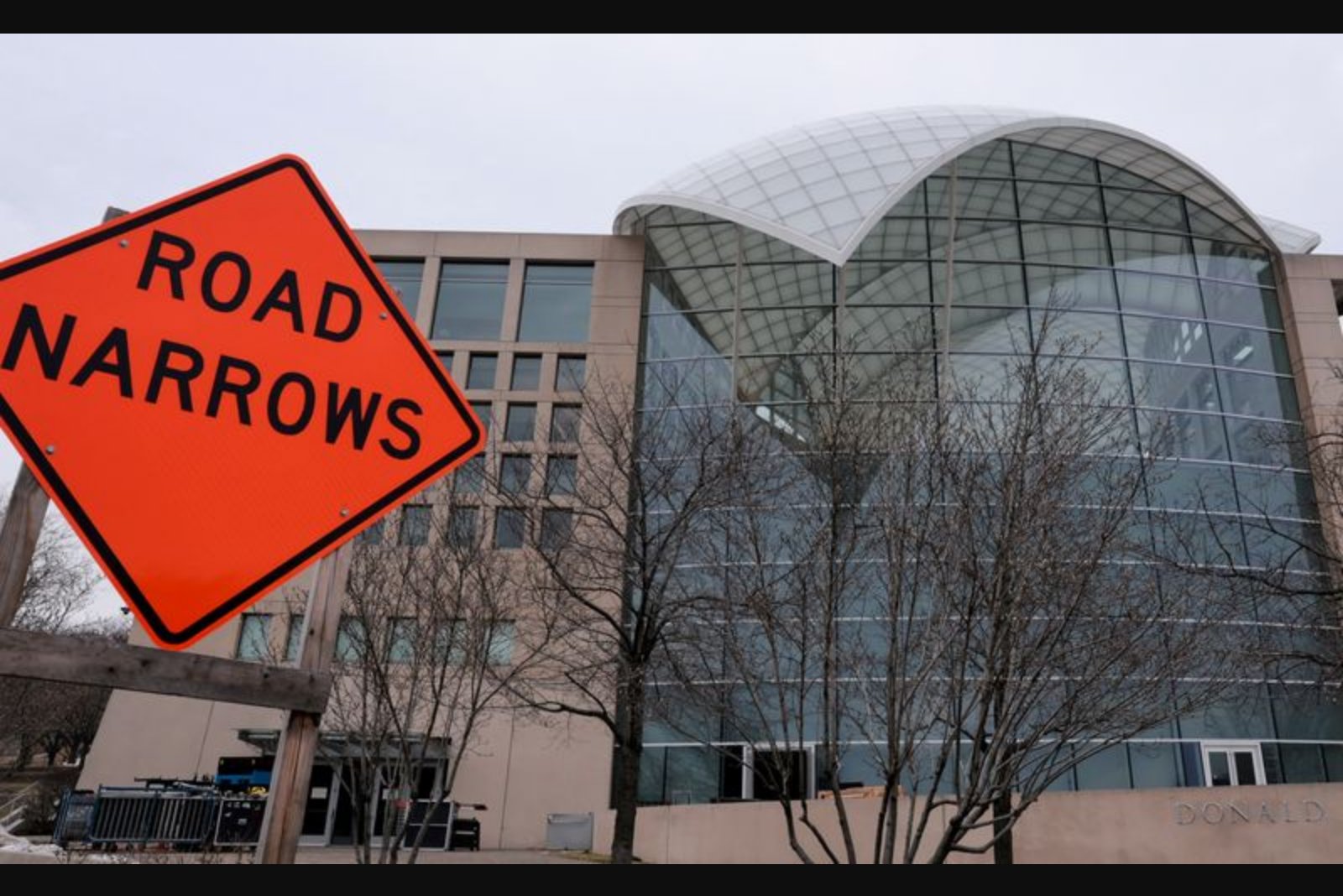
President Donald Trump is scheduled to preside over the inaugural meeting of his Board of Peace on Thursday, convening delegations from more than 45 nations to address reconstruction and stabilisation in Gaza. The event will take place at the Donald J. Trump U.S. Institute of Peace - a Washington building the president recently renamed for himself - and is expected to include an announcement that participating countries have pledged $5 billion toward a reconstruction fund.
U.S. officials say the announced $5 billion is intended as an initial contribution and likely represents only a down payment on what will be a much larger financing need. Included in that total are anticipated pledges of $1.2 billion each from two Gulf Arab partners, the United Arab Emirates and Kuwait, a U.S. official told reporters.
Yet several core issues that will test the practical utility of the Board of Peace remain unresolved. The disarmament of Hamas militants - a precondition for a proposed international stabilisation force to operate - is still a major obstacle. Officials expect the international force, which several nations have agreed to contribute thousands of troops to, will not deploy for weeks or months.
"We are under no illusions on the challenges regarding demilitarization, but we have been encouraged by what the mediators have reported back," a senior administration official said, underscoring the fragility of the arrangements that produced a ceasefire last October under the administration's 20-point Gaza plan.
Composition and controversy
The peace board's membership and mandate have been contentious. The body includes Israel but does not include Palestinian representatives, and the suggestion that the board could eventually broaden its remit beyond Gaza has prompted concerns that it might encroach on the United Nations' longstanding role as the principal venue for international diplomacy and conflict resolution.
U.S. officials have said the meeting will also spotlight plans for an International Stabilization Force intended to help keep the peace in Gaza. Disarming Hamas fighters remains the main sticking point for such a deployment, and the Palestinian group has been reluctant to surrender weapons amid fears of Israeli reprisals - a dynamic that has complicated progress since the ceasefire brought a fragile halt to the two-year Gaza war.
Attendance and speakers
Delegations representing 47 countries plus the European Union are expected to attend. The roster ranges widely, including Israel and nations from Albania to Vietnam, but notably excludes permanent members of the United Nations Security Council such as France, Britain, Russia and China.
Speakers anticipated at the event include the president, Secretary of State Marco Rubio, U.S. envoys Steve Witkoff and Jared Kushner, former British Prime Minister Tony Blair - who is expected to take a senior role on the board - U.S. Ambassador to the U.N. Mike Waltz, and High Representative for Gaza Nickolay Mladenov, among others.
Operational gaps and outstanding questions
Officials and participants acknowledge significant operational hurdles. A member of the peace board, speaking on condition of anonymity, warned that the Gaza plan faces "formidable obstacles." Establishing security within the enclave is widely viewed as a prerequisite for progress on rebuilding, yet local policing capacity is not ready and remains incompletely trained, the official said.
Another unresolved issue is identifying who would negotiate with Hamas. The board's representatives might engage nations perceived to have influence with Hamas - notably Qatar and Turkey - but Israel maintains strong skepticism about those potential interlocutors. The disagreement over appropriate negotiators further complicates any prospect for rapid demilitarization.
Humanitarian aid flows are also under strain. The anonymous board member described the current passage of aid into Gaza as "disastrous" and urged a rapid scale-up. Even if donor funds and supplies increase, it remains unclear who will be responsible for distributing aid on the ground.
The meeting is therefore likely to serve as both a financing milestone and an early test of whether an externally convened board - absent Palestinian representatives and with a membership that omits several major global powers - can resolve the knotty security, political and operational questions that will determine the success of reconstruction and stabilisation efforts in Gaza.