
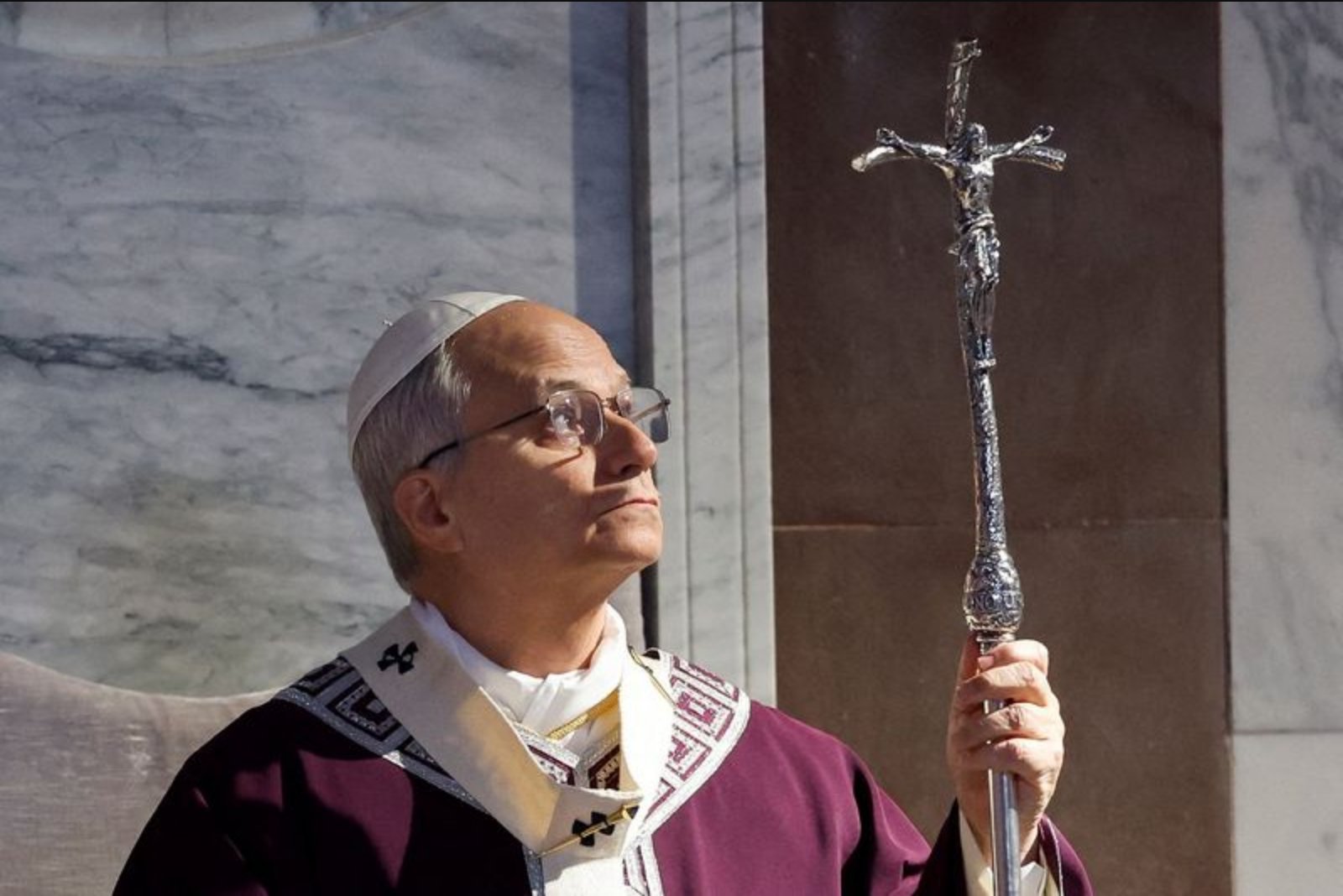
The Vatican announced on Thursday that Pope Leo, the first U.S. leader of the global Catholic Church, will travel to the Italian island of Lampedusa on July 4. The trip is part of a sequence of visits to cities across Italy planned for the summer.
Lampedusa, located in the Mediterranean between Tunisia, Malta and the larger Italian island of Sicily, has long been a principal first port of call for migrants sailing from North Africa to Europe. The island figures prominently among the routes regarded as some of the world’s deadliest for migrant crossings, where many people arrive aboard rudimentary fishing boats or improvised dinghies.
The timing of the visit places the pope on Lampedusa on the day the United States marks the 250th anniversary of its independence. Leo, who is originally from Chicago, has publicly urged "deep reflection" on how migrants are treated in the United States under President Donald Trump’s administration.
Earlier in the month the Vatican addressed speculation about a U.S. trip, issuing a clear statement that "The pope will not go to the United States in 2026." That pronouncement came amid widespread reporting and discussion about where the pope might travel for the July 4 commemorations.
The island of Lampedusa holds a particular resonance in recent papal diplomacy. The late Pope Francis visited the island in 2013 - his first trip outside Rome as pope - in a highly visible gesture drawing attention to the human cost of migration across the Mediterranean. In September, Pope Leo sent a video message to the island in which he expressed a wish to visit and offered his gratitude to local organizations that assist arriving migrants.
In that message he praised volunteers on Lampedusa, saying they "have shown … the smile and the attention of a human face to people who have survived in a desperate journey of hope." The Vatican’s latest travel schedule also lists other domestic visits: Pompei, Naples and Acerra in May; Pavia in June; and Assisi and Rimini in August.
The planned Lampedusa visit underlines the pope’s focus on migration as a humanitarian and pastoral issue. The announcement leaves intact the Vatican’s rejection of a U.S. trip in 2026 and frames the July 4 engagement as part of a broader series of pastoral visits within Italy during the summer months.