
World February 12, 2026

Mexican Aid Ships Arrive in Havana as Fuel Tensions Continue

Two Mexican-flagged vessels enter Havana Harbor carrying humanitarian supplies after Mexico paused fuel shipments under U.S. pressure

By Marcus Reed
Mexican Aid Ships Arrive in Havana as Fuel Tensions Continue

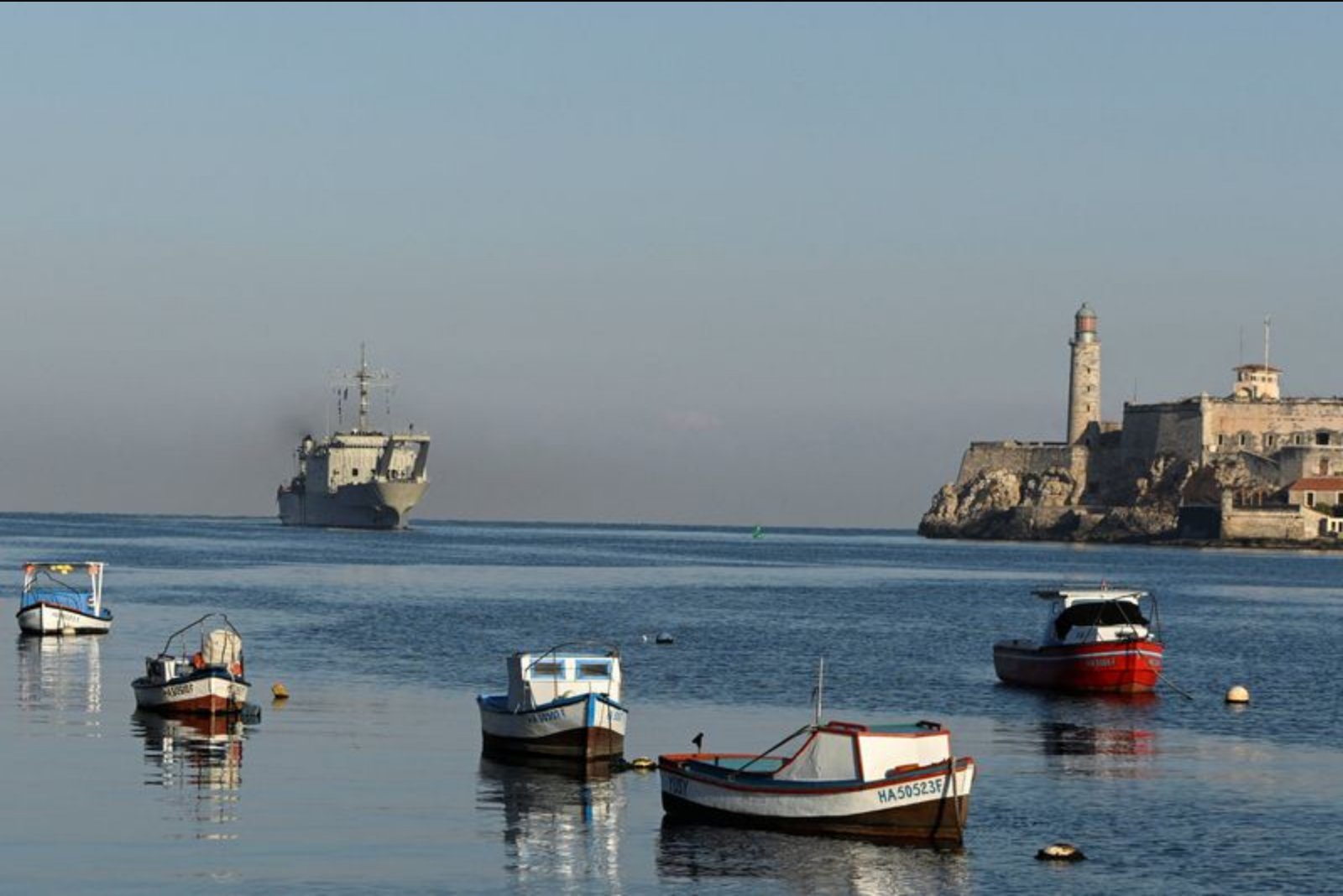
Two Mexican-flagged ships loaded with humanitarian aid entered Havana Harbor early on Feb. 12, with one vessel, the Papaloapan, seen carrying large stacks of white-wrapped pallets past the El Morro fortress. The delivery follows Mexico's mid-January halt of crude and refined product shipments under pressure from the Trump administration and comes as Cuba has tightened fuel rationing amid U.S. threats of tariffs on countries supplying oil to the island.

Key Points

  • Two Mexican-flagged ships entered Havana Harbor early on Feb. 12 carrying humanitarian aid; the Papaloapan was observed with large white-wrapped pallets on deck.
  • The delivery follows Mexico's mid-January halt of crude and refined product shipments to Cuba amid pressure from the Trump administration, and comes after Cuba announced stricter fuel rationing.
  • U.S. threats in January to impose tariffs on countries supplying oil to Cuba are part of the backdrop; Mexico has indicated a second aid shipment will arrive in the coming days - sectors affected include energy, shipping, and international trade.

Two Mexican-flagged vessels carrying humanitarian supplies entered Havana Harbor early on Feb. 12, a witness said, marking a delivery from Mexico after the government previously suspended crude and refined fuel shipments to the island.

The Papaloapan was observed with numerous white-wrapped pallets stacked on its deck as it passed beside the El Morro castle and moved into the calm waters of the harbor. A second Mexican-flagged ship arrived alongside it, and both moored in the quiet harbor.

The arrival comes days after Cuba's communist-run government announced stricter rationing measures aimed at coping with disruptions to its fuel supply. Washington in January announced it would impose tariffs on countries supplying oil to Cuba, saying the island represents an "extraordinary threat" to U.S. national security - a characterization that Havana rejects. In mid-January, Mexico halted shipments of crude and refined products to Cuba amid pressure from the Trump administration.

Residents gathered to watch the vessels enter. Ediberto Rodriguez, a 65-year-old Havana resident and state worker, praised Mexico's delivery, calling it an "unforgettable gesture." He said, "Mexico hasn’t abandoned us. Even with pressure from a global superpower (the United States), they weren’t afraid."

Mexican President Claudia Sheinbaum said on Wednesday that her government will send a second shipment of humanitarian aid to Cuba in the coming days. Details on the cargo beyond the visible white-wrapped pallets were not provided by observers at the harbor.

The timing of the delivery follows public measures by Cuban authorities to institute tighter rationing, which were announced as the island faces constraints linked to a reduction in fuel supplies. The U.S. announcement of possible tariffs on oil suppliers to Cuba in January and Mexico’s earlier suspension of energy shipments under external pressure are central elements in the broader context surrounding the aid arrival.


Note: Information about the ships, the visible cargo, the local reaction, the Mexican government statement about a subsequent shipment, Cuba's rationing announcement, and U.S. tariff threats are based on available on-the-ground observations and official statements referenced in reporting from the scene.

Risks

  • U.S. tariff threats on countries supplying oil to Cuba may deter or complicate future energy or maritime shipments to the island - impacting the energy and international shipping sectors.
  • Cuba’s increasing fuel rationing highlights an ongoing supply risk for domestic industries and logistics operations on the island.
  • Political pressure on supplier countries, as shown by Mexico’s earlier halt of fuel shipments, creates uncertainty for continued deliveries and humanitarian aid flows - with implications for trade and maritime service providers.

More from World

Kim Jong Un Reviews Five Years of 'Great Transformation' at Workers' Party Congress Feb 20, 2026 Catholic clergy regain access to Broadview immigration center, distribute ashes and communion after court order Feb 20, 2026 Congress Poised to Vote on Curtailing President’s Authority to Strike Iran as Military Prepares Feb 20, 2026 Tentative Agreement Reached to End Six-Week Nurses Strike in New York City Feb 20, 2026 Trump Says He Is Weighing a Limited Military Strike on Iran Feb 20, 2026