
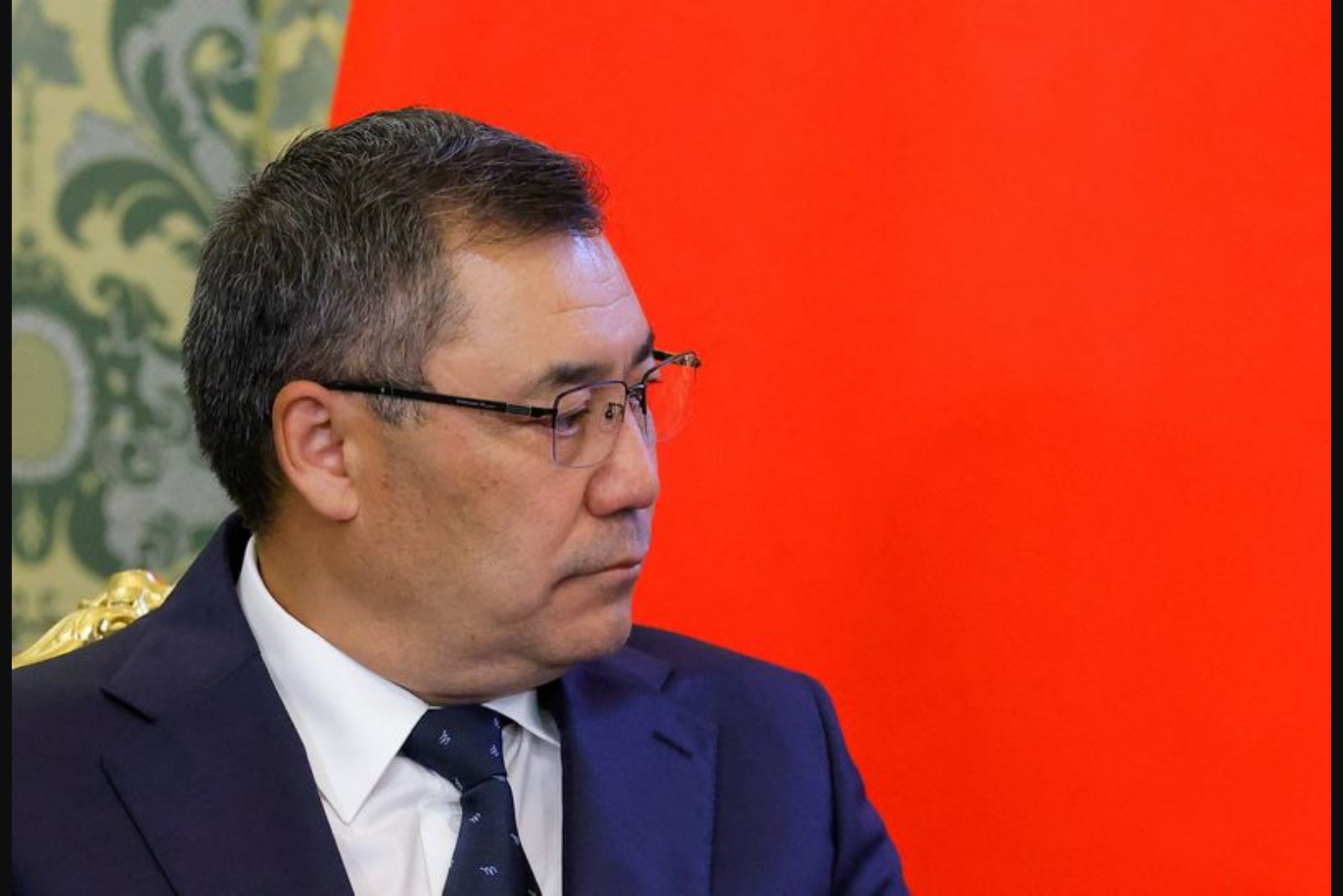
BISHKEK - Kyrgyzstan’s parliament speaker stepped down on Thursday while authorities detained several prominent backers of the country’s recently dismissed security chief, as President Sadyr Japarov moved to remove influential figures aligned with Kamchybek Tashiev.
The departing speaker, Nurlanbek Turgunbek uulu, had been regarded as a close associate of Tashiev, who until his removal on Tuesday was widely seen as the nation’s second most powerful official. For several years Japarov and Tashiev had effectively shared power, governing in tandem following their rise amid mass protests in 2020.
Detentions and institutional change
Kyrgyz authorities say they have arrested five prominent supporters of Tashiev on allegations they fomented disorder. At the same time, the government has enacted a rapid restructuring of the security services that Tashiev headed until his dismissal.
Allies of President Japarov contend that Tashiev’s removal was prompted by efforts from unspecified actors to create "divisions" within Kyrgyz society. Local media reported that Tashiev was receiving medical treatment in Germany at the time he was dismissed.
Tashiev described his ouster as "unexpected" and urged his supporters to obey the law and avoid destabilising the country.
Political fissure and stability concerns
The abrupt collapse of the partnership between Japarov and Tashiev - a partnership that had bridged the longstanding north-south political divide - raises the possibility of renewed instability in a country that has experienced street-driven removals of three presidents since 2005. During their joint tenure, the two leaders tightened controls on media freedom and political opposition, while supporters credited them with restoring stability and delivering rapid economic growth.
International scrutiny
Kyrgyzstan, a close ally of Russia, is facing heightened attention from Western powers that allege the country has been a facilitator of efforts by Russia to evade sanctions imposed over the war in Ukraine. The European Union last week proposed banning certain exports to Kyrgyzstan due to concerns about sanctions-busting.
The immediate future is defined by political realignment and institutional change as the Japarov administration consolidates control over security institutions and moves to isolate figures associated with Tashiev. Officials and observers now watch for the domestic and international consequences of this rapid reconfiguration.