
Overview
Iraq's foreign minister has confirmed that around 3,000 Islamic State detainees have so far been transferred from prisons in Syria into Iraqi detention facilities, and that the operation is still underway. Iraqi officials are engaged in discussions with a number of countries about repatriating their nationals, and have flagged the need for additional financial assistance to cope with the security and custodial burden.
Transfers and international coordination
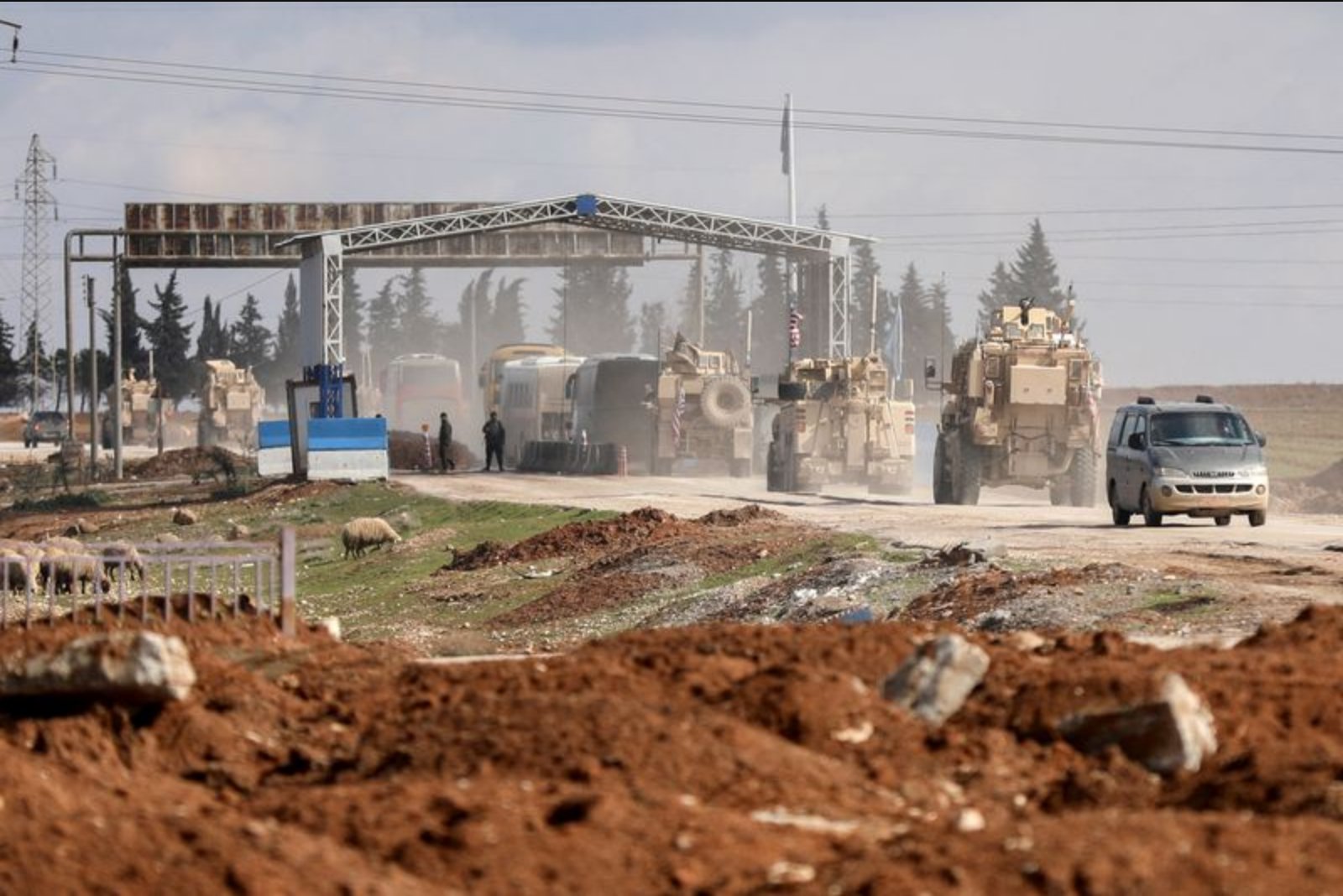
According to the foreign minister, the transfer process began earlier and continues. The U.S. military stated on January 21 that it had started moving detainees from northeast Syria and anticipated transferring about 7,000 fighters in total. The movement of detainees follows concerns about the stability of prisons and camps in areas previously guarded by the Kurdish-led Syrian Democratic Forces, after the rapid collapse of those forces in northeast Syria produced uncertainty about custodial arrangements.
Repatriation talks and legal concerns
Iraqi authorities have held discussions with several Arab and Muslim countries about accepting the return of their citizens detained as Islamic State fighters. The foreign minister noted that European governments have been more reluctant to repatriate their nationals, citing legal systems that could permit earlier release from custody under domestic law. Baghdad has emphasized that hosting large numbers of detainees for extended periods imposes both security risks and financial strains on the state.
Request for external support
The foreign minister said Iraq has begun requesting financial assistance from other countries to help manage the detainee population. He warned that leaving thousands of suspected militants in Iraqi prisons for prolonged periods could pose a serious security risk and that Iraq needs contributions from various countries to mitigate that danger.
Security concerns along the border
Iraqi officials also reported a recent increase in Islamic State activity in Syria close to the Iraqi border. The foreign minister linked the uptick to renewed conflict between Kurdish-led forces and the Syrian administration, noting that the fighting may have created conditions in which Islamic State elements have become more active. He said that many people in parts of Syria continue to adhere to the group's ideology, which compounds the security challenge faced by Iraq because the militants are operating across the border.
Political and military context
The foreign minister said Baghdad takes signals from the United States seriously but described the nomination of a former Iraqi prime minister to return to office as an internal political matter. He also reiterated that U.S. forces remain scheduled to depart Iraq by the end of 2026.
Key points
- About 3,000 Islamic State detainees have been transferred from Syria to Iraqi prisons so far; transfers are ongoing.
- Iraq is negotiating repatriation with some Arab and Muslim countries while noting European hesitancy due to legal frameworks that may permit earlier release.
- Baghdad is seeking international financial support to manage the detainee population and mitigate related security risks.
Risks and uncertainties
- Security risk - Increased Islamic State activity across the Syrian border could spill over and affect Iraqi border security and counterterrorism operations.
- Financial strain - Housing thousands of detainees may require sustained funding, impacting public finances and potentially diverting resources from other priorities.
- Legal and diplomatic uncertainty - Hesitation by some countries, particularly in Europe, to repatriate their nationals introduces legal and diplomatic complexity and could prolong detention in Iraq.
Note on scope - The article presents statements and positions expressed by Iraqi officials and the U.S. military as reported; it does not introduce additional facts beyond those remarks.