
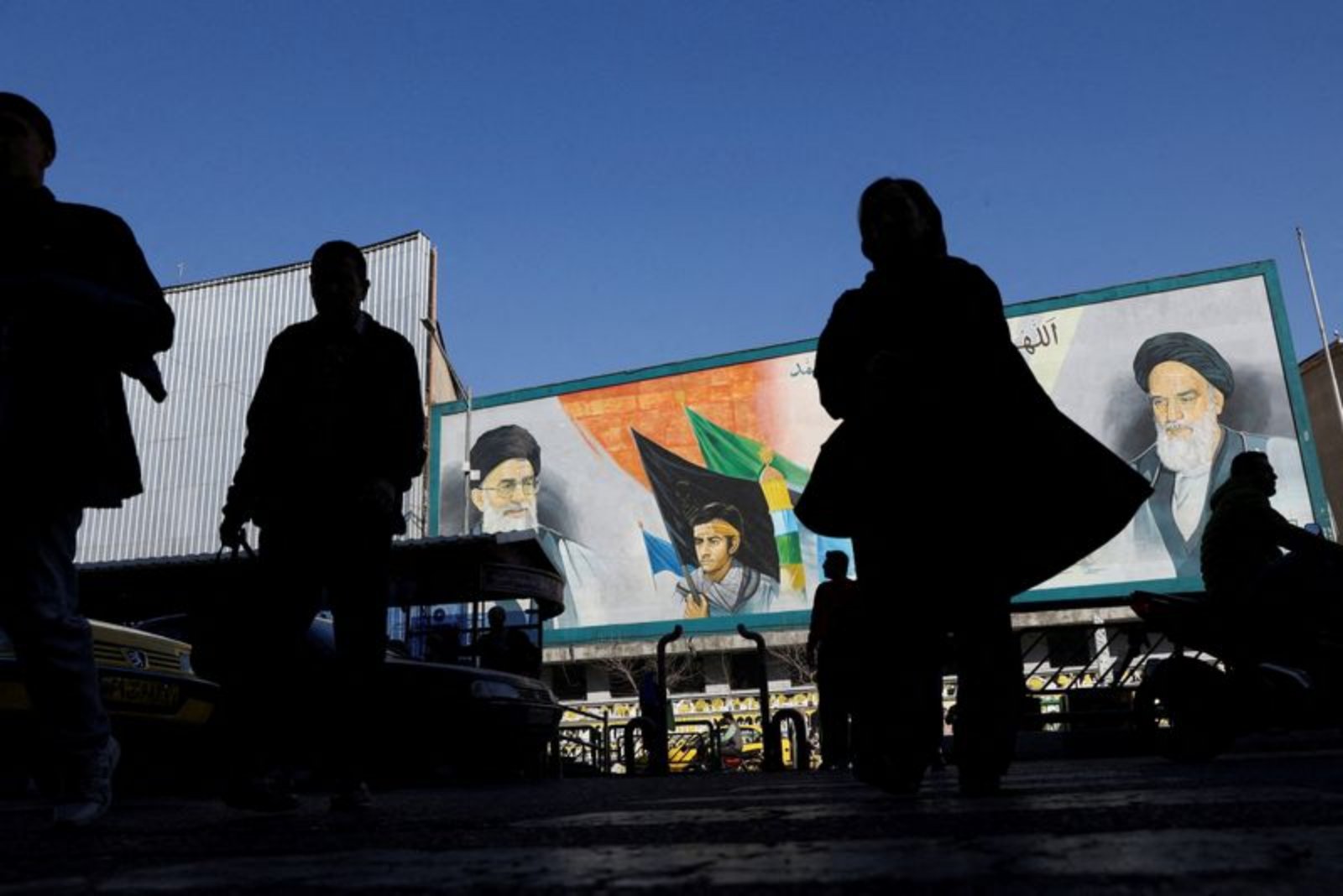
Across multiple Iranian cities this week, families and communities marked the traditional 40-day memorials for people killed during the most intense days of unrest in January. The gatherings, rooted in Shi’ite ritual practice, have at times morphed into renewed public displays of anger against the clerical leadership, prompting authorities to deploy security units to limit cemetery assemblies and to stage their own state-organised commemorations.
Officials apologised to "all those affected" by earlier violence while characterising much of the unrest as the work of "terrorists". They urged citizens to attend Chehelom ceremonies - the 40-day ritual - in mosques rather than in burial grounds. Rights activists and eyewitnesses said the effort to control the locations for mourning did not prevent families from conducting their own memorials in cemeteries and neighbourhoods.
"They tried to prevent history repeating itself by holding these ceremonies in mosques across the country. To prevent any gatherings of angry families in cemeteries, but they failed," said a rights activist who declined to be named for fear of retribution.
Security forces clash with mourners
Videos circulating on social media showed small memorials and larger gatherings taking place on Tuesday - 40 days after security forces conducted two days of widespread shooting during the January unrest that human rights groups say killed thousands of protesters. In some locations, the memorials expanded into broader anti-government demonstrations and were met with force.
In the Kurdish town of Abdanan in Ilam province, witnesses and activists reported that security personnel opened fire on a crowd of hundreds gathered at a cemetery. Videos show people running and scattering while gunfire is heard and mourners chant "Death to the dictator", a slogan directed at Iran’s Supreme Leader, Ayatollah Ali Khamenei. Journalists were able to verify that the footage was filmed at the cemetery; they were unable to confirm the exact date but found no versions posted online prior to Tuesday.
Hengaw, a Kurdish Iranian rights group, reported that at least three people were injured and nine were detained in Abdanan. Similar confrontations were reported in the cities of Mashhad and Hamedan. Sources within Iran said internet service was heavily restricted in those locations during the events.
40 days since the deadliest days
Wednesday marked the 40th day since the deadliest two days of the January unrest. Observers expected more commemorations to take place on that day; however, comprehensive reporting on the number and outcomes of those gatherings was constrained by continuing communications restrictions in parts of the country.
The unrest in January emerged from earlier, smaller economic protests in December by traders in Tehran’s Grand Bazaar and broadened into what many participants described as the most serious challenge to the theocratic system in decades. Protesters called for the resignation of the clerical rulers, and authorities responded by cutting internet access and detaining journalists, lawyers, activists, human rights advocates and students, according to rights groups.
Iranian officials told journalists that the country’s leadership fears a U.S. military strike could weaken their hold on power by intensifying public anger and generating further protests. That concern is set against broader grievances expressed by demonstrators, including repression, inequality, corruption and the state’s support for proxy groups abroad.
"How long can they kill people to stay in power? People are angry, people are frustrated," said Sara, 28, a government employee from the central city of Isfahan. "The Islamic Republic has brought nothing but war, economic misery and death to my country."
External pressure and domestic conditions
In recent weeks, the United States has positioned significant military assets in the region - including aircraft carriers, fighter jets and guided-missile destroyers - as a possible response if diplomatic efforts to constrain Iran’s nuclear programme and reduce the reach of its foreign proxies do not achieve desired results. Iranian officials have said the leadership is concerned that such a strike could exacerbate internal instability.
Even in the absence of direct military action, continued economic isolation under Western sanctions is likely to compound public dissatisfaction, according to critics, by deepening hardship and limiting economic prospects for many Iranians.
Echoes and differences with 1979
The current use of 40-day mourning rituals as moments for political expression recalls tactics employed during the 1979 anti-Shah revolution, when Shi’ite processions and the mobilisation of workers and bazaar merchants helped to topple the monarchy. Observers note that, this time, there have been no verified reports of comparable large-scale strikes by oil workers or financial backing from bazaar merchants.
Nevertheless, protesters have adopted some small-scale techniques seen in the past: chanting slogans such as "Allah is great" and "Death to the dictator", including from rooftops during nightly demonstrations, as reported by witnesses and in social media posts. Those patterns underline how traditional rituals and informal tactics can intersect with modern protest movements even when broader organisational levers are not apparent.
Communications and accountability
Restrictions on internet and mobile communications in several cities have made it difficult to ascertain the full scope of memorial gatherings, the number of attendees, and the toll of arrests and injuries. Human rights groups continue to document arrests and detentions across a range of professional groups, including legal and media figures, while activists on the ground relay accounts of clashes and detentions under constrained information conditions.
As more 40-day commemorations pass, the balance between state-managed ceremonies and independent mourning rituals will be a key indicator of whether localized memorials continue to catalyse broader protest activity or whether the authorities succeed in channeling public grieving into controlled settings.