
Overview
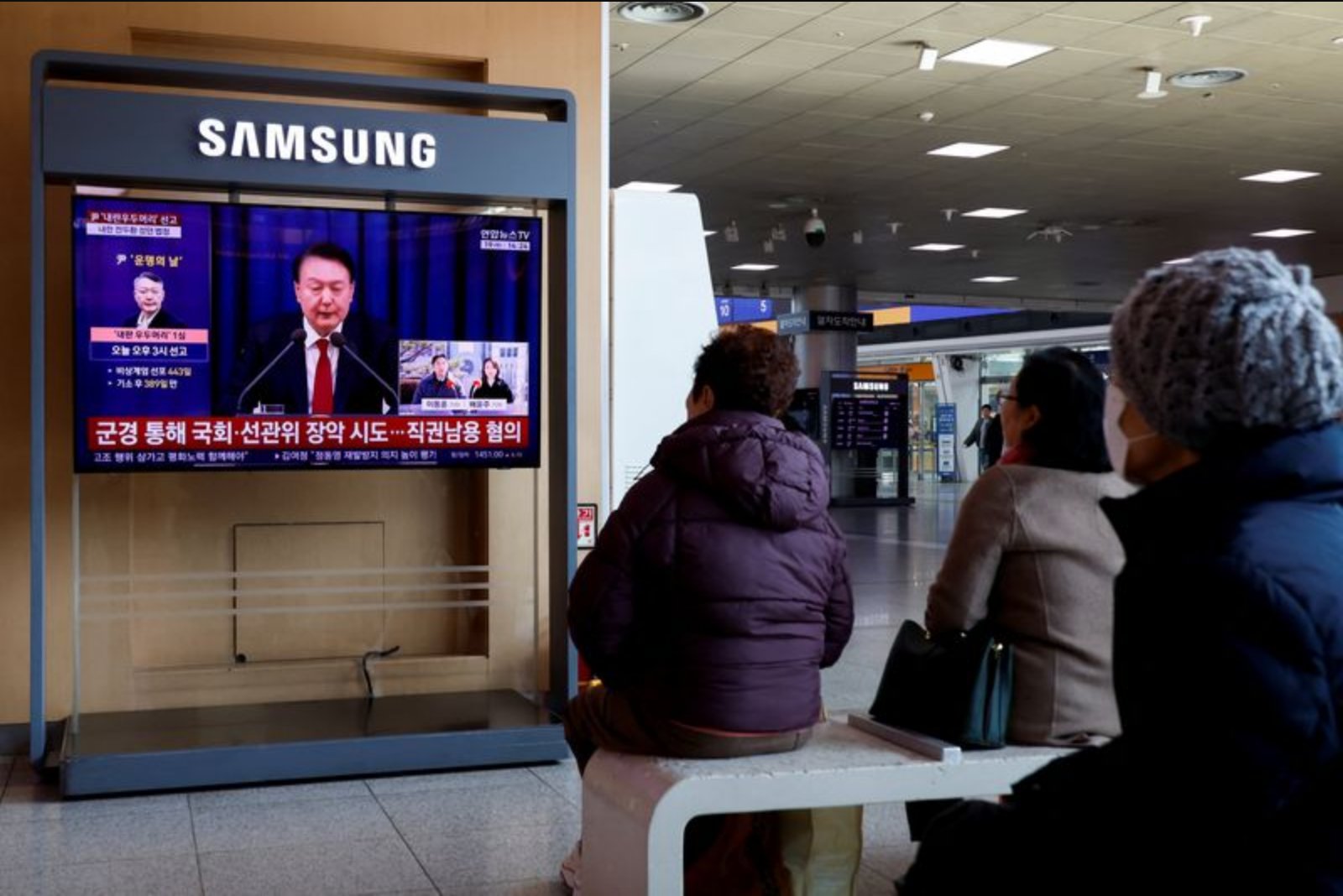
A South Korean court handed former president Yoon Suk Yeol a life sentence on charges that he masterminded an insurrection when he declared martial law in December 2024. Prosecutors had sought the death penalty, arguing there were no legal grounds for the declaration and for ordering troops to detain lawmakers. The court ruling follows a sequence of legal actions against Yoon since the Constitutional Court removed him from office in April last year, ending his presidential immunity and exposing him to multiple criminal trials.
Insurrection trial
The Seoul Central District Court found Yoon guilty of leading an insurrection tied to the surprise martial law declaration that, according to court records, lasted roughly six hours. Prosecutors had argued that the declaration and related orders to deploy troops to detain lawmakers amounted to an attempt to overturn constitutional order. Yoon has denied the accusation, maintaining that his intent with the martial law declaration was to protect liberal democracy.
Following the sentence, Yoon, who has been held at the Seoul Detention Centre, is expected to be returned to his cell. His legal representatives have said they will confer on the possibility of an appeal. In the same verdict, a lower court imposed a 30-year prison term on Yoon's former defence minister, Kim Yong-hyun, for alleged insurrection and abuse of power; prosecutors had sought a life sentence for Kim. Former senior police officials implicated in the case also received jail terms.
Martial law-related proceedings and detention timeline
Yoon's arrest history since the martial law incident has been complex. On January 15, 2025, he became the first sitting South Korean president to be arrested following a protracted confrontation with law enforcement. A court later cancelled his arrest warrant on March 8, citing concerns about the timing of the indictment and questions about the legality of the investigative steps at that stage, and he was released.
He was returned to detention on July 10 after a court approved a detention warrant sought by a special prosecution team that had been formed to examine further allegations. Earlier, in January, he received a five-year prison term in a separate trial that included charges that he obstructed authorities' attempts to arrest him by using presidential security service personnel. Yoon has denied those charges and has appealed the conviction.
Additional allegations and pending trials
Beyond the insurrection conviction and the five-year sentence in the separate case, Yoon faces a set of other criminal charges. Prosecutors and the special counsel have accused him of attempting to provoke North Korea into armed aggression to create justification for his martial law declaration and to remove political opponents - an allegation announced by the special counsel team assembled after the new president took office in June.
Other charges pending against Yoon include perjury connected to testimony he gave during a trial involving his former prime minister, and a breach of the Political Funds Act tied to a power broker associated with his wife, former first lady Kim Keon Hee. He is also accused of abuse of authority and obstruction of exercise of due rights over claims that military officials and the presidential office interfered in an internal inquiry into the 2023 death of a marine. Yoon has denied all of these allegations.
Current legal status
With presidential immunity removed, Yoon faces eight separate trial proceedings covering the martial law declaration and related conduct, as well as additional discrete charges. The outcomes of these trials, and any appeals, will determine his long-term legal status. As of the latest ruling, the life sentence for insurrection is in place, and Yoon remains in custody pending further legal actions.
What remains uncertain
Court decisions in some cases have already shifted; for example, an earlier arrest warrant was cancelled due to procedural and legal questions. Other elements remain unresolved, including how additional trials will proceed and whether sentences already imposed will be upheld on appeal.