
WASHINGTON, Feb 13 - Democratic lawmakers voiced strong objections after the Trump administration put on hold several proposed technology-security measures aimed at China, saying the decisions jeopardize U.S. national security as the two countries prepare for an April summit between their leaders.
The set-aside measures identified by lawmakers include a proposed ban on China Telecom operating in the United States and restrictions on sales of Chinese-made equipment destined for American data centers. Also on the list were suggested prohibitions on domestic sales of routers manufactured by TP-Link and potential bans on the U.S. internet operations of China Unicom and China Mobile. Another deferred restriction would have barred the sale of Chinese-made electric trucks and buses in the United States.
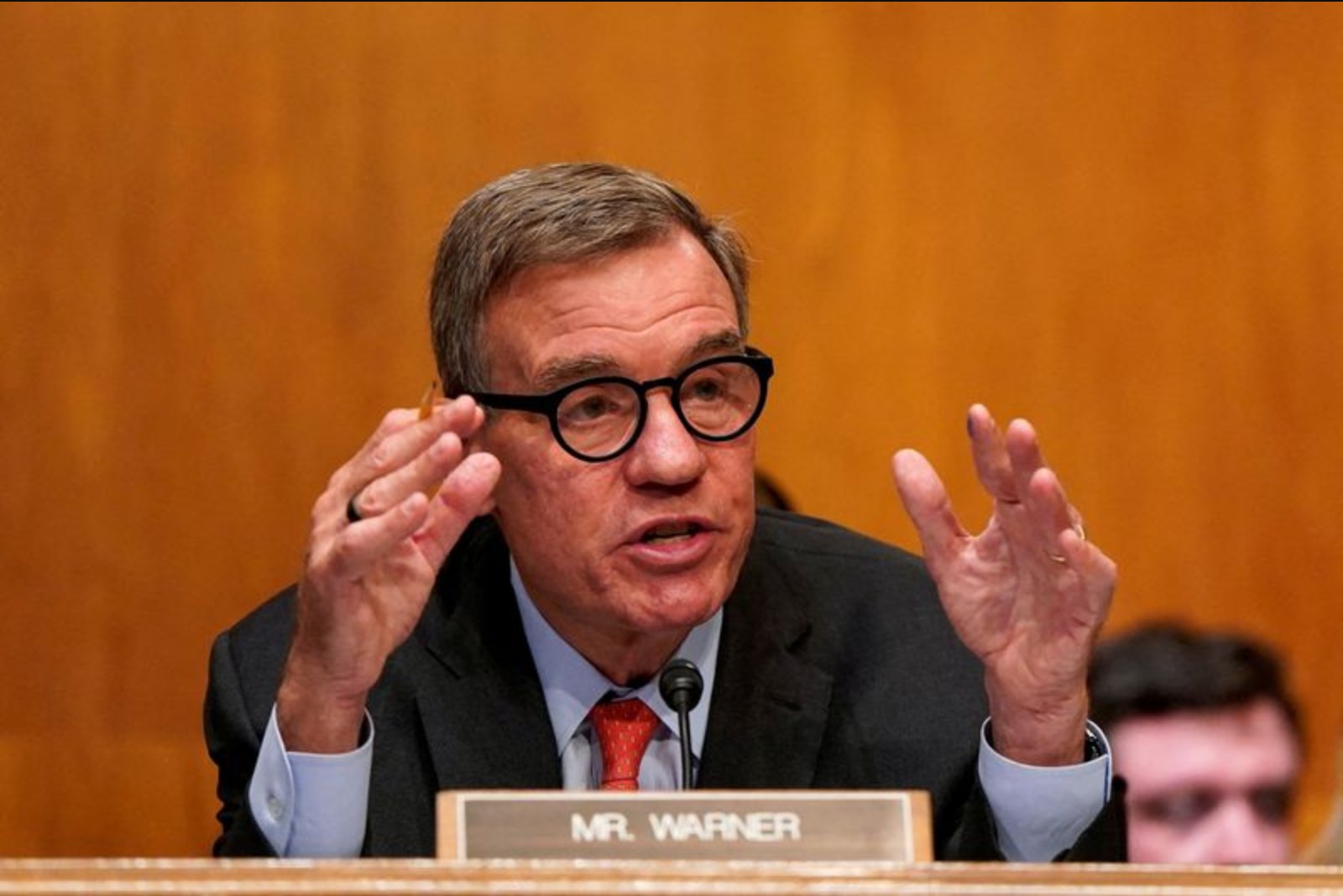
Senator Mark Warner, the ranking member of the Intelligence Committee, issued a stern criticism in a written statement, saying the administration “has subordinated national security concerns to a haphazard and transactional approach, bowing to U.S. companies pursuing deals with (Chinese) companies-of-concern, granting licenses for export of sensitive U.S. technology, and permitting continued access to U.S. markets by (Chinese) national champions so long as it provides opportunities to enrich the president’s family and friends.”
House Foreign Affairs Committee Democrats, led by Representative Gregory Meeks, also condemned the pauses on social media, writing: “This is appeasement. Trump is making Americans less safe by sacrificing technology security.”
The White House, the Commerce Department and the Chinese embassy in Washington did not immediately respond to requests for comment.
Officials say the pause aligns with the administration’s broader effort to minimize actions that could strain relations with Beijing following a trade truce reached between Chinese President Xi Jinping and U.S. President Donald Trump in October. Recent administration decisions include granting Nvidia permission to export its second most advanced AI chips to China and delaying a rule that would have barred thousands of Chinese companies from purchasing U.S. technology.
Democrats questioned whether those choices reflect a pattern of concessions ahead of the planned April meeting. Ro Khanna, the top Democrat on the House China Select Committee, said late Thursday that the shelving of curbs raised concerns over whether the president “continues selling out American workers and security during his trip to China.”
Other Democratic senators voiced similar alarms. Senator Jeff Merkley, a member of the Senate Foreign Relations Committee, described the administration’s actions as a “lose-lose” that he said weakens the U.S. technology sector and imperils American data. Senator Michael Bennet, who sits on the Senate Intelligence Committee, criticized what he termed the administration’s “strategic incompetence,” contrasting the current approach with the administration’s earlier identification of risks posed by Huawei during a prior term.
Senator Elizabeth Warren, the highest-ranking Democrat on the Senate Banking Committee, linked these policy reversals to personnel changes in national security roles, asserting: “First Trump pushed out career national security experts working to counter cyber threats posed by China. Now he’s shelving critical safeguards they put in place. Why is the Trump Administration so eager to do Beijing’s bidding?”
The pause on the proposed measures has prompted Democrats to frame the developments as a shift away from tough technology controls in favor of a more conciliatory posture toward Beijing, at a moment when bilateral engagement is expected to intensify. Lawmakers from both chambers pointed to a range of sectors - telecommunications, data infrastructure, and electric vehicle and commercial vehicle markets - as directly affected by the policy decisions.
As the April meeting approaches, the debate underscores contrasting views within Washington over the balance between commercial ties and national security safeguards when dealing with China.