
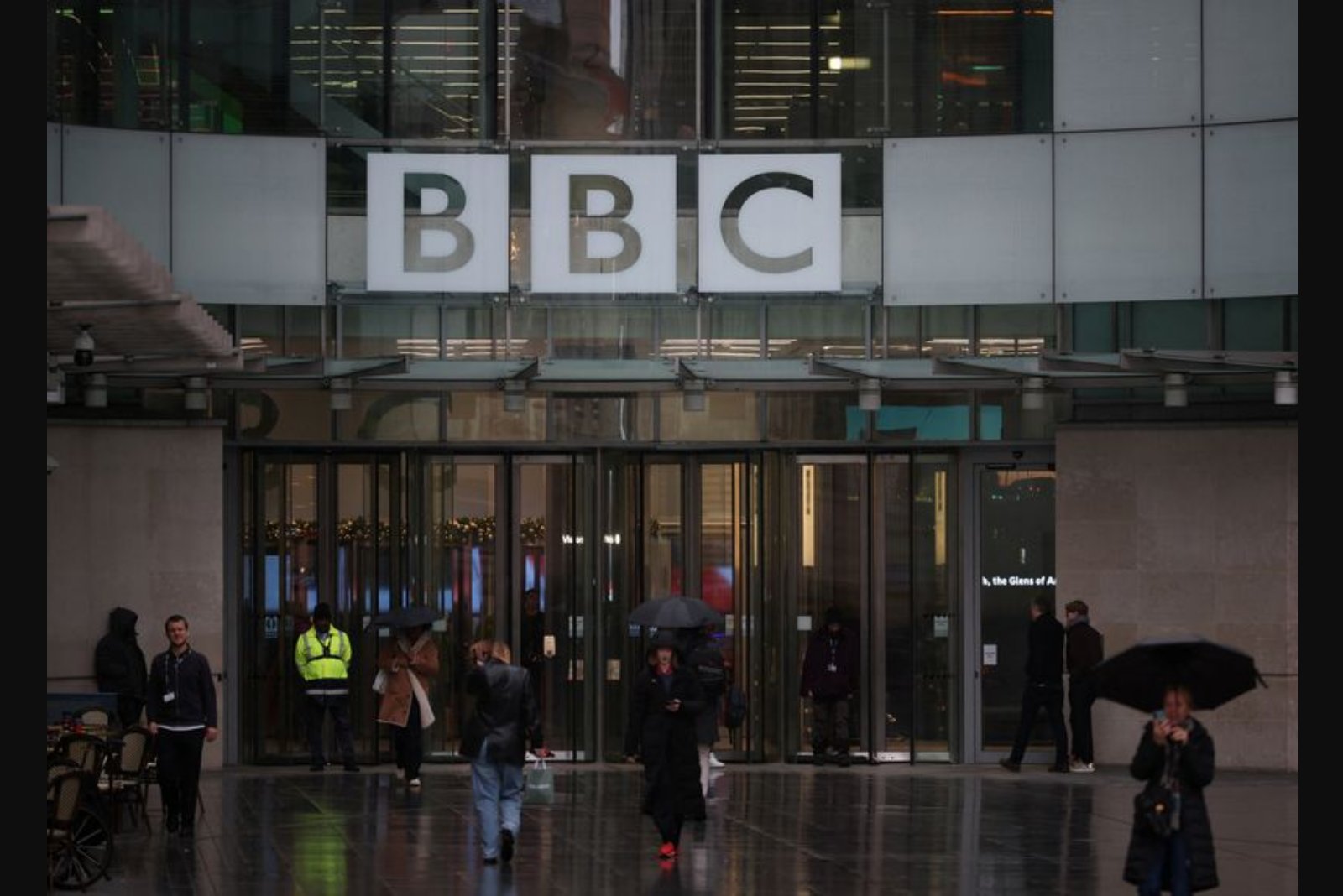
Britain’s public broadcaster has told a federal court in Miami that U.S. President Donald Trump has not met the legal threshold required to prove defamation in relation to a documentary aired shortly before he won a second White House term.
In a filing on Wednesday, the BBC said it will argue that Trump’s $10 billion lawsuit should be dismissed. The corporation said the complaint fails to state successful legal claims both for defamation and for an alleged breach of a Florida unfair trade practices statute.
The BBC also signaled it will press separate procedural defenses, telling the court it intends to argue that the Florida forum lacks jurisdiction to adjudicate the dispute. The broadcaster cited Florida law, federal civil procedure rules, and the U.S. Constitution’s due process clause as bases for contesting the court’s authority to hear the case.
The suit centers on an edit used in the documentary titled Trump: A Second Chance? Trump alleged the program had spliced together parts of a speech he gave on January 6, 2021, to create the impression that he had directed supporters to storm the U.S. Capitol later that day, when lawmakers were set to certify Democrat Joe Biden’s 2020 election victory.
According to the complaint, the contested edit combined a segment in which Trump said supporters would "march on the Capitol" with another recording made nearly an hour later in which he exhorted them to "fight like hell." The BBC has apologized to Trump for that edit.
Trump, identified in the filing as a Republican, is seeking at least $5 billion in damages for each of his claims against the publicly funded broadcaster. The dispute has had immediate institutional fallout: allegations arising from the documentary and its production led to the resignations in November of the BBC’s top executive and its head of news.
Legal procedural timing is set out in court filings. Trump filed his complaint on December 15. The BBC has until March 17 to file a formal response to that complaint. A trial date has been scheduled for February 15, 2027.
Lawyers for Trump did not immediately respond to requests for comment.
This case combines substantive claims over alleged defamatory editing with jurisdictional and procedural defenses, and it raises questions about liability, editorial processes, and accountability for publicly funded media organizations. The court’s consideration of both the merits and the procedural posture of the claims will determine whether the suit proceeds to a full trial or is dismissed at an earlier stage.