
In an election that followed mass youth protests, the newly formed National Citizen Party (NCP) ended up with just six seats in Bangladesh's 300‑member parliament, underscoring the difficulty of converting a grassroots uprising into sustained electoral success.
Voters overwhelmingly favored the long-standing Bangladesh Nationalist Party (BNP), a movement that has governed the country three times, most recently between 2001 and 2006. The NCP, which emerged from the 2024 protests that contributed to the fall of former premier Sheikh Hasina, failed to attract the same level of support at the ballot box.
Choices that constrained the new movement
Key decisions by NCP leaders contributed to its limited showing. Initially poised to contest nearly all seats, the party reversed course late in the campaign and stood candidates in only 30 constituencies as part of an electoral coalition. That alliance included Jamaat-e-Islami, a well-established Islamist party, a move that many supporters said undermined the new movement's credibility.
Some NCP backers felt the coalition amounted to self-sabotage. A number of young voters perceived the alignment with Jamaat-e-Islami as a retreat into familiar political practices rather than a clean break from them. The decision, announced in December, left the party competing in far fewer seats than it had planned and, according to critics within its base, diluted the message that had driven the July 2024 protests.
Voices from the youth base
Many supporters described the alliance as a betrayal. "They did not live up to the hopes and dreams people had after the 2024 uprising," said 23‑year‑old university student Sohanur Rahman. "The NCP’s alignment with Jamaat felt like a betrayal, and many young voters like us chose not to support them."
Among the party's six successful candidates was Abdullah Al Amin, 32, a lawyer who serves as the party's joint secretary. He said the NCP had expected stronger results and that several defeats came by narrow margins. "We have just started our journey," he said. "We want to ride a long journey to change Bangladesh, real change that we were aspiring for when we took to the streets in July 2024." Al Amin also said the alliance with Jamaat had helped secure the seats the party won.
Analysis of the outcome
Political analysts pointed to multiple causes for the NCP's disappointing tally. Shakil Ahmed, a professor of government and politics at Jahangirnagar University, argued the coalition alienated voters who had hoped the uprising would bring a new political class. "Many saw it as a retreat into old politics rather than a break from it," he said. According to Ahmed, that retreat fractured the youth vote and strengthened support for the BNP under Tarique Rahman, which appeared more organised and capable of governing.
Party leaders acknowledged limitations as well. NCP chief Nahid Islam said in December that the organisation had not had enough time to establish itself. Reuters previously reported that the party also faced funding shortages and had not clarified positions on issues including rights for women and minorities, constraints that further hampered its campaigning.
Next steps and internal debates
NCP officials signalled an intention to rebuild from opposition. Spokesperson Asif Mahmud said the party would focus on local government elections scheduled for the following year and on strengthening its organisational foundations. Professor Ahmed warned that without a clearer identity and avoidance of alliances that muddle its message, the NCP risks remaining a symbolic movement rather than becoming a major political force.
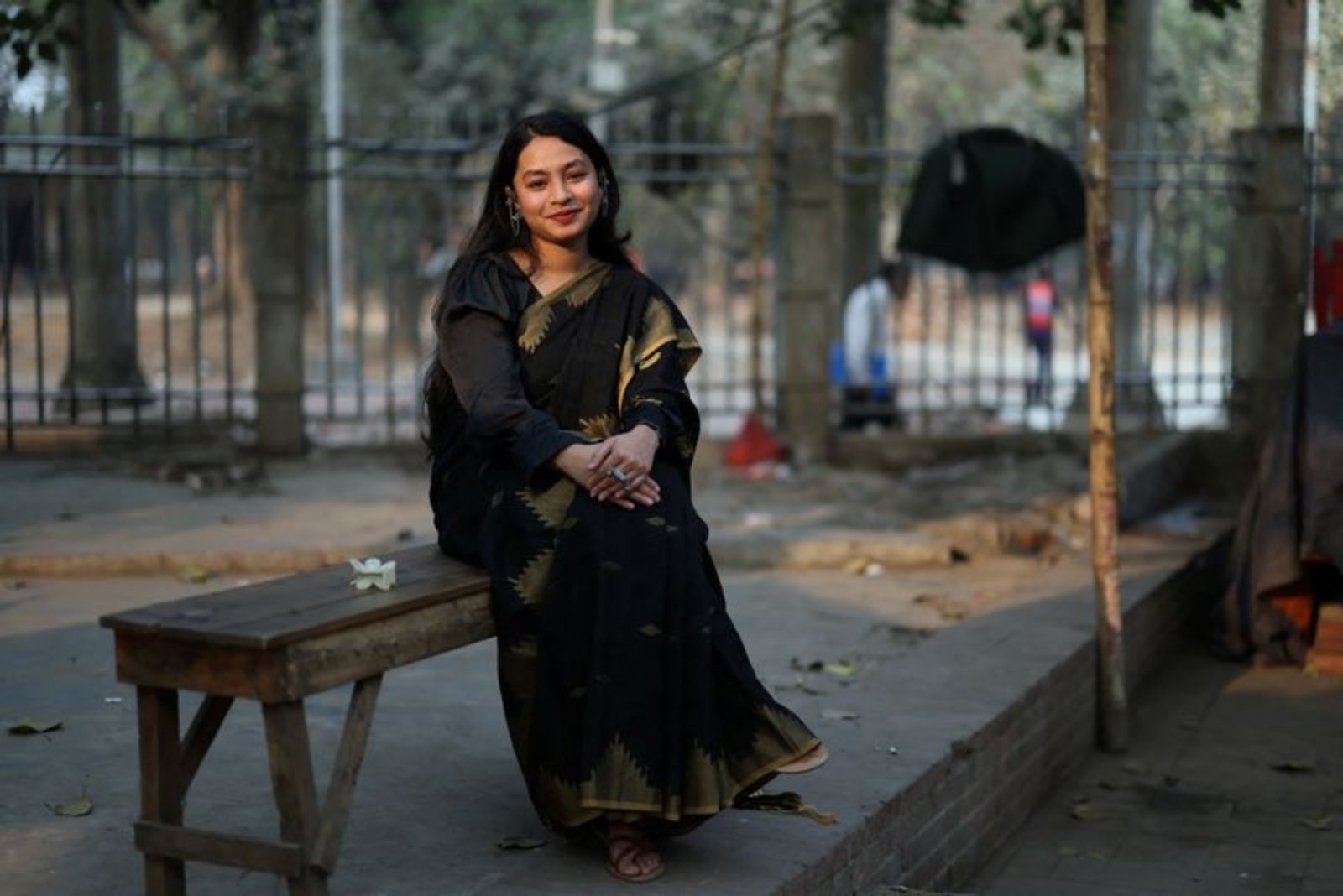
Members who left the party in protest over the alliance highlighted both promise and weakness. Tasnim Jara, a 31‑year‑old doctor who resigned from the NCP in December and contested a Dhaka seat as an independent, received more than 44,000 votes but lost by a substantial margin to a BNP candidate. She framed her campaign as an argument for integrity in politics, saying: "We have shown that it is possible to win people’s hearts through a clean and honest campaign. But our limitations have also become clear. For clean politics to survive, it must be strong. To protect a peaceful political model, we need to build a stronger organisation that is capable of withstanding any form of intimidation."
Citing her own tally, Jara said there remained cause for optimism and that she would not return to medical practice in Britain. "Our best days are still ahead," she said.
Unresolved challenges
The election results laid bare the gap between street momentum and institutional capacity. The NCP’s late alliance decision, organisational infancy, limited campaign funds, and underdeveloped policy positions constrained its ability to convert protest energy into parliamentary representation. Party figures said rebuilding and contesting local elections are priorities, but whether the movement can reconstruct a unified identity and broaden its base remains an open question.
For now, the choice of voters to return to an established party signals the hurdles new movements face in translating social unrest into sustained electoral power.