
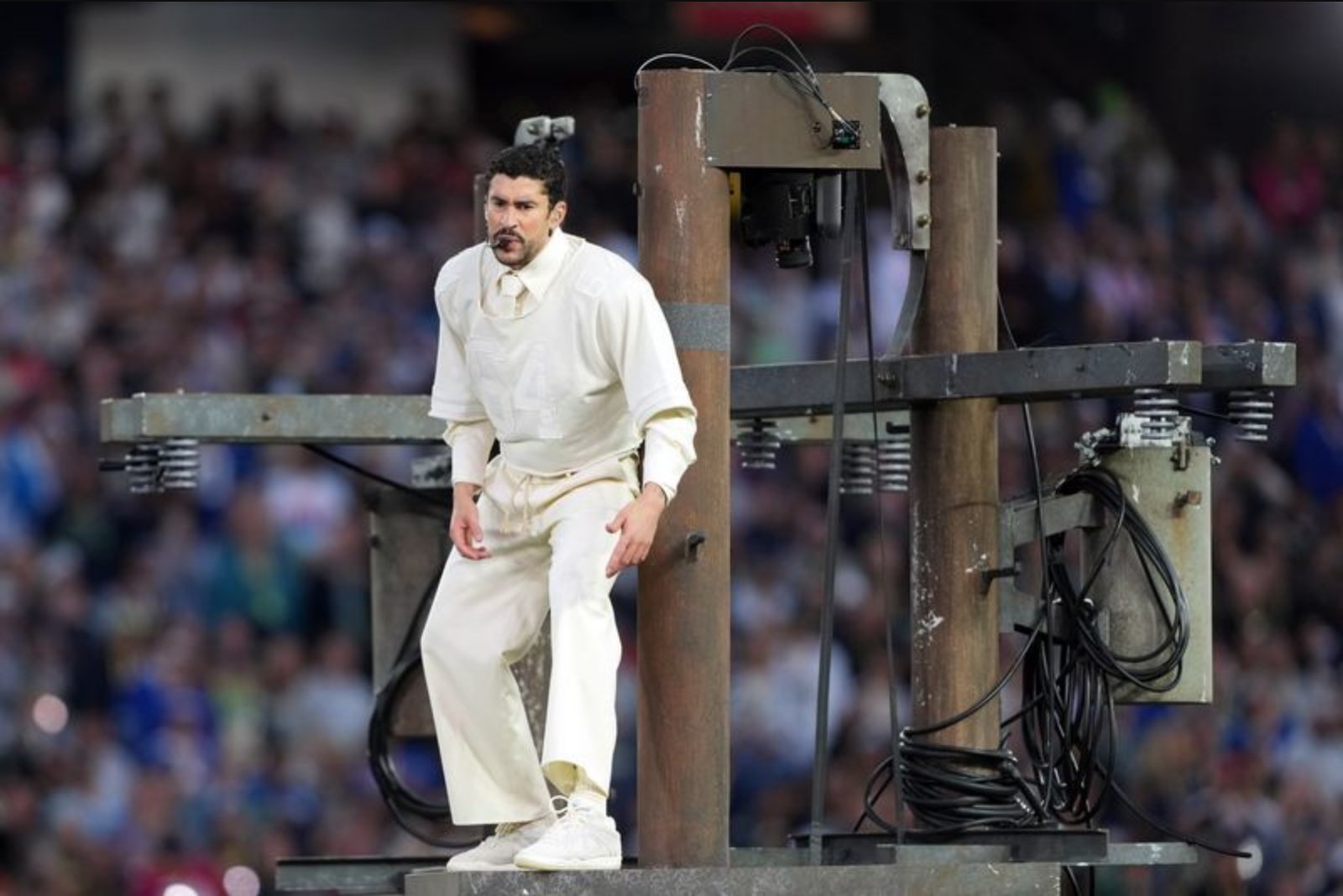
AURORA, Colorado - For many Hispanic residents of Aurora, Puerto Rican star Bad Bunny’s Super Bowl halftime performance provided more than entertainment: it was a vivid affirmation of cultural identity at a time when daily routines and neighborhood life have been altered by intensified immigration enforcement and inflammatory political rhetoric.
The Denver suburb of about 403,000 people, where Latinos make up more than 31% of the population, has become a focal point for criticism from U.S. President Donald Trump. On the campaign trail and after returning to office, Trump has asserted that the city has been overtaken by Venezuelan gang members - a claim disputed by local citizens and leaders. In parallel with that rhetoric, immigration raids have increased in Aurora, and many Latinos in the area - regardless of immigration status - say they feel stigmatized, exposed and under pressure.
Against that backdrop, a dozen Latino residents interviewed in the city described Bad Bunny’s halftime show - which Trump called "an affront to the Greatness of America" - as a moment of collective recognition. Rather than simply a performance, they said it offered a short-lived but meaningful reprieve: visibility, pride and a renewed sense of courage.
"The fear factor within the Hispanic community is definitely there - people with papers, people without papers. Many people are scared to come out of their houses, the morale of the community is super low," said William Herrera, who manages Panaderia el Paisa, a bakery that serves as a neighborhood hub. "That’s why Bad Bunny’s show was so beautiful. For him to represent Hispanics on the biggest stage in America at a time when all the racists are trying to push us down, for him to deliver the message that love is stronger than hate, it filled me with pride. He gave courage to the entire community."
Residents described changes in everyday social life they attribute to fear of enforcement. Some streets feel emptier, large birthday celebrations are less frequent and once-common backyard asada barbecues are now rare, they said. Conversations across the community, they added, frequently circle back to anxieties about where to go, whether to speak Spanish in public and how visible they can be in their own neighborhoods.
At Mary Zuloaga’s beauty salon, a television tuned to the Spanish-language network Univision showed clips of the performance as she reflected on what it meant to see Bad Bunny singing entirely in Spanish. Born in Colombia and in the United States since the early 1980s, Zuloaga said the Latino community has weathered similar periods of anxiety in the past - notably under former President Ronald Reagan - and that those episodes left lasting effects on behavior and identity. She told reporters she believes the current climate is worse than in the 1980s and said she fears that speaking Spanish or appearing Latino could lead to her arrest and detention despite her status as an American citizen.
For Zuloaga, the fact that Bad Bunny performed fully in Spanish was central to the moment’s importance. She noted that criticism suggesting a Spanish-language performance might alienate English-only viewers did not diminish what the show represented for Latino identity.
"He showed that the government can terrorize our community, but they cannot take away our language," Zuloaga said. "If we let them do that, then we have lost our identity."
Nearby, at Ollin Cafetzin - a coffee house that maintains a 1,000-book ethnic studies library and hosts trainings for those who wish to observe immigration raids - co-owner Cynthia Moreno-Romero connected the themes of the performance to the cafe’s broader work. The coffee house partners with immigrant and workers’ rights organizations to support undocumented residents, and it offers community programming aimed at both education and mutual aid.
Moreno-Romero described Bad Bunny’s performance as an act of resistance that echoed the social and educational efforts she organizes. "It is important for us at this time when fear seems like the only thing we can hold on to, to really channel that fear into imagination and organizing," she said. "It’s important that we highlight joy in these moments."
Residents’ accounts emphasized both the emotional lift the performance provided and the persistent shadow cast by aggressive enforcement and stigmatizing public statements. For many in Aurora’s Latino neighborhoods, the halftime show offered a concentrated interval of communal pride and visibility amid a period they describe as fraught and uncertain.
Community settings and voices quoted in this report:
- William Herrera, manager at Panaderia el Paisa - comments on fear, morale and pride.
- Mary Zuloaga, owner of a beauty salon - reflections on language, identity and fear despite citizenship.
- Cynthia Moreno-Romero, co-owner of Ollin Cafetzin - ties between the performance and community organizing.