
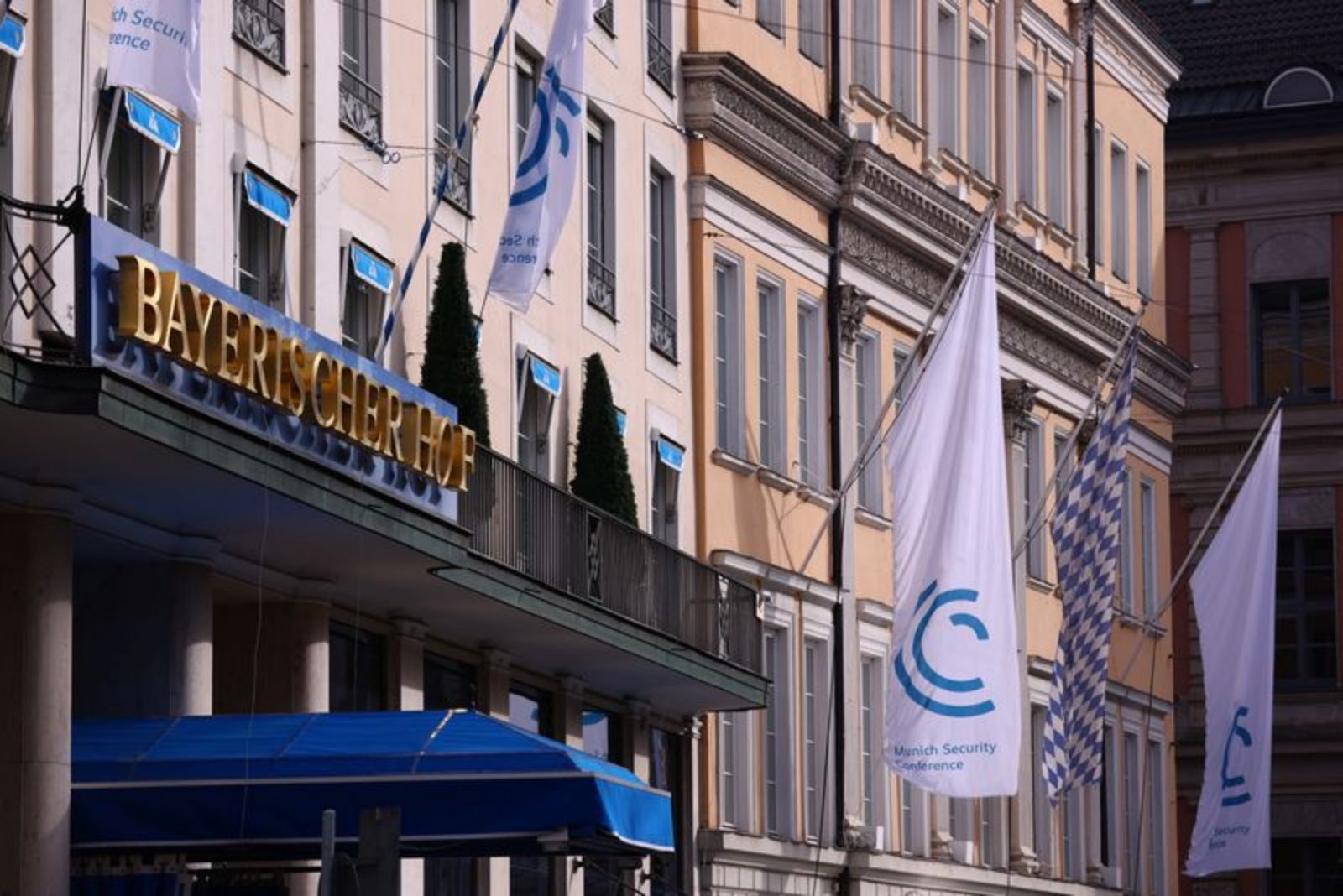
One year on from a blistering address by U.S. Vice President JD Vance at the Munich Security Conference, European and global leaders are convening with the twin aims of asserting a more independent strategic posture and preserving the foundations of the transatlantic relationship.
Vance's 2025 speech at the annual assembly of senior security officials marked a point of clear rupture in ties, triggering what participants describe as an unprecedented period of transatlantic confrontation. The U.S. stance that followed has been characterised by some as a drive to dismantle long-standing elements of the international order that Washington helped to construct.
The forum opens at a moment when the international security landscape is unusually crowded with crises. The meeting comes against the backdrop of active conflicts in Ukraine, Gaza and Sudan. "I cannot remember a time when we had more simultaneous wars, crises, and conflicts of that dimension," Wolfgang Ischinger, the former German diplomat who runs the Munich forum, told a gathering earlier in the week.
Ischinger also warned that an era of what he called "wrecking-ball politics" has supplanted the more traditional conduct of incremental reform and policy adjustment. That phrase encapsulates a concern that sweeping, destabilising actions are now more likely than measured correction.
Observers point to an array of assertive actions by U.S. President Donald Trump that have heightened anxiety among allies. Those actions cited include the toppling of Venezuela's leader, threats of military action toward other Latin American states, the imposition of tariffs on a wide range of countries, and public discussion of annexing Greenland - a step described in some accounts as one that could undermine the NATO alliance.
Vance's address in Munich, which accused European leaders of censoring free speech and mishandling migration, was widely seen as a milestone in the deterioration of relations. Since then, the administration's tougher rhetoric - including a stark warning about Europe facing "civilisational erasure" - has prompted European governments to pledge higher defence spending after decades of under-investment.
Yet analysts and officials stress that Europe's reliance on U.S. military support cannot be overturned quickly. That structural dependence leaves European states vulnerable, particularly as the stand-off with Russia over the Ukraine war continues.
"In recent weeks and months, perhaps for the first time in a long while, we have been able to see with our own eyes that we can be a power - especially on the basis of the values we are not willing to abandon," German Chancellor Friedrich Merz told parliament late last month, reflecting on Europe's reaction to the Greenland episode. "We have been able to feel something of the happiness that comes from self-respect," he added, while noting the EU must do more to secure its economic competitiveness and security.
Vance's absence from this year's forum has raised expectations that the tone from Washington will be less confrontational. Secretary of State Marco Rubio is leading the U.S. delegation and, according to Ischinger, is expected to offer a more conciliatory message when he speaks on Saturday.
The conference's guest list signals the high diplomatic stakes. German Chancellor Merz is scheduled to open proceedings with remarks intended to bolster transatlantic ties while underlining the need to strengthen the European Union, according to a German government official. Organisers say around 70 heads of state and government and more than 140 ministers will attend under heightened security. Among those expected are Chinese Foreign Minister Wang Yi, Ukrainian President Volodymyr Zelenskiy, French President Emmanuel Macron, British Prime Minister Keir Starmer and India's Foreign Minister Subrahmanyam Jaishankar.
Christine Lagarde is slated to become the first president of the European Central Bank to speak at the forum, underscoring the view among participants that economic resilience is integral to political and security objectives.
A sizeable U.S. congressional delegation had been expected to travel with Rubio, but many lawmakers withdrew to remain in Washington for a critical House vote on funding the Department of Homeland Security.
Notably, Russia will not be sending a delegation to the event. Invitations to Iranian officials were rescinded following Tehran's nationwide crackdown on protests last month, in which thousands of people have been reported killed. Instead, the son of the last Shah of Iran is expected to address the forum, and a large Iranian opposition rally is planned in Munich.
Domestically, in Washington's political orbit, commentators note that after provoking an acute rupture in NATO over talk of annexing Greenland, President Trump appears to have stepped back from that specific posture for the moment - a retreat prompted by intense pressure from many of his own supporters, said Claudia Major, senior vice president at the German Marshall Fund overseeing transatlantic security work.
Major cautioned, however, that the underlying reorientation in transatlantic relations remains. She highlighted that Rubio's subsequent European stops include Hungary and Slovakia, countries led by nationalist governments that frequently clash with EU policies on matters such as Ukraine.
Even so, Major argued the Munich meeting could serve as a forum for European allies to press for continued U.S. support for Ukraine, specifically seeking security guarantees. She suggested that progress on such questions could also advance the broader objective of moving toward a ceasefire that genuinely ends the war without embedding conditions that might sow the seeds of a future conflict.
Context and stakes
The Munich Security Forum, originating in the Cold War era as a venue for Western defence debate, now convenes against a more fractured landscape in which the previously taken-for-granted unity of transatlantic cooperation has been disrupted. Delegates will therefore navigate both immediate crisis management and deeper questions about European strategic autonomy and long-term alliance architecture.
The presence of senior economic and political figures alongside an expanded roster of state leaders highlights the interconnected nature of security and economic policy debates at the forum. How European states balance requests for sustained U.S. support with efforts to build their own capabilities will be central to discussions over the coming days.
What to watch in Munich
- Speeches by U.S. Secretary of State Marco Rubio and German Chancellor Friedrich Merz for tone and concrete commitments.
- Statements from Christine Lagarde linking economic resilience to security policy.
- Any movement on security guarantees for Ukraine and language shaping prospects for a lasting ceasefire.