
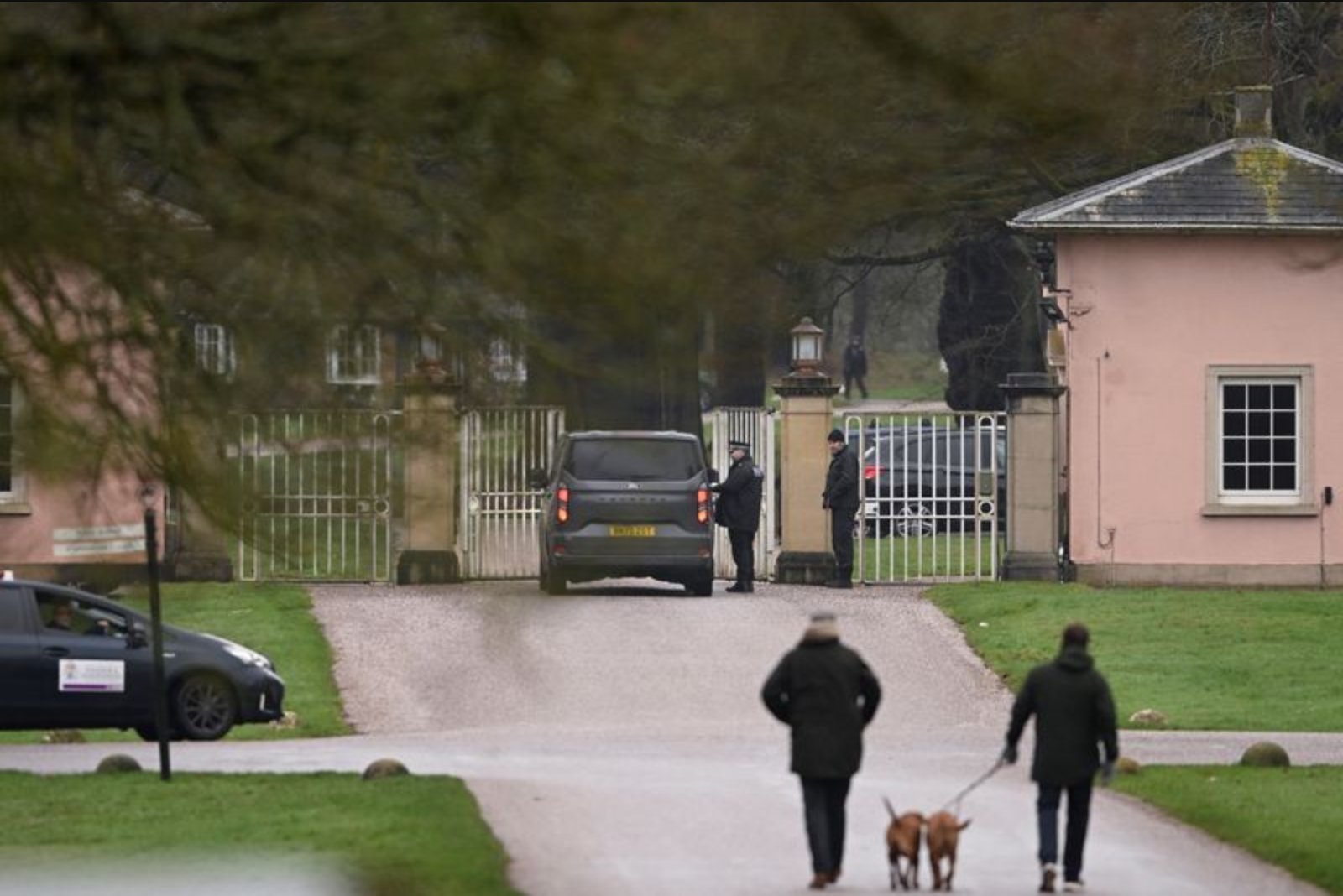
Police detained Andrew Mountbatten-Windsor on Thursday as part of an inquiry into whether he committed an offence by passing government documents to Jeffrey Epstein, an investigation that probes alleged misconduct in public office tied to his work as a British government trade representative. The questioning took place on his 66th birthday.
The former royal has repeatedly denied any criminal behaviour connected to Epstein, and has said he regretted what he called an "ill-judged association" with the late convicted U.S. sex offender. Nonetheless, the arrest represents a further, tangible setback for a man whose reputation has been seriously damaged over a series of public scandals and legal actions.
King Charles, reflecting the gravity of the situation without assigning guilt, issued a statement saying: "Let me state clearly: the law must take its course." The investigation could lead to criminal charges if prosecutors and police decide there is sufficient evidence; any such charges would carry the potential for custodial sentences if convictions followed.
From palace beginnings to military service
Born at Buckingham Palace on Feb. 19, 1960, when his mother was 33, Andrew Albert Christian Edward Mountbatten-Windsor entered the royal family as a Prince of the United Kingdom and, at birth, was second in line to the throne. He later received the title Duke of York.
Like his father and elder brother, he attended Gordonstoun, a private school in Scotland noted for its physical rigour, and then enrolled at the Dartmouth naval academy in 1979. He served in the Royal Navy for 22 years, training as a helicopter pilot. During Britain’s 1982 conflict with Argentina over the Falklands, he sailed aboard the aircraft carrier HMS Invincible, flying Sea King helicopters on anti-submarine and transport tasks for which he was awarded a campaign medal.
Marriage, family and public profile
In 1986 he married Sarah Ferguson, commonly known as "Fergie," and the queen bestowed upon them the titles Duke and Duchess of York on their wedding day. The marriage ended in separation in March 1992, during a turbulent year for the royal family described by the queen as an "annus horribilis." Ferguson later described him as a gentle man who deserved to be loved. The couple had two daughters, Princesses Beatrice and Eugenie, and maintained cordial relations after their divorce in 1996, continuing to holiday together and sharing a house for extended periods.
Trade envoy role and the Epstein connection
After leaving active naval service, Mountbatten-Windsor focused on official royal duties and economic promotion. In 2001 he was appointed the United Kingdom's Special Representative for International Trade and Investment, a role he held for a decade while representing British business interests overseas and promoting job creation.
His time as a trade envoy ended amid scrutiny of his long-standing friendship with Jeffrey Epstein, who was jailed in the United States in 2008 for child sex offences. The relationship with Epstein proved deeply damaging to his public standing and ultimately cost him his roving ambassadorial role in 2011.
Friends and associates have characterized him as uncomplicated and devoted to his work as a trade envoy, with efforts that they say frequently went unheralded. By contrast, some diplomats described him as rude and boorish. The tabloids tracked his personal life closely for decades, linking him to numerous women and giving him the nickname "Air Miles Andy" for his jet-setting lifestyle.
Legal fallout and loss of royal standing
Mountbatten-Windsor’s public reputation deteriorated further following accusations by Virginia Giuffre that he sexually abused her when she was a teenager at locations associated with Epstein. He consistently denied her account, but in February 2022 he settled the U.S. civil lawsuit she brought against him, making an undisclosed payment that media reports at the time said exceeded 10 million pounds.
After a 2019 BBC interview in which he attempted to address the allegations, he was stripped of his military affiliations, royal patronages and the use of the style "His Royal Highness." In October, as additional revelations relating to Epstein emerged, King Charles removed his title of prince and required him to vacate his Windsor residence. Buckingham Palace framed these measures as necessary despite his continued denials.
The family of Virginia Giuffre reacted to the arrest by saying, "Today, our broken hearts have been lifted at the news that no one is above the law, not even royalty," and adding, "He was never a prince." Giuffre later died by suicide three years after the settlement.
Public perception and private anecdotes
Once widely regarded as a favorite child of Queen Elizabeth II and celebrated as a dashing military figure, Andrew’s public image has been reduced in many quarters to that of a pariah. Observers and critics have attributed his decline to perceived entitlement and arrogance. A former royal protection officer recalled episodes suggesting moodiness, noting that Andrew would reportedly rant if the teddy bears on his bed were moved.
The current police questioning adds another chapter to a long-running saga that has included legal settlements, the loss of official roles and titles, and repeated public scrutiny. While arrest does not equate to guilt, the proceedings underscore the seriousness with which authorities are treating allegations tied to his conduct as a government envoy and his association with Epstein.
Where matters stand
At present, the investigation centers on whether documents from government sources were leaked to Epstein and whether such actions amounted to misconduct in public office when Mountbatten-Windsor was acting as a trade representative. He has denied criminal wrongdoing related to Epstein. The legal process will determine whether charges are brought and, should prosecutors proceed, whether a trial will follow.
The arrest on his birthday is a stark marker in a prolonged descent from royal prominence to public ignominy, and it leaves unresolved questions about accountability, privilege and the reach of the law when senior figures face serious allegations.