
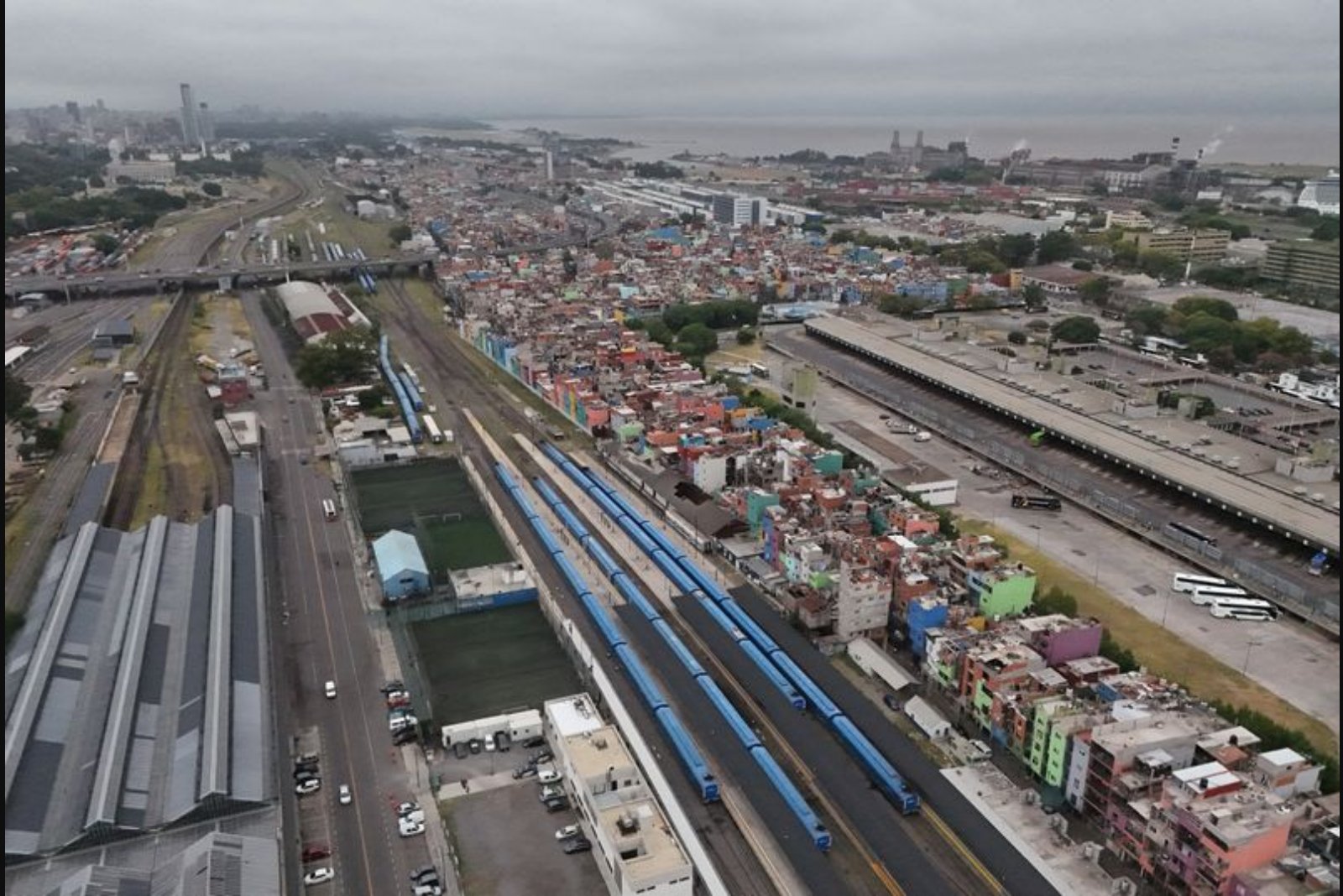
Argentina's lower legislative chamber is set to take a pivotal vote on a labor reform advanced by President Javier Milei as union federations stage coordinated stoppages that have disrupted parts of the country. The national umbrella union CGT argues the proposed changes would erode established worker protections, including limits on the right to strike.
In response to the legislation, the CGT has organized a 24-hour general strike that has involved transport workers, public sector employees and bank staff. Those walkouts have compounded disruptions caused by maritime workers' federations, which initiated a 48-hour cessation of work on Wednesday aimed at cargo vessel operations, particularly at the port of Rosario - an important agricultural export hub.
The government, by contrast, frames the reform as a means to boost investment and formalize employment. The bill received Senate approval last week with backing from the ruling party and its center-right allies, and supporters contend it will improve the investment climate and labor market flexibility.
Key provisions would place new restrictions on strike activity by requiring that essential services maintain minimum operations during stoppages. The draft also changes severance calculations by excluding certain bonuses from the compensation formula, which would reduce termination costs for employers.
Members of the Chamber of Deputies are expected to hold the vote late on Thursday. If deputies amend the legislation, the bill must return to the Senate for a final approval before it can be enacted into law. Investors are watching the outcome closely as an indicator of whether Milei can continue advancing his free-market agenda.
The unfolding industrial action and the parliamentary timetable together create a period of heightened uncertainty for logistics, financial services and sectors linked to exports, as unions press their objections and legislators prepare for a potentially decisive vote.