
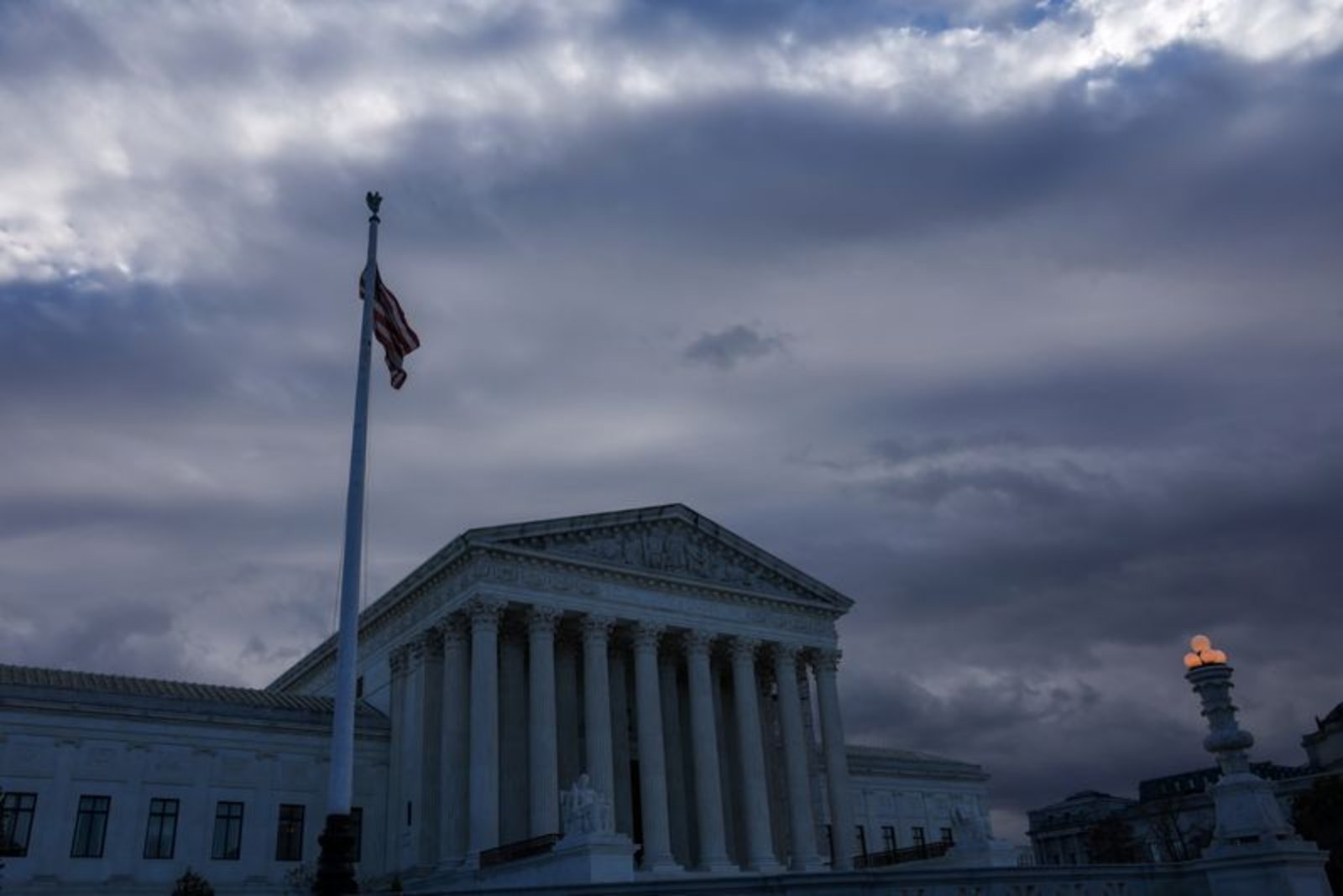
Feb 20 - The U.S. Supreme Court’s move to invalidate the emergency tariff process used to impose trade duties was met with relief by a wide range of business groups and companies, but industry representatives say the ruling also ushers in a period of complex administrative work and unanswered questions over refunds and import responsibilities.
Executives and association leaders praised the decision for reintroducing predictability into trade policy, while also flagging the operational and legal headaches that may follow as businesses and intermediaries determine who is owed refunds and who will be recorded as the importer of record for duties that were previously paid.
Industry reactions - key excerpts
Steve Lamar, CEO, American Apparel & Footwear Association
"Now is the time to restore a predictable and dependable trade policy, compliant with the rule of law, that the apparel and footwear industry can rely on to temper the already heavy tariff burden facing our industry, U.S. manufacturers, and every hard-working American family that relies on our products."
Michael Wieder, Co-founder, baby products company Lalo
"The Supreme Court decision didn’t say that tariffs are illegal, it’s that this way of imposing tariffs is illegal ... You can do it, but there has to be a clear definitive reason."
"We don’t have 100% of the facts, but we’ve been waiting for this and so many people have, so it is definitely a good day."
Steve Orava, Chair, International Trade Practice, King & Spalding
"The major issue that everybody’s going to be dealing with for at least the short term is some additional uncertainty ... Whether you’re in favor of the tariffs or against the tariffs, there’s kind of a unified view that getting some certainty in terms of the tariff levels is what is most helpful to drive business and investment decisions."
Andrew Wilson, Deputy Secretary General, Policy, International Chamber of Commerce
"Instances where intermediaries, wholesalers, express shippers like DHL, FedEx have paid the tariff on behalf of customers, they will be named as the importer of record ... I think there (is) going to be quite a lot of uncertainties, quite a lot of tension, possibly some litigation coming out of this."
Brian Dodge, President & CEO, Retail Industry Leaders Association
"The Supreme Court’s decision ... opens the door for the Administration to engage industry more closely on trade policy to create the stability and predictability American retailers and consumers need."
Francis Creighton, President & CEO, Wine & Spirits Wholesalers of America
"Today’s decision restores clarity and helps stabilize an industry that depends on open markets and longstanding international partnerships."
Dan Anthony, Executive Director, We Pay The Tariffs, a coalition of 800+ small businesses
"From a technical perspective, for the U.S. government, this is not novel or difficult ... Every shipment has a code that specifically calls out the IEEPA tariffs that are paid."
He added that the government "should be looking to minimize future suffering."
Outlook and immediate concerns
Industry leaders across sectors said they welcome the legal clarity the ruling provides, but emphasized the practical challenges of unwinding tariffs imposed under the method that the court found unlawful. Those challenges include identifying which parties paid duties on behalf of importers, determining who will be listed as the importer of record for past shipments, and administering refunds where applicable.
Several representatives warned that the near-term period is likely to feature heightened uncertainty, potential disputes, and possible litigation as businesses, carriers, and the government sort through records and responsibilities. They called for clear rules and engagement between the Administration and affected industries to limit disruption.
Who is impacted
- Apparel and footwear manufacturers and retailers, who face existing tariff burdens and sought predictable trade policy.
- Small businesses that had been paying tariffs and now expect relief but also require clarity on reimbursement mechanics.
- Intermediaries and express shipping firms that sometimes covered tariffs on behalf of customers and could be named as importers of record for prior shipments.
- Wine and spirits wholesalers and other distributors that rely on stable international trade arrangements.
Industry comments make clear that while the decision is broadly welcomed, the pathway to restoring a predictable tariff regime and resolving financial liabilities will involve detailed administrative work and legal sorting in the weeks and months to come.