
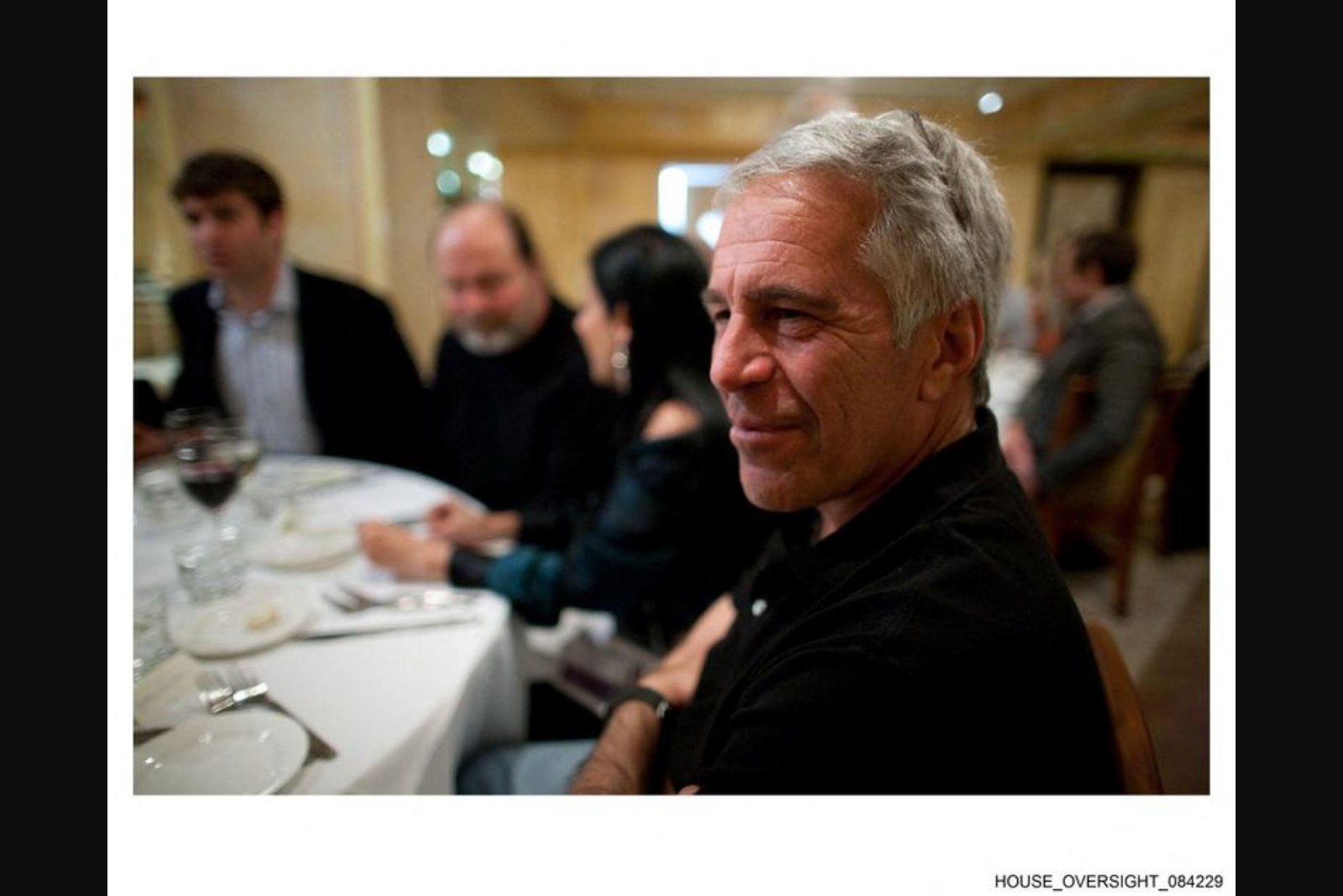
Files released by the U.S. Department of Justice show that, in the weeks before Jeffrey Epstein was detained in 2019, Charles Schwab processed a series of transfers totaling about $27.7 million connected to Epstein and businesses he controlled as those entities sought to purchase a lavish palace in Marrakesh, Morocco.
The documents, which detail internal correspondence, wire instructions and a suspicious activity report that Schwab filed with the U.S. Treasury Department’s Financial Crimes Enforcement Network, outline a condensed timeline of account openings, attempted payments and reversals tied to the prospective acquisition of the Bin Ennakhil property.
Account openings and the buyer entity
The DOJ records indicate Schwab established three accounts in April 2019 for companies associated with Epstein. One of those accounts was opened for Southern Trust, an entity that, according to the files, had agreed to acquire the ornate Bin Ennakhil palace through Moroccan realtor Marc Leon. The Schwab corporate record for Southern Trust listed Richard Kahn, identified in the files as Epstein’s accountant, as an authorised individual, and named Epstein as the company’s president and sole beneficial owner.
Wire instructions and reversals
The transaction chronology shown in the documents spans late June through early July 2019. On June 26, Schwab received an instruction from Southern Trust to wire 11.15 million euros to Leon for the purchase. The brokerage recorded that amount as roughly equivalent to $12.7 million at the time. That transfer was initiated to an account at Swiss bank Julius Baer held in Leon’s name.
The next day, an individual whose identity is redacted in the records contacted Schwab and requested that the first transfer be stopped, telling the firm that certain terms of the real estate deal were not agreeable. The person also told Schwab that a larger payment would be forthcoming to a different account. Schwab successfully reversed the initial instruction and the return of funds was scheduled to be credited back on July 10, according to the notice in the files.
Two days before Epstein’s arrest, on July 4, Southern Trust submitted a second wire transfer instruction signed by Epstein and a co-signer directing Schwab to send 14.95 million to Leon’s Julius Baer account for the same property. The Schwab suspicious activity report notes that the Southern Trust account lacked sufficient funds at that point because the earlier payment had not yet been returned. The brokerage went ahead with the transfer, even though it faced exposure until the earlier funds were credited back.
Suspicious activity report and timing
Schwab filed a suspicious activity report with FinCEN dated July 13, seven days after Epstein’s arrest, flagging the activity connected to the attempted real-estate payments and noting concerns about negative media coverage surrounding Epstein and a potential flight risk ahead of a bail hearing. The SAR states that the investigation resulted from an internal referral and that Schwab’s risk team had begun probing the accounts shortly after they were opened. The company informed Reuters by email that within 60 days of starting its review it had notified the client that it would close and terminate the relationship and had referred the matter to federal law enforcement.
The SAR itself was among documents released by the DOJ but later withdrawn from the public cache for reasons the agency did not state in the files. The DOJ declined to comment on the file when asked.
Insufficient funds and exposure
The records underline the operational exposure Schwab assumed when it processed the July 4 transfer despite a shortfall in Southern Trust’s account stemming from the pending reversal of the June 26 instruction. The SAR notes that Schwab might have had a reasonable expectation that the earlier payment would be returned, but it confirms the bank would have been at risk until the reversal was completed.
Reuters was unable to determine from the available files when, or whether, the 11.15 million euros were ultimately posted back to the Southern Trust account. The SAR indicated the funds were due to arrive on July 10. Schwab declined to provide specifics about its policies at the time on completing international wire transfers when accounts were temporarily short of funds. Julius Baer also did not comment when asked about whether it accepted the transfers.
Role of Epstein’s associates and account signatories
The DOJ documents include emails and wire requests showing Epstein and his associates discussing the March 2019 agreement for Southern Trust to buy Bin Ennakhil. Those materials also show discussions about financial arrangements and instructions for moving funds to Leon. The records include a July 9 request, bearing a redaction in the SAR, to cancel the second transfer, and an email in other DOJ documents showing that Kahn, identified as Epstein’s accountant, asked to cancel the transfer on July 9.
Following the arrest, the SAR records an exchange in which an unidentified Epstein associate queried Schwab about whether future transfers from Southern Trust would still require two signatures, noting more money would soon be sent. The files do not provide a conclusive account of whether additional transfers were attempted or completed after that exchange.
Realtor’s account and the property
Marc Leon, the Marrakesh-based realtor tied to the proposed sale, told Reuters by email that Epstein first sought to buy Bin Ennakhil as far back as 2011 and that negotiations on terms and price had continued over the years. The property listing included in the DOJ file describes an opulent estate with gold-draped walls, a hammam steam spa, 60 marble fountains, an outdoor pool and jacuzzi, and grounds covering 4.6 hectares. The listing also mentions multiple gardens with hundreds of olive trees and more than 2,000 palm trees, and measured the estate as being larger than New York’s Washington Square Park or approximately equivalent to six standard soccer pitches.
Leon defended his role in trying to arrange the sale to Epstein, stating that Epstein had been convicted of sex crimes in 2008 and had served his sentence, and therefore there was nothing legally to prevent him from attempting to purchase property in Morocco. Leon added that he and the other professionals involved had no way of knowing whether Epstein had continued criminal activity.
Leon also told Reuters that the Bin Ennakhil property did not remain on the market indefinitely. He said the property has since been sold to another buyer. The DOJ files indicate the proposed transaction involving Epstein ultimately did not complete.
Regulatory context and prior banking moves
The records show Epstein turned to Schwab in 2019 at a time when Deutsche Bank was winding down the accounts it maintained for him. Epstein had pleaded guilty in 2008 to soliciting prostitution from an underage girl and had served time in custody under that conviction, facts reflected in the DOJ materials. Schwab was one of at least seven financial institutions subpoenaed by the U.S. Virgin Islands in 2020 seeking documents related to the co-executors of Epstein’s estate. The subpoena did not name Schwab as a defendant, nor did it contain allegations of wrongdoing against the brokerage, according to the documents.
Under U.S. rules such as the Bank Secrecy Act, financial institutions are required to file suspicious activity reports within regulatory timeframes after identifying potentially suspect facts, and to report cash transactions that exceed $10,000 daily, to help detect and prevent money laundering. The files include Schwab’s SAR and show the brokerage flagged the account activity after its internal review. FinCEN declined to comment on the record when approached.
Legal follow-up and personnel inquiries
Other items in the DOJ-led document set show that Richard Kahn has been ordered to testify before Congress about whether his handling of Epstein’s finances helped facilitate the late financier’s alleged crimes, according to a media statement from House Oversight Committee member Robert Garcia cited in the files. The files also note that Reuters has not found evidence that Kahn committed any wrongdoing.
Schwab, in its emailed response included in the records, said an associate of Epstein opened the accounts in April 2019, that its risk team began investigating soon thereafter, and that within 60 days it had made the decision to notify the client of account closure and referred the matter to federal law enforcement. The brokerage declined to spell out the exact date on which its risk team began its review and declined to comment on individual account details, citing federal regulation, privacy laws and its internal policies and procedures.
Aftermath and unresolved elements
Jeffrey Epstein died in custody in August 2019 while facing U.S. federal sex trafficking charges. The DOJ files make clear the planned purchase of Bin Ennakhil by Southern Trust did not go through and that the property eventually was sold to another buyer. The documents also show Schwab’s concern about processing real-estate related wires for a client who had attracted negative media attention and whose custody status raised concerns about flight risk before a bail hearing.
Several elements remain unclear in the released materials. The precise timing of when the 11.15 million euros were credited back to Southern Trust is not established in the files available, and the DOJ has not provided a public explanation for the removal of the SAR from its online cache. Schwab declined to answer questions about its policy at the time for processing international transfers when account balances were insufficient, and Julius Baer declined to comment on whether it accepted the transfers indicated in the DOJ materials.
What the documents show
- Schwab executed roughly $27.7 million in transfers connected to Epstein and associated entities in the weeks before his 2019 arrest.
- Three accounts were opened for Epstein-linked companies at Schwab in April 2019, one of which was Southern Trust, with Richard Kahn listed as an authorised person and Epstein identified as president and sole beneficial owner.
- Schwab filed a suspicious activity report on July 13, citing concerns about attempted real-estate wires and negative media surrounding Epstein, and stating its investigation had arisen from an internal referral.
The files released by the DOJ provide a detailed snapshot of how one U.S. brokerage handled large international transfers tied to a high-profile client in the weeks before his arrest. The records contain explicit transaction dates, signatory details and internal deliberations but leave open certain operational and chronological questions that the available materials do not resolve.