
Politics February 20, 2026

U.S. proposal would suspend asylum work permits until processing times fall, DHS says

Plan would pause authorization for new asylum applicants until average adjudication drops to 180 days or less, with stricter eligibility rules for those who entered illegally

By Caleb Monroe
U.S. proposal would suspend asylum work permits until processing times fall, DHS says

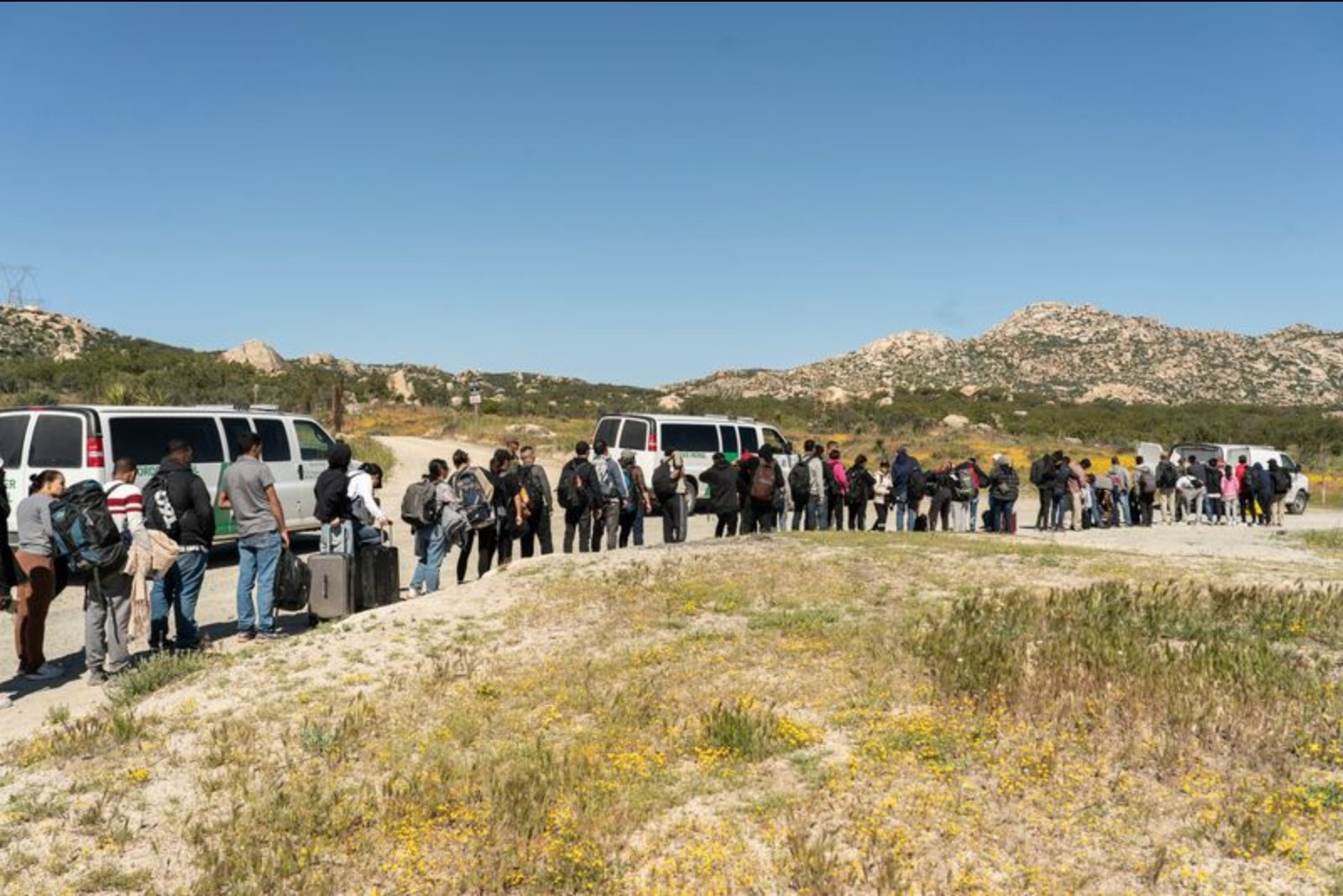
The Department of Homeland Security has proposed a rule that would halt the issuance of work permits to new asylum seekers until certain asylum processing times fall to an average of 180 days or below. The administration says the change is intended to reduce incentives to file asylum claims for employment and to lower adjudication workloads so security vetting can be improved. The measure, which includes tightened eligibility criteria and limited exceptions, is expected to face legal challenges and has drawn criticism from immigrant advocates and some Democrats.

Key Points

  • DHS proposal would pause issuance of work permits for all new asylum applicants until average processing times for certain asylum applications reach 180 days or lower.
  • The department estimates, based on current wait times, the pause could last between 14 to 173 years unless other factors reduce that timeline.
  • The rule would tighten eligibility, generally barring those who entered the U.S. illegally from receiving new work permits or renewals, with narrow exceptions for prompt reporting of fear of persecution.
  • Sectors that could feel effects include industries reliant on immigrant labor such as agriculture, construction, hospitality, and certain service segments due to reduced legal work authorization for new asylum applicants.

The Department of Homeland Security on Friday unveiled a proposed rule that would pause the processing of employment authorization documents for new asylum applicants until the agency achieves specified processing time targets.

Under the proposal, DHS would stop issuing work permits for all new asylum applicants until the average processing time for certain asylum cases falls to 180 days or less. The department said the measure is aimed at reducing incentives to file asylum claims primarily to obtain legal work authorization and at lowering the agency's processing workload so security checks can be increased.

Agency estimates included in the proposal indicate that, based on current waiting times, reaching that 180-day threshold could take between 14 to 173 years. DHS noted, however, that other factors could shorten that projected timeline.

The rule would also revise eligibility standards for asylum-based work permits. In the text of the proposal, DHS frames a work permit as discretionary, arguing that a work permit "is not an entitlement" and may be issued at the discretion of the DHS secretary.

One of the more consequential provisions would generally bar migrants who entered the United States illegally from receiving new work permits or renewing existing ones. The regulation would carve out limited exceptions, including for individuals who notified U.S. border authorities within 48 hours that they feared persecution or torture, or who had another urgent reason for crossing illegally.

Officials characterized the change as part of a broader push by the administration to reduce both legal and illegal immigration. The administration, returned to office in 2025, advanced a campaign message portraying immigrants and asylum seekers as criminals and economic burdens on communities, a depiction the proposal repeats despite contrary evidence referenced in the public record.

Immigrant advocacy groups and some Democratic lawmakers criticized the proposed rule, arguing it undermines existing U.S. and international legal obligations toward asylum seekers. DHS acknowledged the proposal will likely face legal challenges but defended the measure as necessary to manage caseloads and strengthen vetting.

The rule would represent one of the most significant changes to asylum-related work authorization in decades if finalized. The department's projected timeline for resuming routine processing underscores the potential for a prolonged suspension of work permits under current conditions, even as the agency left open the possibility that circumstances could shorten the estimated interval.

Risks

  • Legal uncertainty - DHS acknowledges the proposal will likely face court challenges, creating regulatory and compliance risk for employers and immigration service providers.
  • Labor supply constraints - A prolonged pause in work permits could reduce the pool of legally authorized workers, potentially affecting industries that depend on immigrant labor (agriculture, construction, hospitality, services).
  • Policy timeline variability - DHS projections range widely (14 to 173 years), reflecting considerable uncertainty about how long the suspension could last and how market participants should plan.

More from Politics

Trump Banner Appears at Justice Department Headquarters, Part of Broader Push to Stamp Presidential Identity on Federal Buildings Feb 19, 2026 Florida Legislature Votes to Rename Palm Beach International Airport for President Trump Feb 19, 2026 U.S. Proposal Would Relax Nuclear Safeguards in Draft Saudi Pact, Document Shows Feb 19, 2026 Commission of Fine Arts Gives Unanimous Approval to $400 Million White House Ballroom Plan Feb 19, 2026 Americans Say Epstein Files Underscore Elite Impunity, Poll Shows Feb 19, 2026