
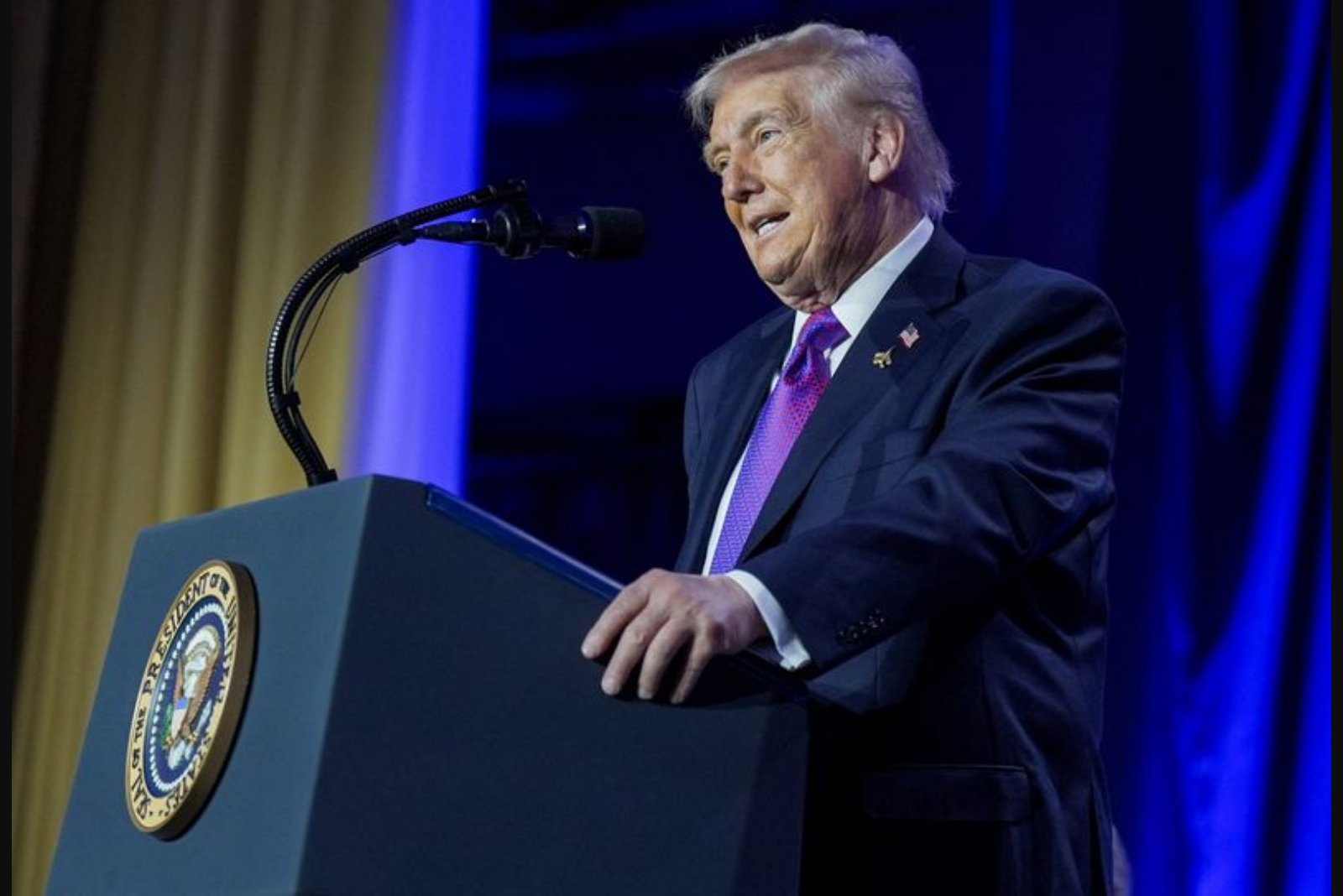
WASHINGTON, Feb 6 - President Donald Trump late on Thursday shared a roughly one-minute video on social media that placed the heads of former President Barack Obama and former first lady Michelle Obama onto dancing primates, using imagery long associated with racist campaigns to dehumanize people of African descent.
The post amplified Mr. Trump's repeated, unfounded claims that his 2020 election loss resulted from fraud. Within the short clip an apparently AI-generated sequence of dancing primates appears with the Obamas' faces superimposed, and the video included a song from the musical The Lion King.
The upload prompted quick condemnation from prominent political figures. Republican Senator Tim Scott, who is Black and has aligned with Mr. Trump in other contexts, posted on X: "Praying it was fake because it’s the most racist thing I’ve seen out of this White House." He added, "The President should remove it."
White House spokeswoman Karoline Leavitt defended the post, saying it had produced "fake outrage." She characterized the content as originating from "an internet meme video depicting President Trump as the King of the Jungle and Democrats as characters from the Lion King."
A spokesperson for the Obamas declined to comment on the video.
Observers noted the long history of white supremacist use of simian imagery to demean people of African ancestry. Ben Rhodes, a former Obama aide, wrote on X: "Let it haunt Trump and his racist followers that future Americans will embrace the Obamas as beloved figures while studying him as a stain on our history."
The post is the latest in a series of incidents critics say illustrate a pattern in Mr. Trump's public communications. He has a documented history of promulgating racist rhetoric, including long promoting the false conspiracy theory that Barack Obama was not born in the United States. In December, Mr. Trump described Somalis as "garbage" who should be thrown out of the country. He was also criticized last year for sharing an image that placed a superimposed handlebar mustache and a sombrero on House Democratic Leader Hakeem Jeffries, who is Black.
Civil rights advocates have said that Mr. Trump's rhetoric has become increasingly bold and that such language has grown more normalized and politically permissible. The reaction to the most recent post spanned calls for removal of the content and broader condemnation, as well as a defense from the White House that framed the material as meme culture rather than an endorsement of demeaning imagery.
The short social-media clip and the surrounding debate underscore ongoing tensions over public discourse, race and the boundaries of political expression. How the episode reverberates through political networks and public opinion will depend on responses from political leaders, community organizations and voters, as well as any action taken to remove or further amplify the post.