
Overview
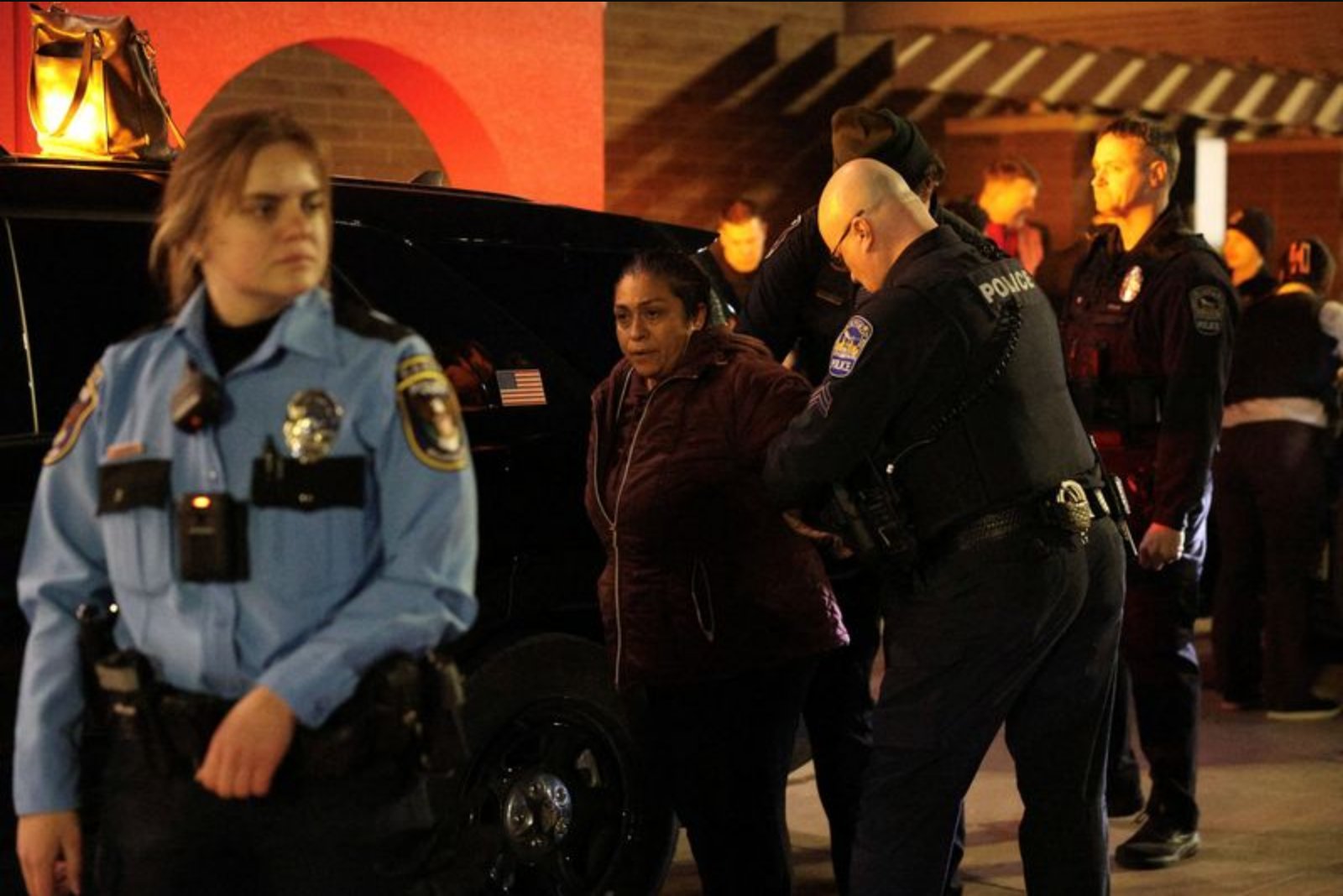
Federal immigration enforcement activity in the Twin Cities metropolitan area set off a chain of incidents that included fatal shootings, mass demonstrations, lawsuits and criminal inquiries. Officials announced a reduction of federal personnel after weeks of volatile encounters that drew national attention.
Timeline of events
December 1, 2025: The federal government initiated Operation Metro Surge to substantially increase "at-large" arrests of people in the Twin Cities metropolitan area believed to be in the country illegally. The action followed public accusations by the President and other federal officials alleging fraud by members of Minnesota's Somali community involving millions of federal dollars intended for social services. The operation ultimately deployed nearly 3,000 additional federal officers and agents to the region.
December 18: Minneapolis' police chief publicly criticized federal immigration officers after an incident in which officers dragged a woman along a snowy city street and brandished a firearm toward onlookers, some of whom were recording the scene. U.S. Immigration and Customs Enforcement stated that its agents arrested two U.S. citizens for assaulting federal officers in connection with the event.
January 7: Renee Good, a 37-year-old mother of three who had been observing the operations of immigration officials, was shot and killed in her car by an ICE agent in Minneapolis. The killing sparked protests and intense debate. State investigators reported they were excluded from the federal inquiry into the shooting.
January 8: Amid the reactions to Good's death, a separate incident occurred in Portland, Oregon, where a U.S. border agent shot and wounded two people during a vehicle stop.
January 11: Tens of thousands of protesters gathered in Minneapolis and in other U.S. cities as part of more than 1,000 rallies organized to oppose the administration's deportation campaign.
January 12: The state of Minnesota filed suit against the federal administration seeking to block the surge of immigration-enforcement officers. The lawsuit accused the administration of racially profiling residents and of targeting Minnesota because of its Democratic political leanings. A similar legal action was filed by Illinois, which had experienced an enforcement effort named Operation Midway Blitz in 2025.
January 13: At least a dozen federal prosecutors indicated plans to leave the U.S. Justice Department in response to the handling of Good's shooting and other civil rights-related matters.
January 16: Minnesota Governor Tim Walz and Minneapolis Mayor Jacob Frey accused the federal administration of weaponizing the Justice Department after reports emerged that the agency had opened a criminal investigation into them and other state officials over an alleged conspiracy to impede immigration agents.
January 20: ICE agents detained five-year-old Liam Conejo Ramos and his father, both Ecuadoreans who had entered the U.S. legally as asylum applicants, as they returned home from preschool. The father and son were taken to a family detention facility in Texas. In the same week, ICE agents apprehended three other students from Liam Conejo Ramos' school district.
January 22: Federal agents arrested three Minnesotans who participated in a demonstration inside a church aimed at a pastor alleged to have ties to ICE leadership. The matter later expanded: eventually nine people, including a former national news host who had been covering the protest, faced federal charges alleging violations of religious rights related to the demonstration, a development that concerned First Amendment advocates.
January 24: Federal immigration officers fatally shot Alex Pretti, an intensive-care nurse who was attempting to assist other protesters. Video of the encounter shows Pretti holding a cellphone while being wrestled to the ground by agents and an officer removing a firearm from Pretti's body shortly before the first shots were fired.
January 26: The administration confirmed that Tom Homan would assume leadership of Operation Metro Surge, replacing Gregory Bovino, a senior U.S. Border Patrol official who had drawn criticism from Democrats and civil liberties groups. Following a private telephone discussion between the President and Governor Walz, both leaders signaled a reduction in tensions and expressed a mutual effort to defuse the situation.
February 4: The administration reported that roughly 700 federal immigration-enforcement agents had been withdrawn from Minnesota, leaving about 2,000 agents still in the state.
February 12: Tom Homan, the White House border czar, announced that the President had agreed to end the enforcement surge in Minnesota and to draw down thousands of federal agents whose presence had provoked tumultuous protests for weeks.
Aftermath and continuing developments
The sequence of events includes multiple legal filings by state governments, departures signaled by federal prosecutors, criminal investigations targeting both state officials and demonstrators, and fatal shootings that triggered protests and debate. Several matters remain under inquiry by federal authorities, and public demonstrations have occurred repeatedly in multiple cities.
Contextual note
The account above records the publicly reported sequence of actions, incidents and legal responses tied to Operation Metro Surge as announced and unfolded. Some investigations and legal proceedings referenced remain ongoing, and officials have at times clashed over access to investigative processes.