
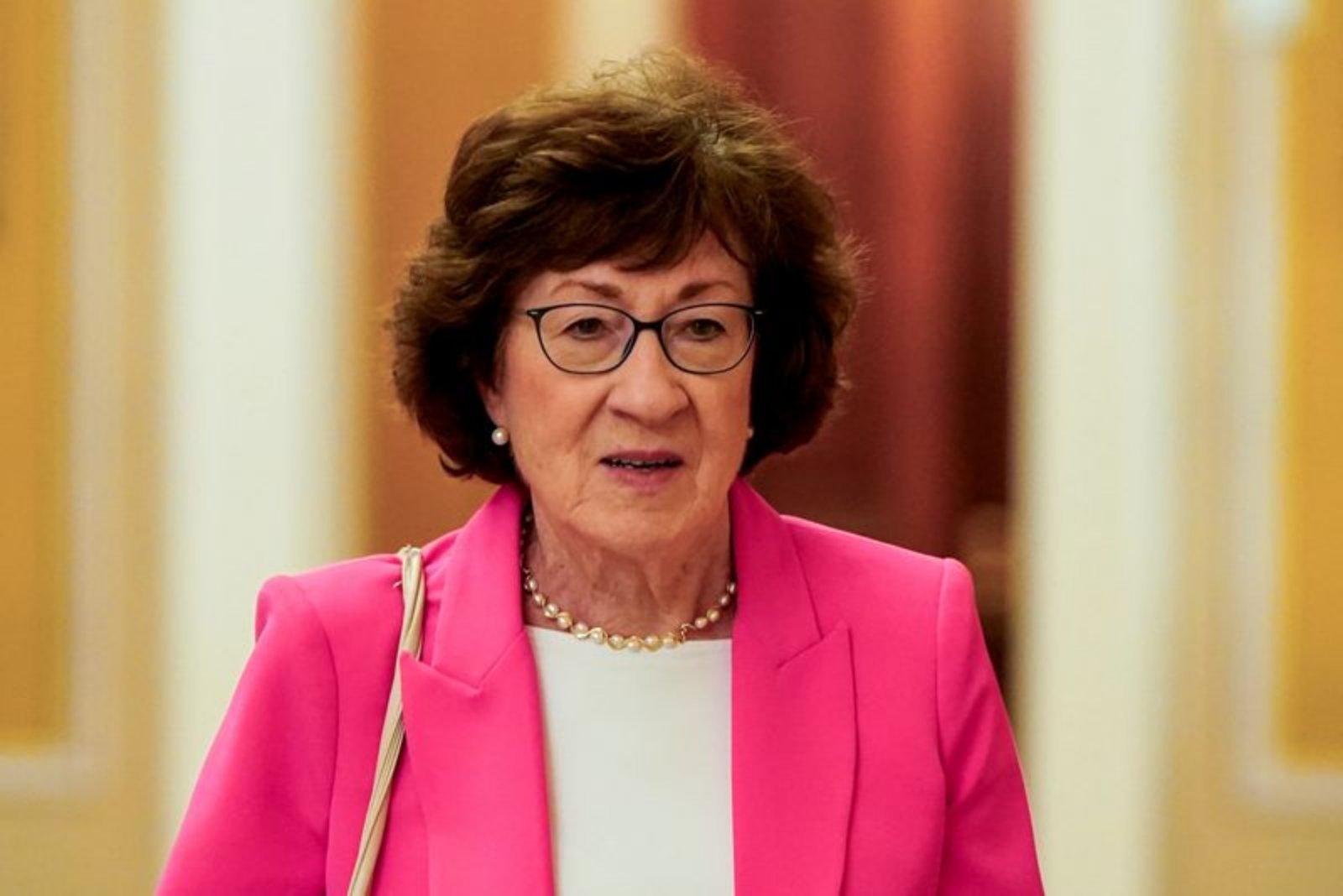
Republican U.S. Senator Susan Collins on Tuesday declared she will seek a sixth term in the November midterm elections, formally launching a campaign that had been the subject of public speculation. Her entry into the race clears up uncertainty about her plans and establishes a high-profile contest for the Senate seat in Maine.
Collins framed her bid as a choice for stability and effectiveness in a capital she described as dysfunctional. In an op-ed published in the Bangor Daily News, she argued: "At a time when Washington seems broken and trust is low, Maine needs experienced, steady leadership and a senator committed to the hard work it takes to get things done."
The 73-year-old centrist Republican is widely regarded as one of the most vulnerable Senate Republicans this cycle. She faces a competitive re-election campaign in a state where former President Donald Trump lost by nearly seven points in 2024. Top Democratic opponents include Maine Governor Janet Mills and progressive Graham Platner, both of whom have registered strongly in head-to-head polling against Collins, according to RealClearPolitics.
Collins' candidacy comes despite repeated public attacks from Trump, whose opposition complicates Republican efforts to maintain a narrow Senate majority. The president criticized Collins and four other Senate Republicans after they supported a resolution intended to prevent him from undertaking further military action in Venezuela without congressional authorization following the capture of President Nicolas Maduro. In statements on his Truth Social platform, Trump said the five Republicans "should never be elected to office again." Of that group, Collins is the only one facing re-election this year.
Republicans currently hold a 53-47 majority in the Senate, and are widely expected to try to retain control of the chamber during the final two years of the presidential term. Nevertheless, Democratic strategists have grown more optimistic in recent months about their prospects of narrowing the Republican margin or flipping the chamber, with Collins singled out as a principal target.
Observers have noted the influence Trump exerts in Republican primary contests, where his endorsements or criticisms can be decisive. While Trump's attacks on Collins have bolstered Democratic hopes of capturing the seat, there has been no indication in the reporting of the president endorsing a primary challenger to her campaign.
Collins has a recent record of taking positions at odds with Trump and segments of her party. She was one of seven Republicans who voted to convict Donald Trump in his second impeachment trial. Yet she also proved resilient politically during her 2020 campaign, winning re-election despite facing sharp criticism from Trump on several fronts - including her opposition to Republican healthcare legislation and her stance during his nomination of Amy Coney Barrett to the Supreme Court.
When asked about Trump's critique, Collins told reporters she "guessed Trump 'would prefer to have Governor Mills or somebody else.'" Her campaign launch means Maine voters will decide whether to reward a senator who emphasizes experience and pragmatic problem solving or to move in a different direction in a state that has recently shown Democratic-leaning results at the presidential level.
Context and implications
Collins' re-election bid matters to both parties because of the Republican majority's slim margin. The contest in Maine will draw national attention and resources as Democrats view the seat as winnable and Republicans seek to defend a vulnerable incumbent. The debate over the Venezuela resolution and Trump's public rebuke highlight intraparty tensions that could shape primary dynamics and general election messaging.