
A participant in the January 6, 2021, attack on the U.S. Capitol who was later pardoned by President Donald Trump entered a guilty plea on a misdemeanor harassment count on Thursday, according to prosecutors.
Christopher Moynihan, 35, pleaded guilty in a hearing held in Clinton, New York. Court officials said he will be sentenced in April. His legal representative could not be reached for comment immediately.
Dutchess County District Attorney Anthony Parisi issued a statement highlighting the criminal nature of the conduct, saying, "Threats against elected officials are not political speech, they are criminal acts that strike at the heart of public safety and our democratic system."
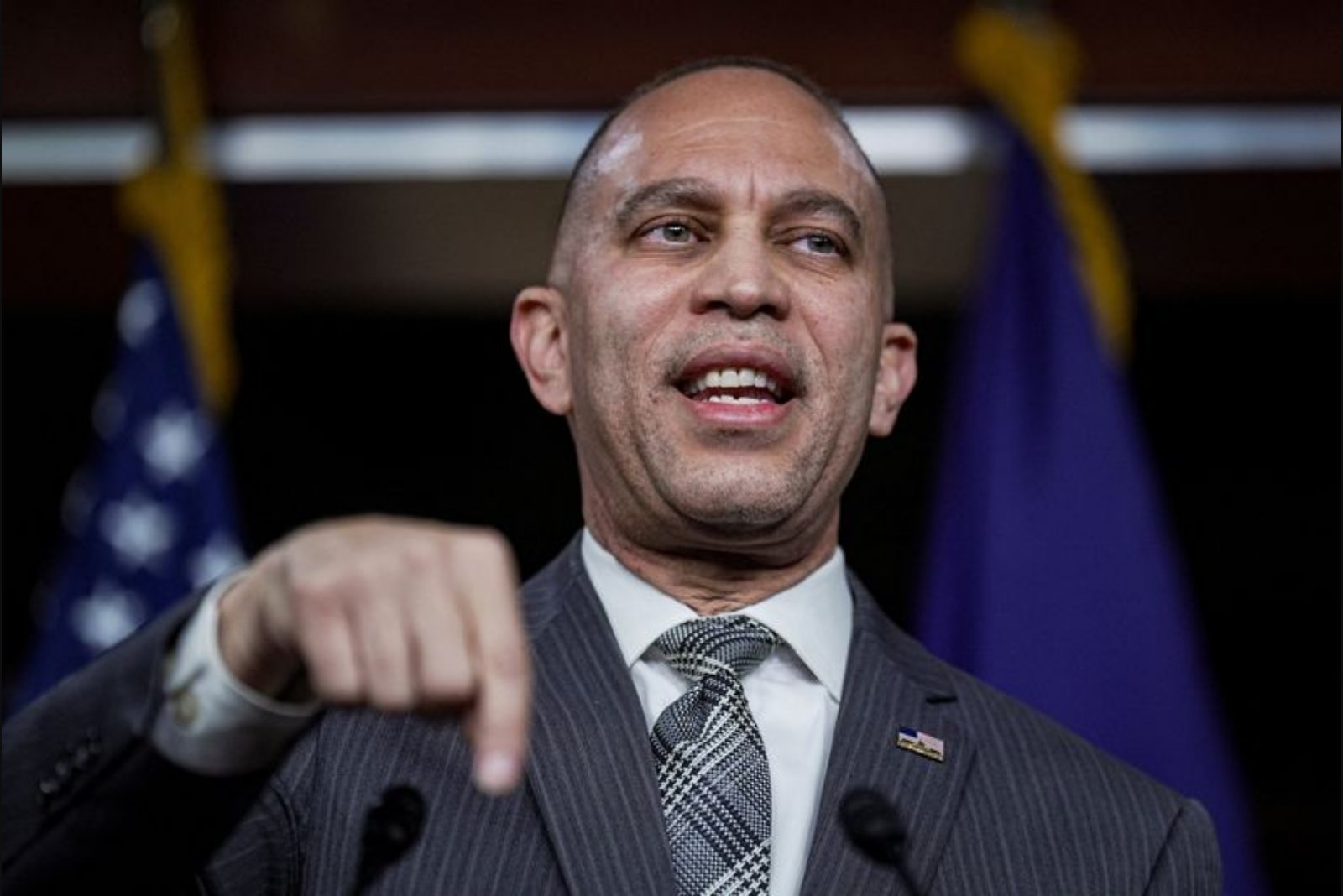
Prosecutors say Moynihan, who was identified as 34 in court documents related to an earlier stage of the case, was charged in October after sending text messages that threatened to kill U.S. House Minority Leader Hakeem Jeffries ahead of an appearance the leader was scheduled to make in New York City. A complaint filed in New York state court in Clinton quoted the messages, which read: "Hakeem Jeffries makes a speech in a few days in NYC I cannot allow this terrorist to live. ... I will kill him for the future,"
According to the complaint, those messages "placed the recipient in reasonable fear of the imminent murder and assassination of Hakeem Jeffries by the defendant." The harassment charge to which Moynihan pleaded guilty is a misdemeanor.
Moynihan previously faced federal charges in connection with the Capitol breach. In February 2023, he was sentenced to 21 months in prison on counts that included obstruction of an official proceeding, a felony tied to the January 6 events.
Prosecutors have noted that Moynihan was among nearly 1,590 people who have been charged over the January 6, 2021, storming of the Capitol by supporters of former President Trump. The lawmakers’ certification of President Joe Biden’s 2020 election victory was the objective critics say rioters sought to prevent.
On his first day back in office last year, President Trump issued pardons covering nearly everyone who had been criminally charged for participating in the Capitol attack, an action described by his administration as an expression of solidarity with supporters who maintained his false claim of victory in the 2020 election. Despite that broad clemency action, law-enforcement and watchdog reports indicate that some individuals linked to January 6 have since been re-arrested, charged or sentenced on other offenses.
This case illustrates ongoing legal activity connected to the January 6 prosecutions and highlights the continued enforcement attention on threats directed at public officials. Sentencing in the current harassment matter is scheduled for April.