
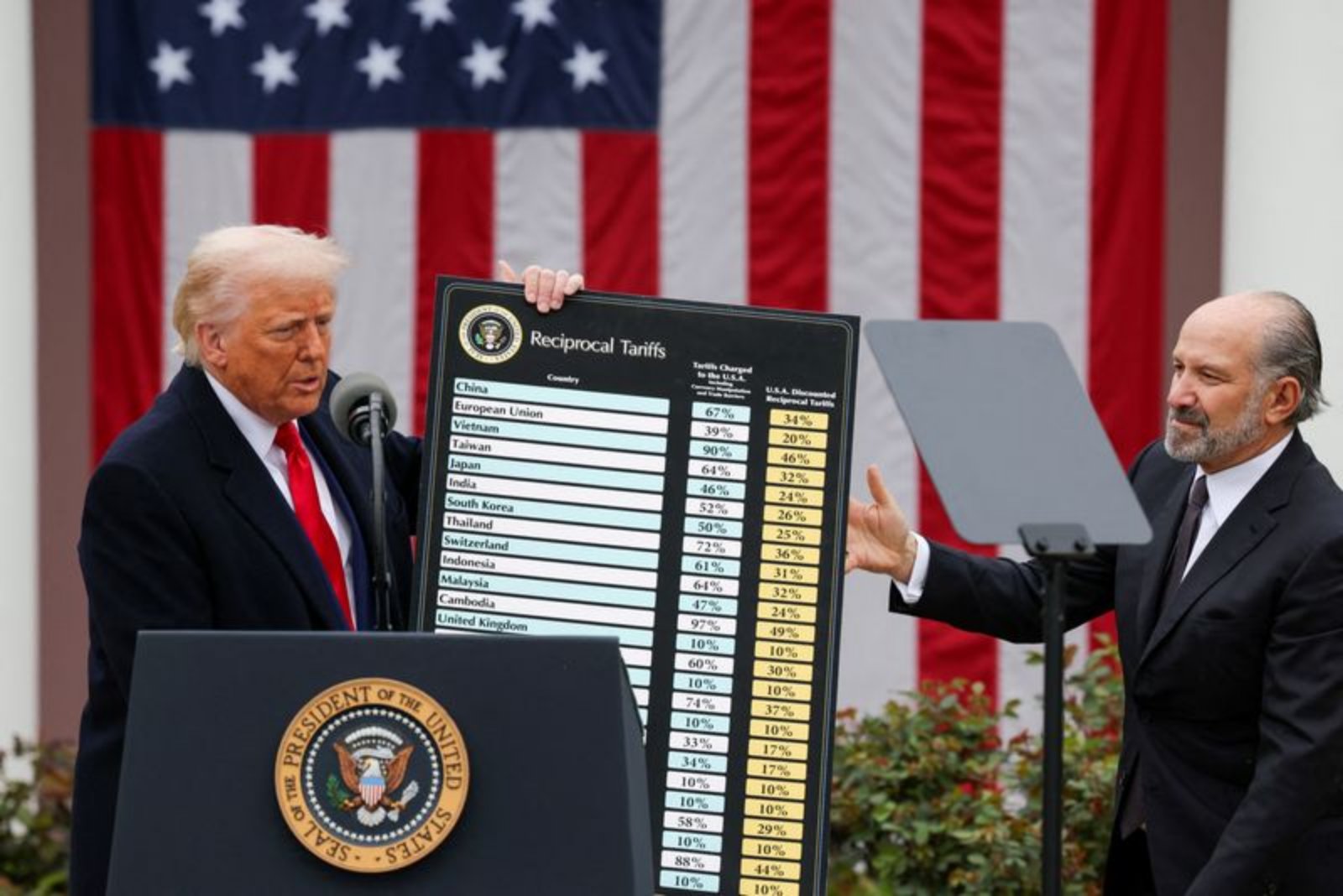
A closely contested vote in the U.S. House of Representatives on Tuesday rejected a Republican proposal to prohibit congressional challenges to the tariffs imposed by President Donald Trump, a procedural outcome that could allow Democrats to move quickly to repeal those trade measures.
The measure to block tariff-related resolutions through July 31 was defeated 217-214. Three Republicans joined 214 Democrats in voting against the prohibition. The ban had been packaged inside a rule intended to open debate on three unrelated bills.
The defeat removes a barrier Republicans had sought to preserve. Supporters of the ban had argued that limiting procedural challenges would prevent repeated attempts to overturn tariffs while the legal status of the measures is under scrutiny. Opponents said the move would shut down debate and deny lawmakers a chance to respond to the cost impacts of tariffs on households and businesses.
Republican dissent and a consumer-focused critique
One of the Republicans who voted against the ban, Representative Don Bacon of Nebraska, said he did not favor pausing the House’s broader work, but emphasized the need for congressional debate over tariffs. He described tariffs as a "net negative" for the economy and characterized them as a significant tax borne by American consumers, manufacturers, and farmers. The lawmaker made those remarks on X.
Political implications for House leadership
The vote underscores the precarious arithmetic facing House Speaker Mike Johnson. With a 218-214 Republican majority, Johnson cannot afford to lose more than one Republican vote on any measure that Democrats oppose if he expects to advance legislation without Democratic support.
Democrats signaled they could call for a vote as soon as Wednesday to terminate the administration's use of a national emergency to impose punitive tariffs on Canadian goods. They also hold resolutions aimed at overturning tariffs applied to Mexico and other countries.
Earlier in the day, the Speaker had told reporters he expected the rule to pass, saying it was necessary in light of an anticipated Supreme Court ruling on the legality of the tariffs. That expectation proved optimistic when the prohibition failed on the House floor.
History of the procedural rule and cost concerns
House Republicans initially adopted a rule barring tariff challenges last March and subsequently extended that protection through January. The rule lapsed after encountering resistance from some Republicans concerned about the financial burdens tariffs impose on American households and on U.S. companies that depend on international trade.
Recent analyses cited in debate estimated the household cost of tariffs. The Yale Budget Lab indicated a median annual cost of about $1,400 per U.S. household. The nonpartisan Tax Foundation offered an estimate of $1,000 per household for 2025, rising to $1,300 this year, according to a report released last week.
The immediate effect of Tuesday's vote is procedural: it restores the House's ability to consider and potentially pass resolutions that would unwind tariffs enacted under the national emergency declaration. The policy and market consequences of any such legislative action would follow from subsequent votes and legal developments.
Key points
- The House voted 217-214 to defeat a Republican-led prohibition on tariff-related challenges through July 31, with three Republicans opposing the ban alongside Democrats.
- Democrats may seek a House vote to terminate the national emergency invoked to impose tariffs on Canadian goods and have parallel measures concerning Mexico and other nations.
- Sectors likely to feel direct impact include consumers, manufacturers, farmers, and U.S. companies relying on international trade, given the cost estimates cited during debate.
Risks and uncertainties
- Uncertainty over the outcome of any House votes to overturn tariffs, and how quickly such measures could be considered and resolved - this affects markets tied to cross-border trade and supply chains.
- The prospect of an imminent Supreme Court ruling on the legality of the tariffs adds legal uncertainty that could shape congressional strategy and market responses.
- Speaker Johnson's narrow Republican majority creates political risk for advancing measures opposed by Democrats, given the small margin for defections among House Republicans.