
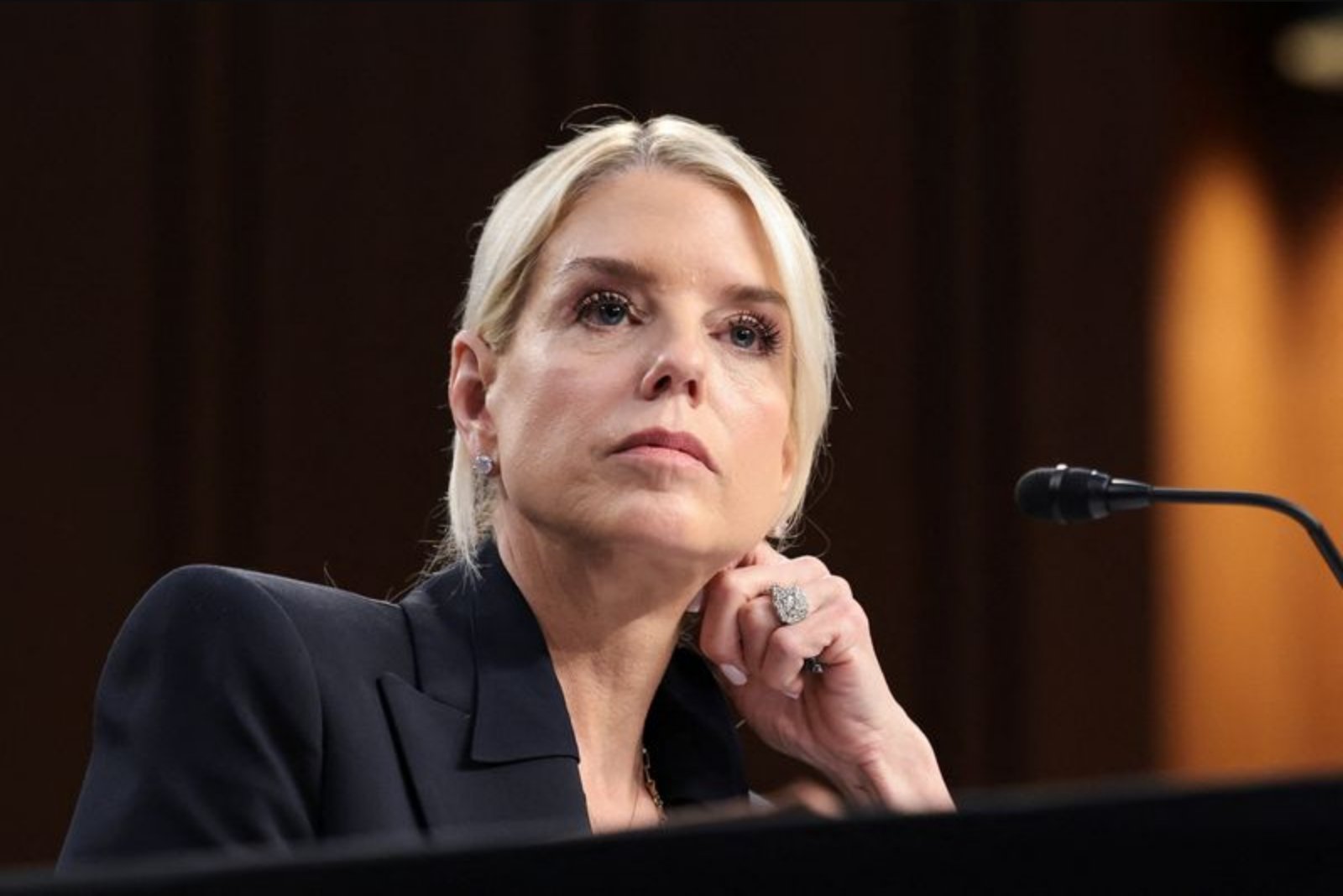
U.S. Attorney General Pam Bondi will appear before the House Judiciary Committee on Wednesday, where committee members are expected to raise detailed questions about the Justice Department's treatment of material connected to financier and convicted sex offender Jeffrey Epstein.
The department released what it called a final tranche of more than 3 million pages late last month. That release renewed congressional attention to individuals who kept ties to Epstein following his conviction for soliciting prostitution from a minor. Despite the volume of material made public, lawmakers have voiced frustration with the extent of redactions in the files and with the department's decision to withhold large swaths of records on grounds of legal privilege.
Congress passed a law in November that, according to lawmakers, requires the release of nearly all such files. Some members of both parties have argued that the redactions they observe in the released documents appear to exceed the narrow exemptions enumerated in that statute. The Justice Department has defended its approach by saying redactions were needed to protect Epstein's victims, though the public release did include some victims' names.
Bondi's handling of the Epstein materials has been a recurrent issue since she became attorney general. The department's choice last summer to initially withhold further material provoked strong reactions from some supporters of President Donald Trump and sparked renewed attention to the former president's past association with Epstein, who died in 2019 while awaiting trial on sex trafficking charges.
The oversight hearing offers Bondi a platform to address critiques of her stewardship of the Justice Department, which has undergone personnel and policy shifts to align more closely with the administration's priorities. Committee members are expected to probe the department's internal changes, including instances where its traditional independence in criminal investigations has been questioned. The article of concern cites the department's pursuit of legal action against officials who investigated or scrutinized President Trump - including efforts to prosecute former FBI Director James Comey and New York Attorney General Letitia James - cases the department unsuccessfully pursued and is now appealing after a judge dismissed them.
Recent investigative activity has also included seizures of 2020 election ballots in Georgia as agents pursued allegations tied to the former president's claims of widespread voter fraud.
Bondi is likely to face additional interrogation regarding the Justice Department's role in immigration enforcement operations in Minnesota. The U.S. Attorney's Office in Minneapolis has been described as under heavy strain while the department defends numerous immigration cases and prosecutes individuals accused of interfering with federal agents. The article notes the Justice Department's civil rights unit has been sidelined in some matters, declining to investigate the killing of Renee Good by a federal agent and conducting only a limited inquiry into the fatal shooting of another demonstrator, Alex Pretti.
Wednesday's hearing will therefore encompass a mix of document-release controversies tied to Epstein, broader questions about prosecutorial priorities and independence, and operational pressures within the Justice Department's U.S. Attorney offices and civil rights units. Bondi's testimony will allow lawmakers to press for explanations on why large volumes of documents remain unpublished, how redaction decisions were made, and how the department is balancing victim protections with statutory disclosure mandates.