
Lead
Ukraine and the International Monetary Fund have reached an agreement to soften several conditions attached to a planned $8.2 billion lending arrangement, according to Prime Minister Yulia Svyrydenko. The modification includes a narrowing of proposed tax increases that had been among the most politically sensitive elements of the deal.
Programme review and international support
Svyrydenko said the IMF board is expected to examine the programme at its next meeting. Approval by the board is depicted by her office as central to releasing other international assistance, including a 90-billion-euro loan from the European Union. The IMF and Ukraine had reached a staff-level agreement on the four-year lending programme in November; the recent discussions produced simplified agreements and revisions to some structural benchmarks.
Context - wartime pressures on the economy
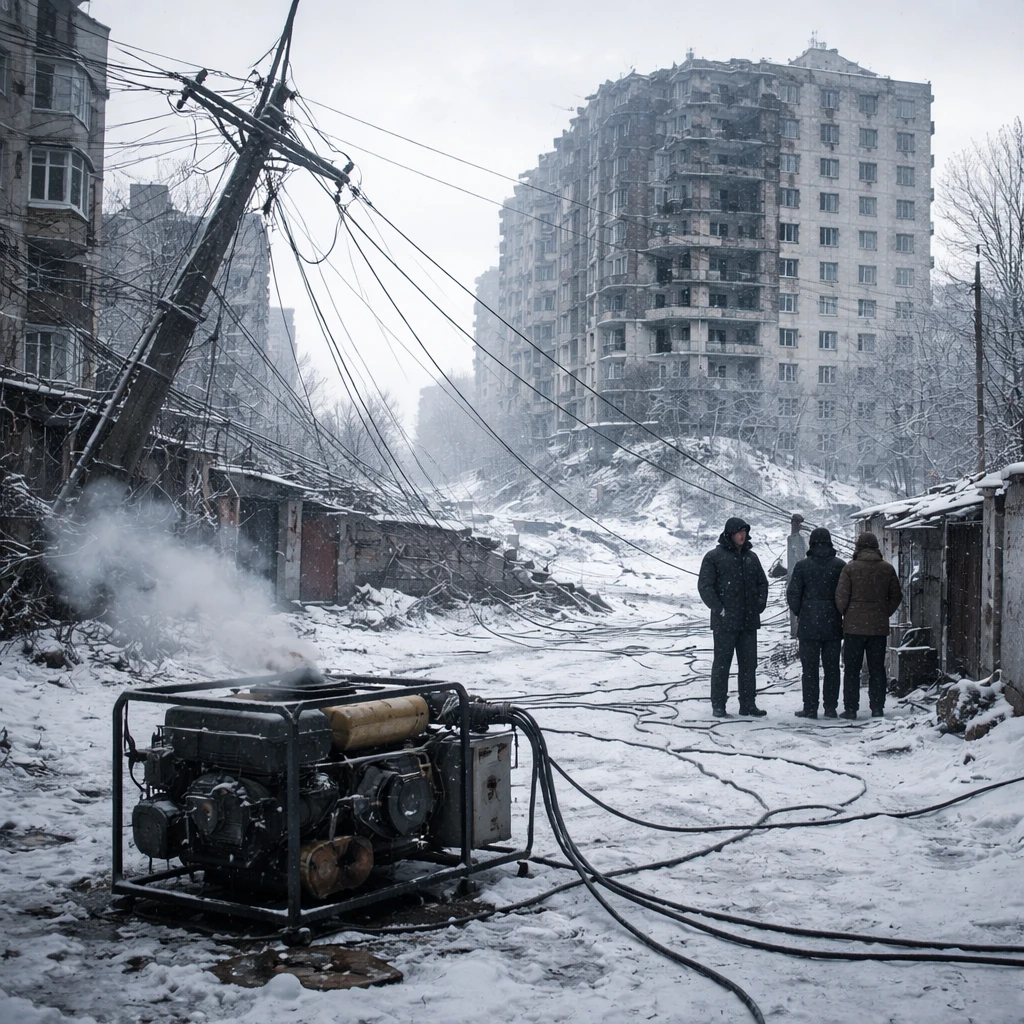
As the conflict with Russia continues into its fifth year, Ukraine remains dependent on Western financial aid to maintain its defence posture, keep public services and the economy functioning, and fund wages and pensions. In recent months the country’s economic situation has deteriorated as intensified Russian airstrikes damaged energy infrastructure and other critical systems, leaving millions without power, heat and water during a severe winter.
To sustain operations, Ukraine has relied on costly imports of energy and electricity produced by generators. Those measures helped firms remain open, but many businesses cut working hours and reduced output, prompting a review of economic projections. Reflecting the larger-than-expected energy shortfall, the central bank revised down its 2026 GDP growth forecast to 1.8% from 2%.
Tax measures and the change in scope
According to Svyrydenko, the most contentious part of the IMF package concerned taxation of individual entrepreneurs. The government has agreed to introduce a value-added tax for this group while substantially raising the revenue threshold that triggers the tax. The threshold would be lifted to 4 million hryvnias from 1 million hryvnias. Under the revised plan, analysts estimate that roughly 250,000 entrepreneurs will be affected, a marked reduction from the more than 600,000 anticipated under earlier proposals.
Svyrydenko added that the government is discussing these adjustments with lawmakers as it prepares draft legislation that will include other tax increases.
Outlook and dependencies
The programme’s progress hinges on IMF board approval at its upcoming meeting; that endorsement is portrayed as a gateway to additional international financial support, including the EU loan. Ukraine’s near-term economic trajectory remains closely tied to the persistence of energy outages and the capacity to maintain public spending while under wartime conditions.
($1 = 0.8427 euros)