
India’s private sector recorded stronger momentum in February as goods producers drove expansion, according to HSBC’s flash India Composite Purchasing Managers' Index (PMI), compiled by S&P Global. The composite reading rose to 59.3 in February from 58.4 in January - the strongest reading in three months and above a poll median forecast of 59.0. The 50 mark separates expansion from contraction.
The improvement was supported by a brisk rise in total new orders, which climbed at the quickest pace since November. Firms attributed rising demand to robust domestic consumption, local tourism and intensified marketing efforts. International sales also strengthened, increasing at the fastest pace in five months and contributing to overall demand.
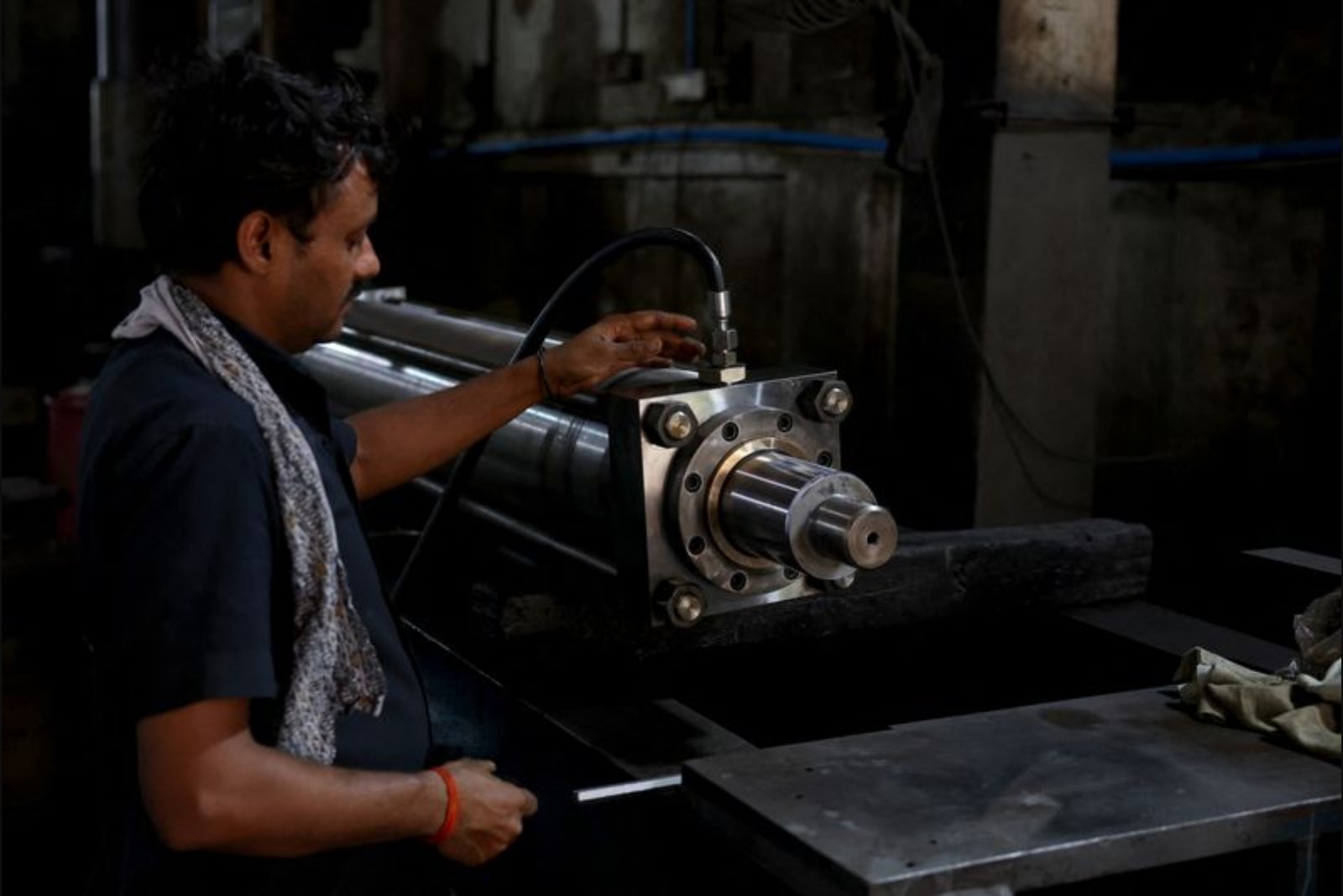
Manufacturing outperformed in many respects. Goods producers reported a sharper rise in sales that translated into output growth reaching a four-month high. The preliminary headline reading for the manufacturing PMI increased to 57.5 from 55.4 in January.
By contrast, services firms saw growth in new business ease to a 13-month low, even though they continued to outperform manufacturers on export orders. The services PMI was little changed, registering 58.4 in February versus 58.5 in January.
Stronger sales supported faster hiring, and firms’ optimism about activity over the next year improved to its strongest level in a year. Companies signalled increased staffing in response to demand trends across both goods and services.
Price pressures intensified across the surveyed firms. Input costs rose at their fastest rate in 15 months and pushed overall output charge inflation to a six-month high. Services companies experienced the steepest rise in input price inflation in two-and-a-half years, while factory input price inflation was unchanged from January.
The combination of solid private-sector growth and rising costs, particularly within services, will likely keep the Reserve Bank of India cautious. Retail inflation rose 2.75% last month after the statistics ministry updated the consumer price index basket and shifted the base year to 2024. Against that backdrop, the central bank is expected to hold its key policy rate at 5.25% this year, according to a recent survey.
Implications and context
The data point to a private sector that is expanding firmly but facing elevated input-cost trajectories, which could temper policy flexibility. Manufacturing-led gains underpin output and hiring, while services show signs of cooling in new business growth even as exports remain a relative strength.