
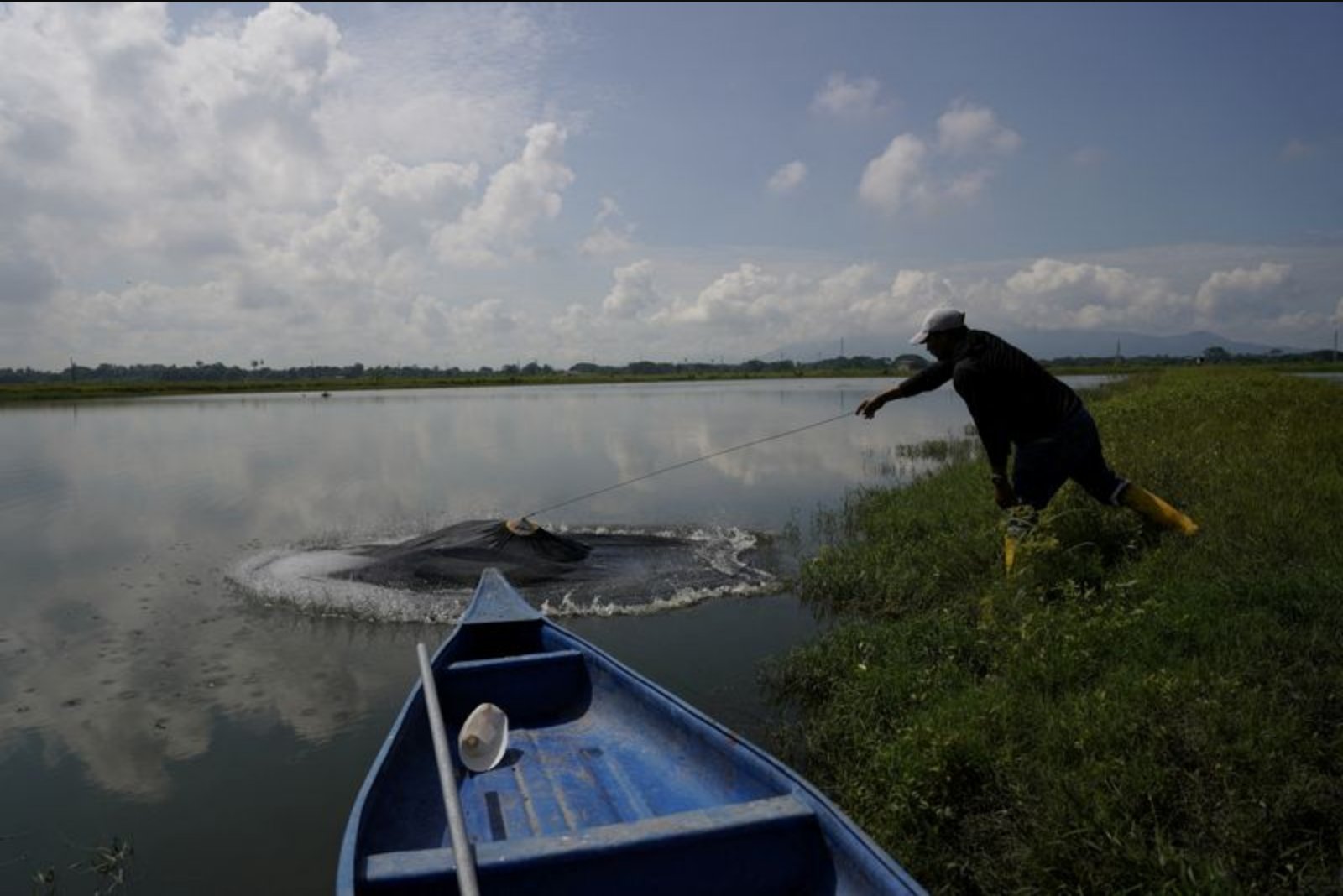
Ecuador's shrimp export revenues climbed 20% year-on-year in 2025 to $8.4 billion, marking a record for the sector and positioning shrimp ahead of crude oil as the country’s top export, industry officials said. The rise follows steady investment in aquaculture in recent years and a temporary competitive edge in the U.S. market linked to tariff changes, according to the head of Ecuador’s Aquaculture Chamber.
Government figures show shrimp sales totaled about $7 billion in 2024. Jose Antonio Camposano, president of Ecuador’s Aquaculture Chamber, said tariffs imposed on India by the Trump administration helped lift Ecuadorian shipments to the United States because Ecuador benefited from a lower tariff rate in that market.
"It was a marginal effect because it only impacted the United States," Camposano said in an interview. He added that the industry will monitor developments around the new tariffs imposed and their implications for U.S. market access.
Recent diplomatic and trade developments were referenced by Camposano in describing the shifting tariff landscape. Earlier this month, President Trump said he had reached a trade agreement with India that would sharply reduce U.S. tariffs on Indian goods in return for New Delhi easing trade restrictions and curbing purchases of Russian oil, redirecting those flows toward the United States and potentially Venezuela. Camposano noted that the precise impact of those arrangements on Ecuadorian shrimp sales will depend on how tariffs and trade flows evolve.
China remains Ecuador’s largest market for shrimp, purchasing roughly 48% of the country's output, Camposano said. The industry is also focused on preserving sales to the United States and the European Union while expanding shipments to Japan. "The United States has grown significantly, currently buying 22% or 23% in recent years, and that is because the sector invested to produce value-added products," Camposano said, attributing U.S. growth in part to investments that increased product sophistication.
Despite the headline gain in export revenue, exporters are cautious about the year ahead. Camposano said the sector intends to maintain export volumes and, if conditions allow, target around 5% growth in 2026. He highlighted several sources of uncertainty for market behavior, including aggressive competition from other producers and ongoing tariff questions in the United States under President Trump, which he said create uncertainty for exporters seeking stable U.S. sales.
The rise in shrimp receipts coincides with a downturn in Ecuador’s oil sector. Output and exports of crude have been pressured by a lack of investment and other external factors, with oil exports down 19% to $7.18 billion between January and November of last year. Meanwhile, non-oil exports more broadly have been increasing; government figures show non-oil exports reached $29.4 billion last year, up 18.3% from the prior year, continuing a trend of growth that began in 2023.
Outlook - The aquaculture industry is banking on sustained product development and market diversification to preserve recent gains. Officials say they will watch tariff developments and competitor behavior closely while pursuing incremental volume growth next year.