
Japanese Prime Minister Sanae Takaichi achieved the largest landslide victory in the postwar era after calling a snap election, a result that hands her a substantial mandate to pursue economic measures. Her Liberal Democratic Party secured more than two-thirds of seats in the lower house of parliament on Sunday, a majority that allows passage of legislation without bargaining with other parties or relying on upper house approval.
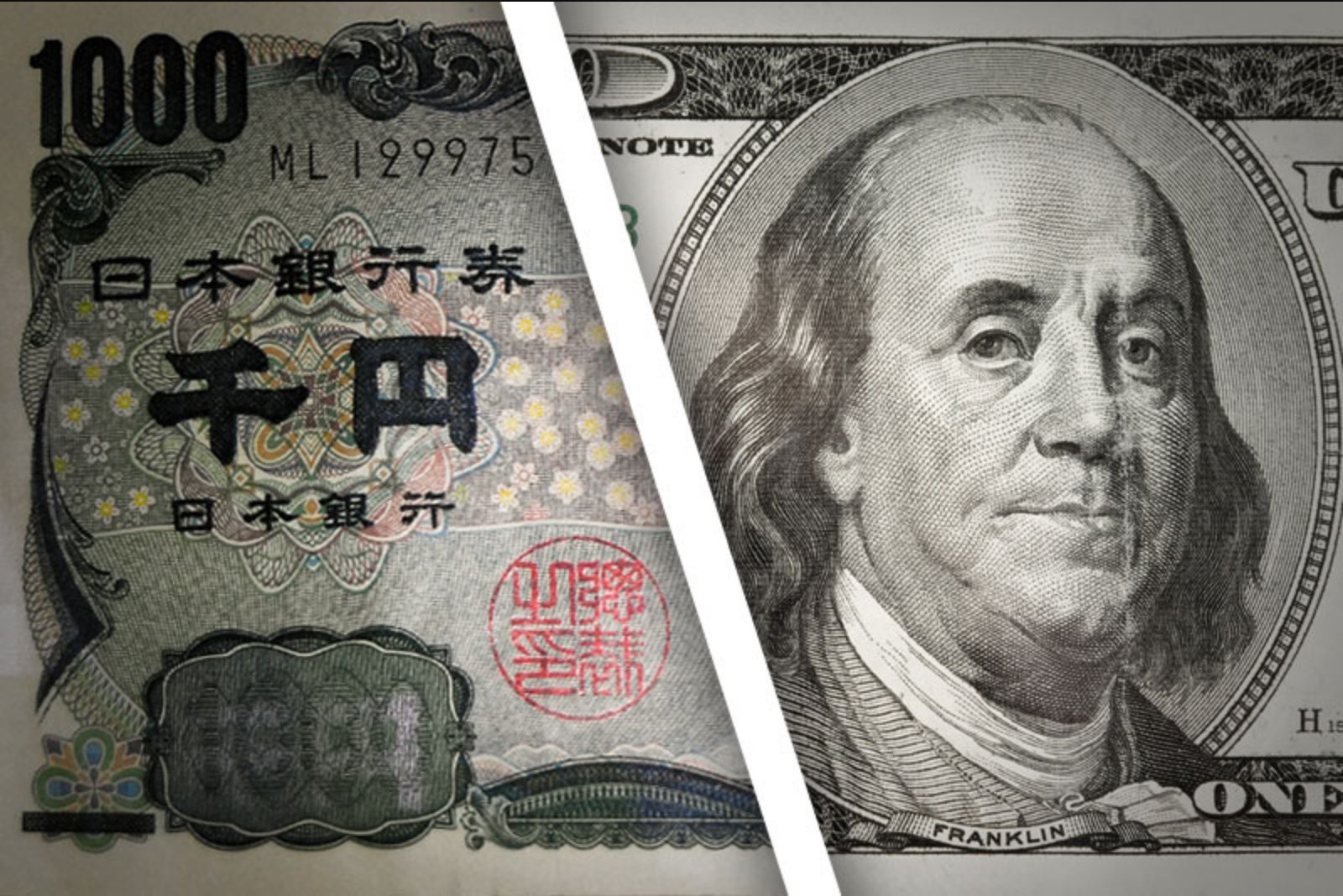
Markets immediately registered the political development. At 08:20 ET (13:20 GMT), the dollar-yen rate fell 0.7% to ¥156.17. That level represents a 1.1% decline over the last month, while still standing 2.7% above where it was 12 months ago.
Analysts at Bank of America Securities, in a note dated Jan. 9, said the election outcome redirects focus for USD/JPY toward the possibility of FX intervention. The bank reiterated its intervention watch-zone at ¥157 to ¥160, a range it views as important for potential official action.
U.S. authorities are reported to have conducted a rate check on USD/JPY in January. The currency pair is currently roughly 1% below the level at which that rate check took place, according to the same account of recent market activity.
Bank of America warned that while the mere prospect of intervention is likely to limit upside in USD/JPY, longstanding structural flows that sell yen mean such caution by itself may not be enough to stop gradual yen depreciation. The bank assesses that the probability of actual FX intervention remains high.
Over a longer horizon, BofA said the risk of a weaker yen remains intact. However, in the nearer term the interplay between potential intervention and the scope for markets to price in Bank of Japan rate hikes at the March and April policy meetings shifts the risk-reward for USD/JPY toward the downside, the note added.
Practically, the current spot rate also presents an operational consideration for Japanese corporations. Ahead of the fiscal year-end, these firms may find the prevailing levels a reasonably attractive point to increase yen-buying hedges.
Contextual note - The political outcome grants the ruling party legislative latitude, and market participants are weighing both official intervention risk and central bank prospects as they set FX positions.