
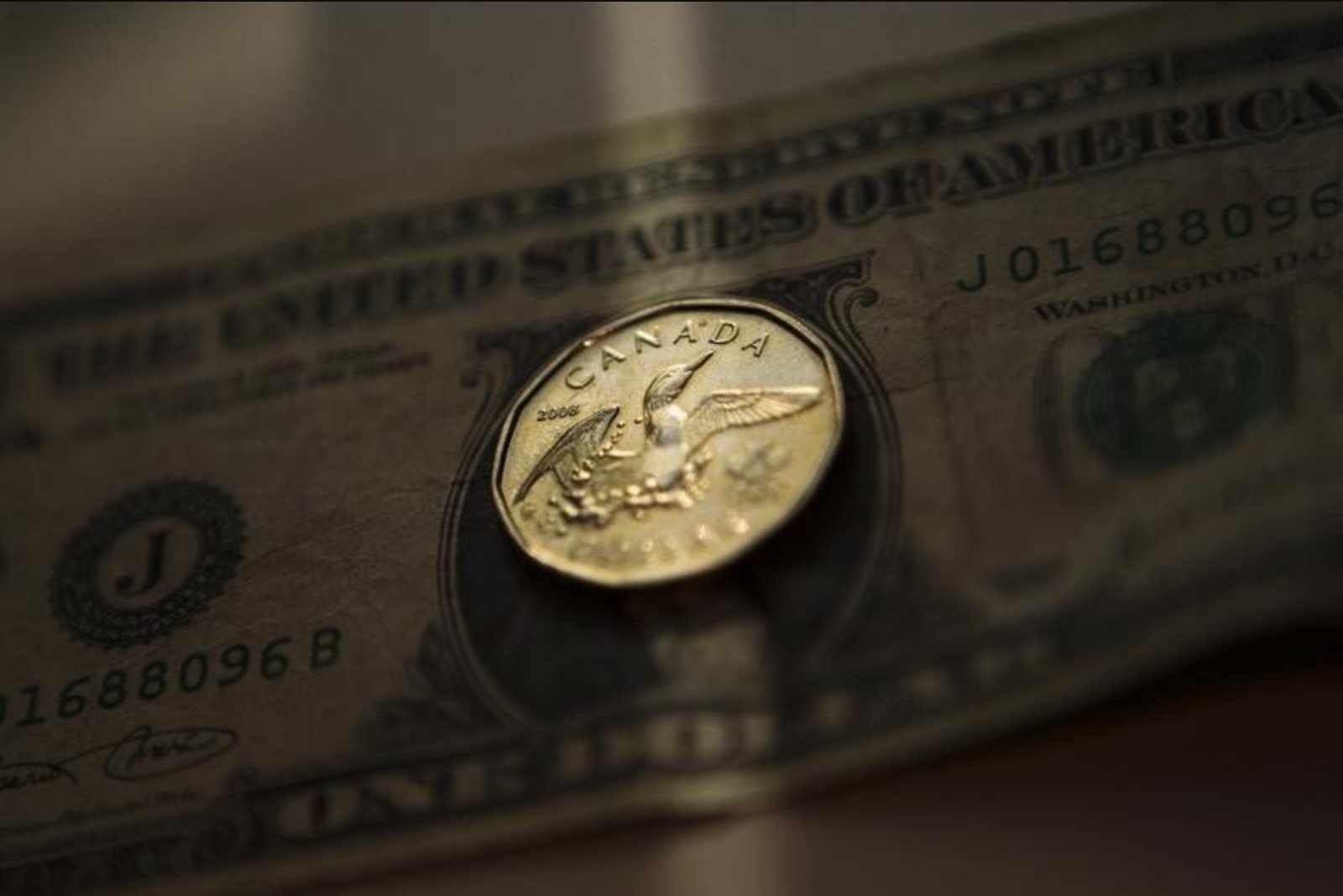
The U.S. dollar has pulled back from recent troughs but remains down by about 9% on a trade-weighted basis versus a year earlier. CIBC economist Avery Shenfeld argues that the popular narrative of a dollar in free fall is amplified by market commentary and online searches rather than by concrete market signs of a systemic run on the currency.
Shenfeld notes that searches and chatter around the idea of "dollar debasement" have been elevated, but he contends that a genuine crisis would already be obvious in other asset markets. In his view, a true loss of confidence would have produced not only heightened interest in safe-haven assets like gold but also a discernible sell-off of U.S. Treasuries.
He highlights a recent divergence in the customary relationship between gold and the dollar. Following the pandemic, that inverse link has not behaved as it historically did: gold posted strong gains through 2024 even as the dollar moved toward a long-term high. That pattern, Shenfeld suggests, means current gold prices cannot be taken as a direct measure of the dollar's health.
"The facts, however boring they might seem, suggest otherwise, and point to no reason to fear dire economic or financial market consequences," Shenfeld wrote, summarizing his assessment. He points to bond-yield levels as evidence; yields do not indicate the type of large-scale exit from dollar-denominated assets that would accompany a genuine debasement scenario.
Monetary policy, he adds, remains a stabilizing influence. The Federal Reserve appears inclined to await clearer signs of economic softening before moving to cut rates, and CIBC expects the FOMC as a whole to privilege economic data over intermittent political calls for a weaker currency designed to aid trade competitiveness.
CIBC frames the likely path for the dollar as a process of mean reversion after a period in which the currency was relatively strong. Investors may continue to diversify into non-dollar assets for portfolio reasons, but the firm finds no empirical support for an extreme payoff driven by dollar debasement, according to Shenfeld.
Market participants and policy watchers will continue to monitor bond yields, gold, and Fed communications for any shift in the signals that Shenfeld identifies as central to determining whether current moves reflect routine revaluation or something more serious.