
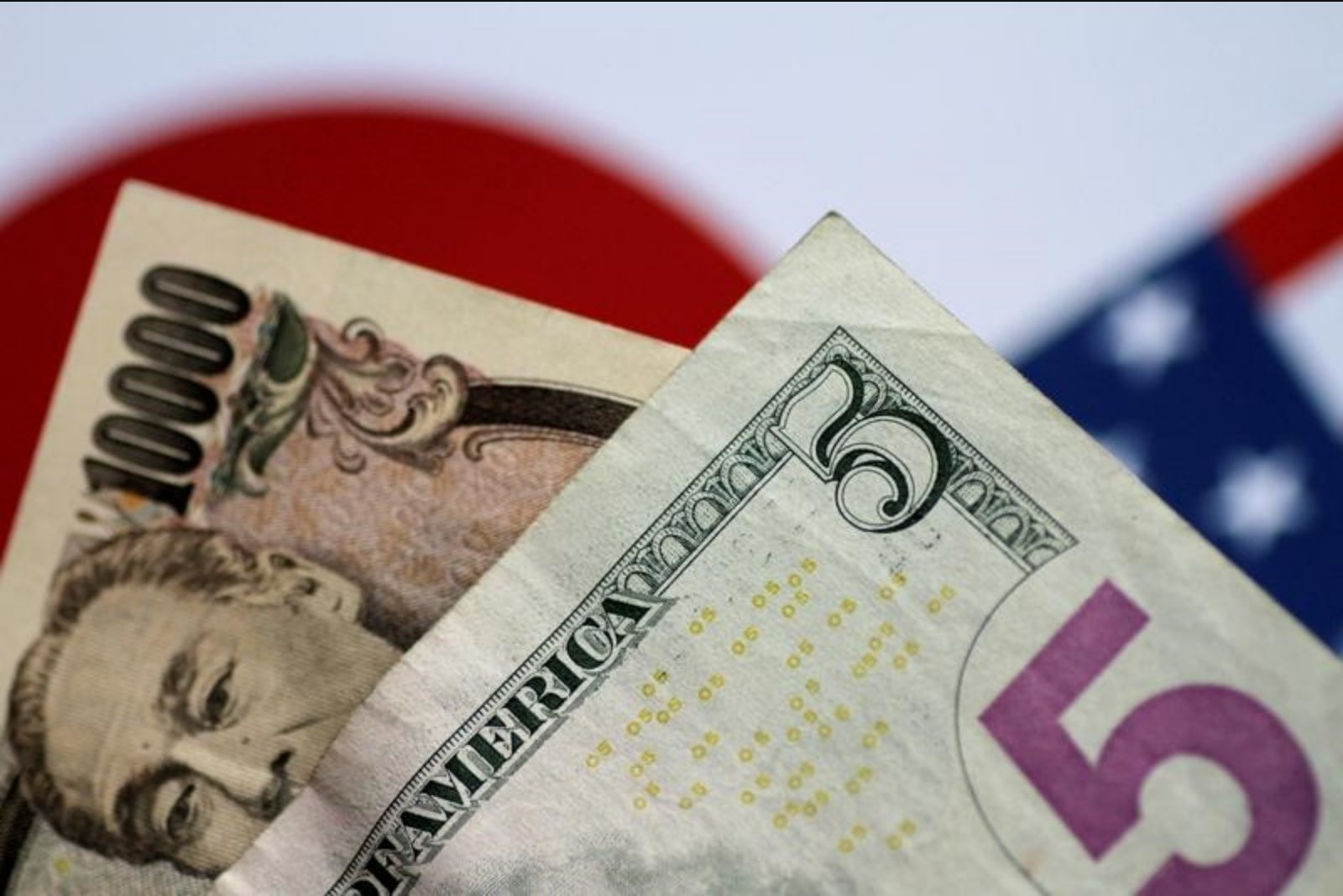
Asian currency markets were largely subdued on Wednesday as the dollar held its ground after a strong rally earlier in the week, while the Japanese yen suffered renewed weakness amid an intensifying domestic political backdrop.
Regional traders continued to assess the potential consequences of U.S. President Donald Trump naming Kevin Warsh as his nominee for Federal Reserve Chair and what that choice might mean for the path of U.S. interest rates.
Yen drifts to near two-week low ahead of election
The USD/JPY pair climbed almost 0.4% on Wednesday and hovered near its highest point in nearly two weeks. The yen has come under pressure following remarks from Prime Minister Sanae Takaichi that revived speculation about whether Tokyo would step into currency markets to bolster the yen.
Attention has shifted to a snap lower-house election scheduled for February 8. Polling and market commentary suggest Takaichi's party is expected to achieve a decisive victory, which would strengthen her hand in parliament.
A commanding majority would allow Takaichi greater latitude to pursue expansionary fiscal measures - a topic that has weighed on the yen in recent months. Market participants have grown more concerned that planned spending could add to Japan's already large government debt picture. Those concerns have been linked in turn to a sell-off in Japanese government bonds and downward pressure on the yen.
Dollar steadies after rebound, more data in focus
The dollar index and dollar index futures were largely unchanged in Asian trade, having recovered sharply from recent four-year lows earlier in the rebound. A brief government shutdown in the U.S. appeared to have limited impact on the currency after lawmakers approved additional government funding this week.
Financial markets moved higher for the dollar on the Warsh nomination, with the pick perceived as less dovish than some had expected. That reaction has been tempered by questions about whether the nominee will be confirmed by the Senate and what his appointment would mean for U.S. interest rates. Current Fed Chair Jerome Powell's term expires in May.
Market attention this week is also focused on upcoming U.S. economic data, particularly January's nonfarm payrolls report.
Regional currency highlights
- The Indian rupee remained positive, with USD/INR steady around the low-90 rupee levels after sliding sharply from recent record highs following a U.S.-India trade deal. Traders are looking ahead to a Reserve Bank of India meeting on Friday.
- The Australian dollar held onto sizable gains recorded on Tuesday after the Reserve Bank of Australia raised interest rates and signalled a hawkish stance.
- The South Korean won saw the USD/KRW pair rise about 0.1%.
- The Chinese yuan was steady, with USD/CNY close to its lowest level since mid-2023.
- The Singapore dollar moved lower, with USD/SGD up roughly 0.2%.
- The Taiwan dollar showed little change, with USD/TWD trading flat.
Overall, Asian currency moves reflected a mix of domestic policy developments, central bank decisions and evolving geopolitical and trade dynamics, while broader direction was shaped by developments in U.S. policy and data.