
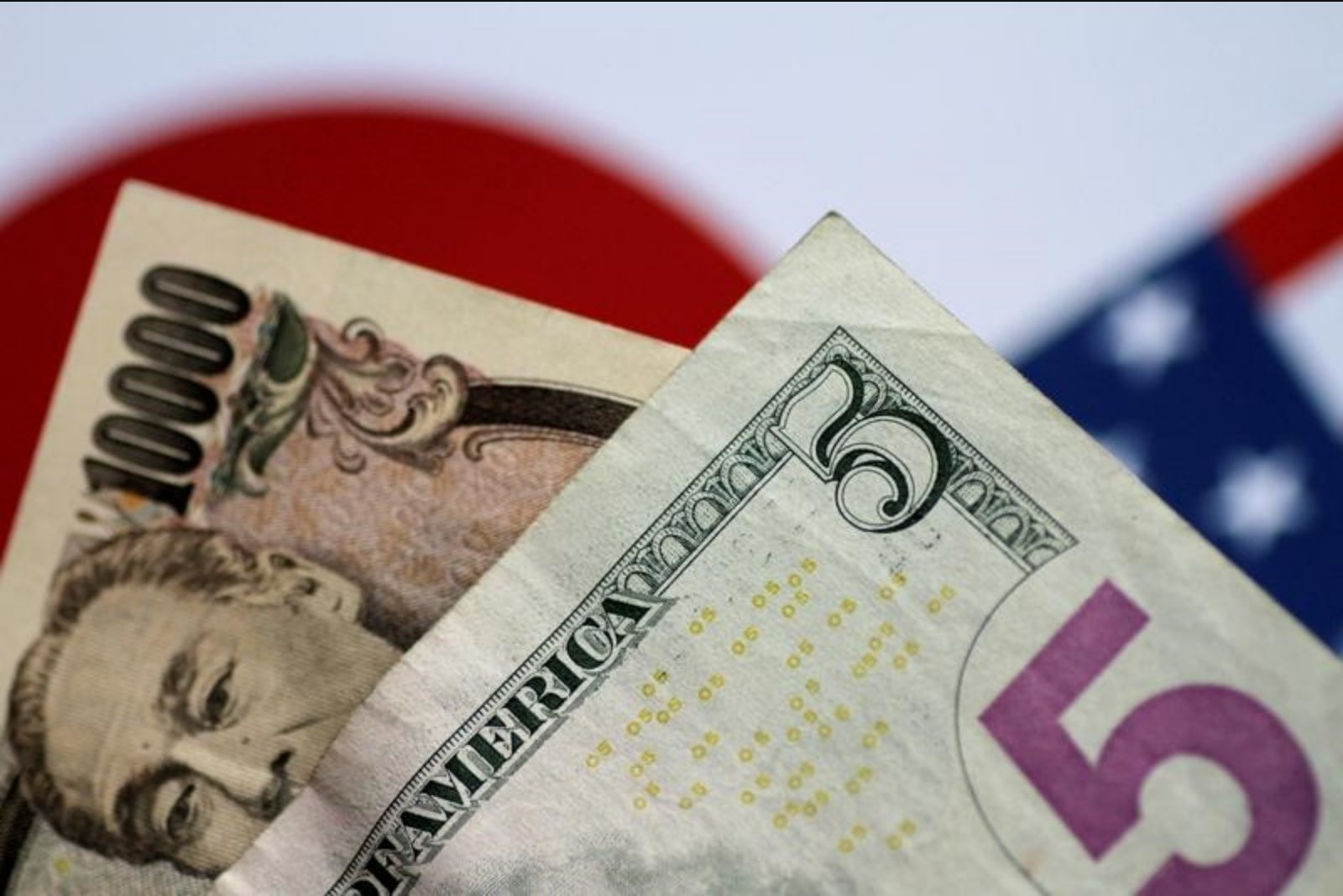
Most Asian currencies strengthened on Tuesday, tracking an overnight slide in the U.S. dollar as traders paused before a string of key U.S. economic releases due later in the week.
The Japanese yen inched higher, adding to gains from the prior session after repeated warnings from government officials that authorities were prepared to step into currency markets. Those statements helped the yen withstand renewed scrutiny over Japan’s large public debt burden following Prime Minister Sanae Takaichi’s decisive victory in recent lower house elections.
Dollar movement and data calendar
The dollar index and dollar index futures were little changed in Asian trading after the greenback fell about 0.7% overnight. That decline left the dollar trading again within sight of a near four-year low recorded in late January.
“In the absence of new catalysts, we would expect more two-sided USD price actions until further guidance from the next Fed Chair. Ahead of US data this week, FX market has settled with a slightly bearish USD bias again,” BofA analysts said in a note.
Market participants are awaiting U.S. retail sales data for December, scheduled later on Tuesday, followed by January nonfarm payrolls on Wednesday and U.S. consumer price index inflation on Friday. These releases will be watched closely for fresh signals on the likely path for interest rates, a dynamic made more sensitive after President Donald Trump nominated Kevin Warsh to succeed Jerome Powell as Federal Reserve chair.
The nomination of Warsh has already influenced market moves: he was perceived as a less dovish choice, a view that earlier triggered a sharp dollar rebound and put pressure on several Asian currencies.
Regional currency moves
Across Asia, the Japanese yen continued a modest recovery. The USD/JPY pair fell 0.3% as the yen recorded two consecutive sessions of gains following government warnings about intervention in currency markets. Those warnings appeared to counteract concerns tied to Tokyo’s elevated debt levels that surfaced after Takaichi’s strong election result.
Takaichi’s ruling coalition now holds a supermajority in the lower house, giving the government scope to enact wide-ranging budgetary and fiscal measures. Much of the anticipated agenda involves increased government spending and potential tax incentives.
The Chinese yuan also strengthened, with the USD/CNY pair down 0.2%. The onshore unit reached its strongest level versus the dollar in more than two-and-a-half years, aided largely by a series of relatively firm midpoint fixes published by Beijing. Chinese CPI inflation data is also due later this week and will draw market attention.
Elsewhere, the Australian dollar’s AUD/USD pair slipped 0.1%, giving up some ground after hawkish commentary from the Reserve Bank had earlier supported the currency. Bank of America strategists said they considered the Aussie’s recent advance to be extended and expected a reversal to be approaching.
The Singapore dollar was unchanged in USD/SGD trading even after revised fourth-quarter gross domestic product figures showed the economy expanded by more than previously expected. The South Korean won strengthened modestly, with USD/KRW down 0.2%. The Indian rupee saw USD/INR fall 0.1%, though the pair remained comfortably above the 90-rupee level.
Outlook and market posture
Overall, gains across Asian currencies were capped by caution as investors awaited the U.S. economic calendar that could reshape expectations for interest rate policy. The combination of pending U.S. data releases and evolving signals about future Fed leadership under the Warsh nomination has left markets with a degree of two-way risk for the dollar.
At the same time, country-specific developments - including Tokyo’s intervention warnings and Beijing’s midpoint fixing policy - have provided localized support for national currencies, constraining some of the dollar’s earlier strength.
Traders will likely remain sensitive to incoming U.S. data and official comments from central banks and governments across the region as the week progresses.