
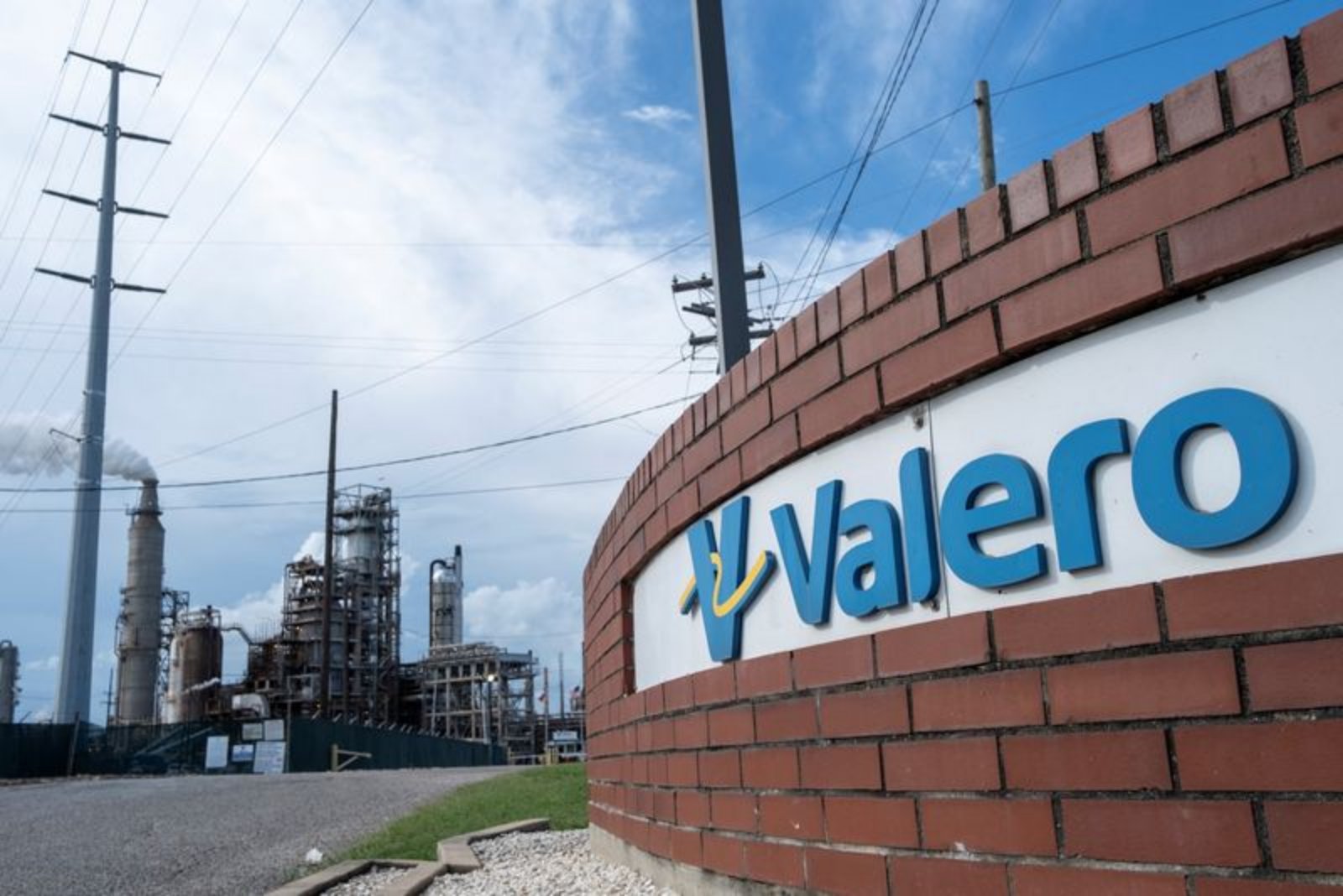
Valero Energy is positioned to import up to 6.5 million barrels of Venezuelan crude during March for delivery to its Gulf Coast refineries, multiple sources told Reuters on Friday. If the planned purchases materialize - about 10 or more tanker cargoes - the company could process the equivalent of roughly 210,000 barrels per day in March, potentially surpassing Chevron as the top U.S. refiner of Venezuelan oil since the United States captured President Nicolas Maduro in January.
The company was among the earliest U.S. refiners to resume accepting Venezuelan crude after Washington reached a flagship $2 billion oil supply agreement with Venezuela's interim government and moved to loosen sanctions. Valero has long had the refining footprint to handle heavy Venezuelan grades and is now arranging purchases from both producers and trading houses.
Sources familiar with commercial arrangements said Chevron is expected to raise its Venezuelan crude exports to about 300,000 barrels per day in March, up from 220,000 bpd in January. Chevron, the only U.S. major still producing oil in Venezuela, typically refines up to half of that volume at its own facilities and sells the balance to other U.S. refiners. Historically, a significant share of Chevron's sales of Venezuelan oil to U.S. refiners has gone to Valero.
For March, most of the volumes Valero is arranging to import are expected to be supplied by Chevron, according to six sources. The refiner has also been negotiating purchases through trading houses such as Trafigura, one of the firms first authorized by the U.S. government last month to join Chevron in trading Venezuelan crude. The trading house negotiations were confirmed by sources who requested anonymity due to the confidential nature of the talks.
In addition, a shipping plan reviewed by Reuters shows Vitol has scheduled three naphtha cargoes destined for Venezuela's state company PDVSA to arrive between February 22 and March 3. The sources cautioned, however, that loading schedules remain unsettled and are subject to change.
When asked about Valero's activity, a company spokeswoman pointed to remarks made by executive Randy Hawkins during the refiner's January 29 fourth-quarter earnings call. Hawkins said Valero was in discussions with authorized sellers of Venezuelan crude and expected that Venezuelan heavy grades would make up a "pretty large part" of its heavy-crude purchases in February and March.
Valero has a substantial U.S. refining network capable of processing heavy Venezuelan oil. Prior to a 2023 expansion at its Port Arthur, Texas, refinery, Valero's total capacity for Venezuelan-style crude was about 240,000 bpd. Hawkins has said the Port Arthur expansion, which raised the refinery's total throughput to 435,000 bpd, positions the company to handle a much larger volume of Venezuelan heavy crude than before.
Several sources told Reuters that Valero has been considering buying directly from PDVSA under the new U.S. authorizations, which could further increase volumes. But according to three sources, PDVSA has so far declined to sell to companies that do not have individual U.S. licenses, as uncertainty remains over what transactions are permitted under the latest guidance.
The U.S. government has issued general licenses since January allowing a range of activities, including oil exports, fuel supplies to Venezuela, the provision of equipment for oil and gas production, oilfield expansions and new investments. Those steps followed a $2 billion supply deal with the interim Venezuelan government that reopened avenues for crude flows under U.S. control.
Venezuela's oil output and exports have rebounded in recent weeks, according to statements from U.S. officials. U.S. Secretary of Energy Chris Wright said this week in Caracas that the country is expected to see a "dramatic increase" in production and exports. Production reportedly reached 1 million bpd this month after the reversal of previous production cuts, while exports rose to about 800,000 bpd in January.
Wright also told NBC News that oil sales from Venezuela under U.S. control have totaled $1 billion since Maduro's capture and that an additional $5 billion is expected to be put into a U.S.-controlled fund in the coming months.
The sources interviewed for this story spoke on condition of anonymity to discuss confidential commercial and operational matters. Vitol and Trafigura declined to comment, while Chevron and PDVSA did not immediately respond to requests for comment.
Summary
Valero is lining up as much as 6.5 million barrels of Venezuelan crude for March deliveries to its Gulf Coast refineries, potentially making it the largest U.S. refiner of that oil since January. The activity follows eased U.S. sanctions and a $2 billion supply deal, and comes amid a reported rebound in Venezuelan production and exports.
Key developments:
- Planned imports of up to 6.5 million barrels in March could equate to roughly 210,000 bpd if Valero secures 10 or more cargoes.
- Chevron is expected to boost Venezuelan crude exports to about 300,000 bpd in March from 220,000 bpd in January and will supply much of Valero's planned volume.
- Valero has negotiated cargoes with trading houses such as Trafigura and is considering direct purchases from PDVSA under new U.S. authorizations, though PDVSA is reportedly resisting sales to parties lacking individual U.S. licenses.
What to watch
- Final loading schedules and confirmations from sellers and shippers, given that planned cargoes remain subject to revision.
- PDVSA's decisions on whether to accept buyers without individual licenses, which could affect volumes available to U.S. refiners.
- How Valero allocates Venezuelan heavy crude within its refining system after its Port Arthur expansion.