
Commodities February 12, 2026

Transit of Russian Oil to Eastern Europe Suspended After January 27 Strike

Ukraine reports fire at Druzhba pipeline section following a Russian attack, halting flows to downstream markets

By Ajmal Hussain
Transit of Russian Oil to Eastern Europe Suspended After January 27 Strike

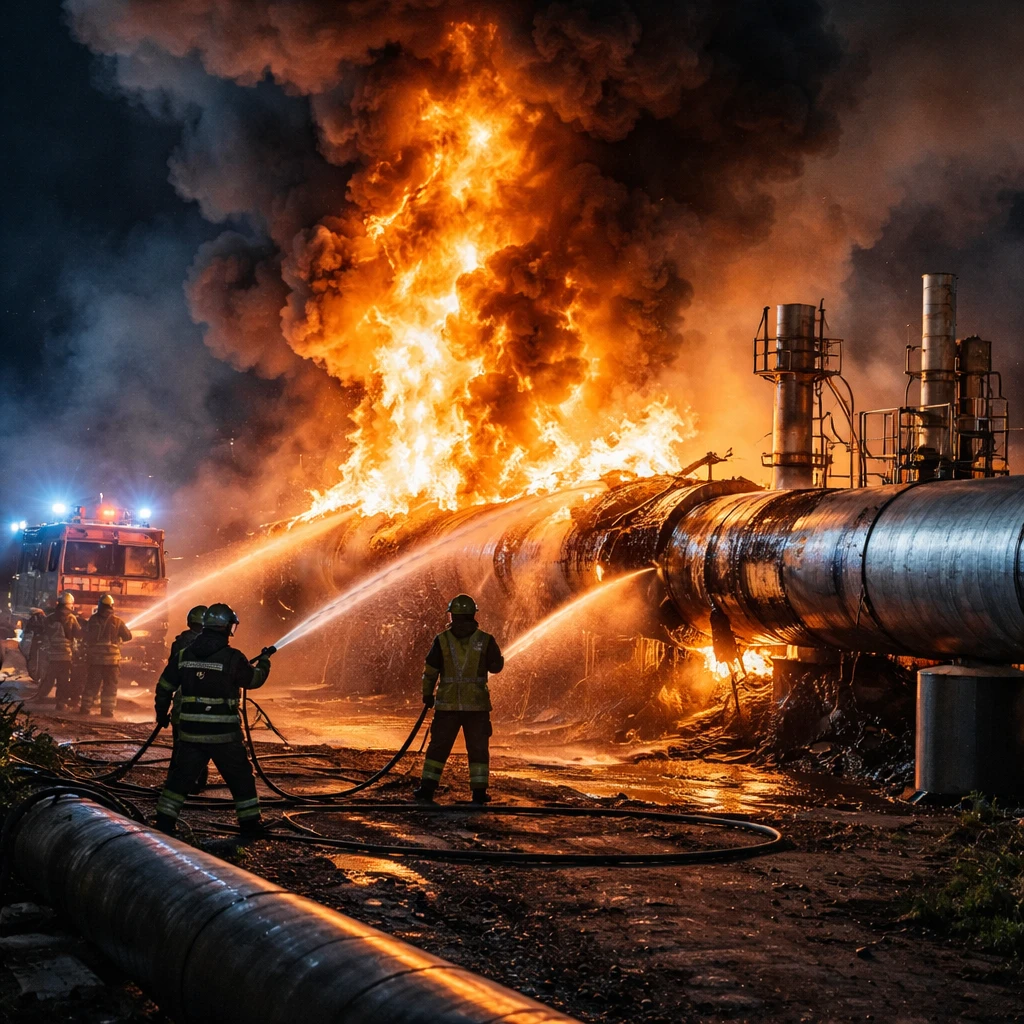
Ukraine's foreign ministry says oil transit through the Ukrainian stretch of the Druzhba pipeline has been stopped since January 27 after a targeted Russian strike that ignited infrastructure at the site. Images circulated by the ministry show emergency crews fighting the blaze. State oil and gas company Naftogaz also reported an attack on one of its eastern facilities that day but did not specify which installation was hit. The incident is notable because the Druzhba line is used by Russia to deliver oil to European countries. Ukraine has previously targeted the same pipeline on Russian soil, actions that temporarily cut flows and drew complaints from Hungary and Slovakia.

Key Points

  • Oil transit via the Ukrainian section of the Druzhba pipeline has been suspended since January 27 after a Russian strike ignited pipeline infrastructure.
  • Ukraine's foreign minister posted images of firefighters at the site and stated the blaze stopped transit; Naftogaz confirmed an attack that day but did not name the specific facility.
  • The Druzhba pipeline is used by Russia to supply oil to European countries; prior attacks on the pipeline by Ukraine within Russian territory previously halted pumping and drew complaints from Hungary and Slovakia.

Ukraine's foreign ministry announced on Thursday that oil transit to eastern Europe via the Ukrainian segment of the Druzhba pipeline has been suspended since January 27 after a Russian strike caused a fire at the pipeline infrastructure.

"This is the Druzhba pipeline infrastructure burning after the latest targeted Russian strike on January 27th, which stopped oil transit," Foreign Minister Andrii Sybiha wrote on X, accompanying the post with images that show firefighters combating flames at the scene.

State oil and gas company Naftogaz had also reported an attack on January 27 against one of its facilities in eastern Ukraine. The company said an attack occurred but did not identify which specific facility had been struck.

The suspension of flows through the Ukrainian section of the Druzhba pipeline represents an unusual development: the pipeline is used by Russia to supply oil to European countries, and the strike led directly to a halt in transit through the affected segment.

Ukraine itself has, in previous incidents, carried out multiple attacks on the Druzhba pipeline while the line was on Russian territory. Those prior actions temporarily stopped oil pumping and triggered complaints from downstream consumers, specifically Hungary and Slovakia, according to the information provided.

Available reports do not specify the exact facility hit by the January 27 attack, nor do they provide an estimate for how long the pipeline suspension will remain in effect. The foreign ministry's post focused on the images of the burning infrastructure and the immediate operational halt to oil transit.

The episode underscores the direct impact that strikes on energy infrastructure can have on cross-border oil movements. The immediate observable consequences reported are the fire at the pipeline site, the cessation of transit through the Ukrainian section of Druzhba since January 27, and the prior history of attacks and counterattacks that have led to temporary pumping stoppages and international complaints.


Further details are limited - public statements cited do not identify the specific Naftogaz facility affected or provide a timeline for repair and restoration of flows. The information released centers on the January 27 strike, the resulting blaze at the Druzhba infrastructure, and the operational stoppage.

Risks

  • Continued disruption to oil flows through the Druzhba pipeline could affect energy supply chains and downstream markets that rely on these deliveries - sectors impacted include oil and gas and European energy markets.
  • Uncertainty over the exact facility damaged and the timeline for repairs increases the risk of prolonged transit suspension - sectors impacted include pipeline operations and logistics.
  • Tensions over pipeline attacks and counterattacks can provoke diplomatic complaints and market sensitivity among recipient states, as evidenced by past complaints from Hungary and Slovakia - sectors impacted include regional energy policy and trade relations.

More from Commodities

Cuba Turns to Solar as Fuel Supplies and Power Grid Strain Under U.S. Measures Feb 20, 2026 Citigroup Maps Out Oil Price Paths as U.S.-Iran Tensions Mount Feb 20, 2026 Oil Rises, Tech and Credit Nervous as Geopolitics and AI Spending Reshape Markets Feb 20, 2026 EPA to Roll Back Mercury and Air Toxics Limits on Coal Plants, Citing Grid Reliability Feb 20, 2026 Raymond James: U.S. Military Action in Iran 'Likely at This Stage' as Tensions Rise Feb 20, 2026