
Commodities February 12, 2026

Prabowo Vows to Proceed with $20 Billion Free Meals Programme Amid Market Backlash

President says initiative will be funded by budget efficiencies as investors and ratings agencies express concern

By Jordan Park
Prabowo Vows to Proceed with $20 Billion Free Meals Programme Amid Market Backlash

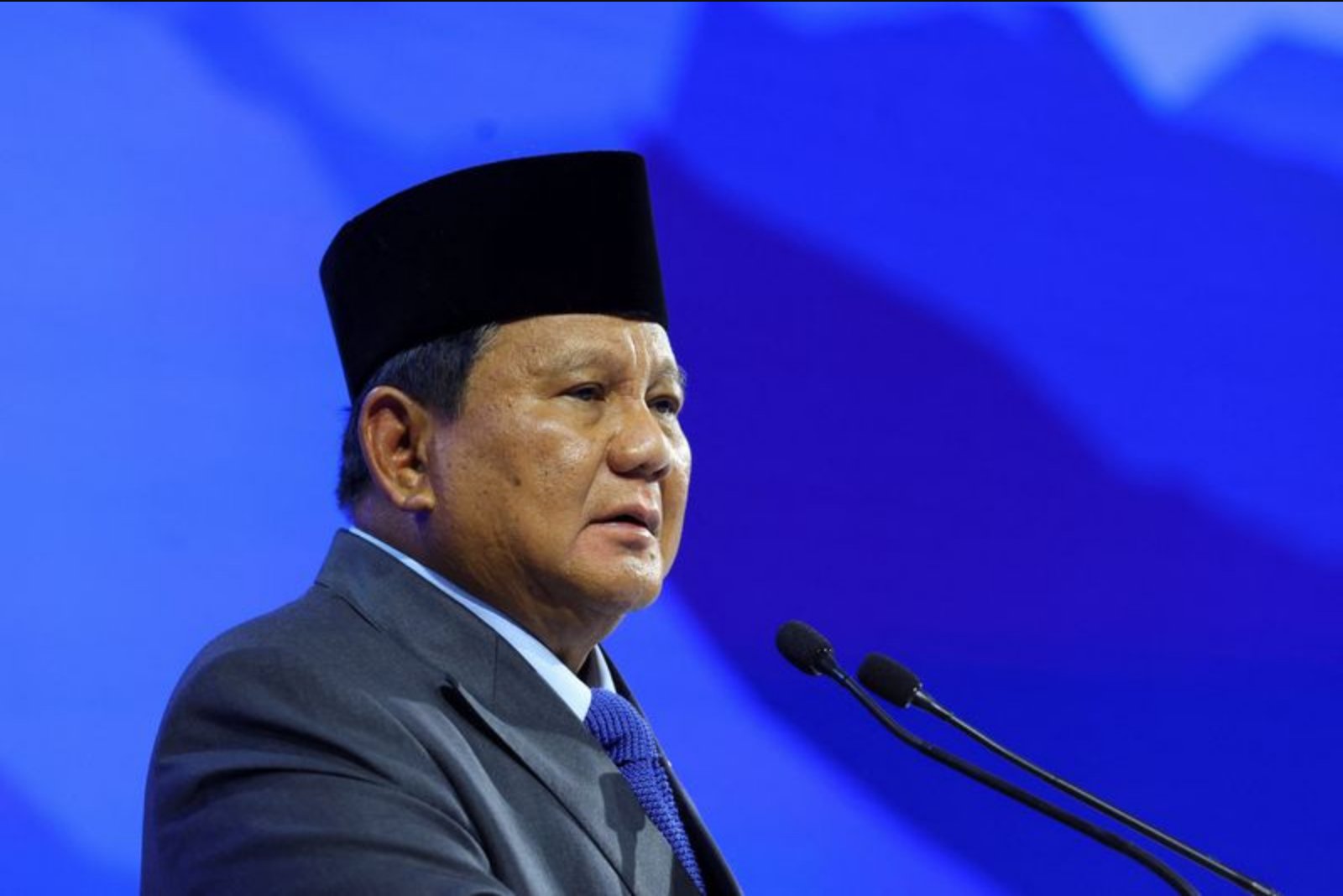
Indonesia’s president announced he will press ahead with a nationwide free meals programme funded through savings elsewhere in the state budget, despite an intense campaign criticizing the initiative and market turbulence that has shaken investor confidence. He defended the scheme at the opening of a police-run free meal kitchen in Jakarta and reiterated that the programme remains within the government's fiscal parameters.

Key Points

  • President Prabowo Subianto insists the $20 billion free meals programme will go forward and is being funded through budget efficiency measures - impacts fiscal policy and government spending sectors.
  • Recent market volatility followed an MSCI warning on stock market transparency that precipitated a $120 billion market value drop and preceded Moody's downgrade of outlooks - impacts equities, sovereign and corporate credit markets.
  • Health concerns have emerged: since the programme began in January last year, at least 15,000 children have fallen ill from food poisoning; the programme reported 60 million recipients as of Friday - impacts public health and school nutrition delivery systems.

Indonesia’s President Prabowo Subianto said on Friday he will continue with a large-scale free meals programme, dismissing what he called an "extraordinary" campaign accusing him of squandering public funds. He repeated that the initiative will be financed by reallocations and efficiency measures within the state budget.

Speaking at the inauguration of a free meal kitchen operated by the national police in Jakarta, Prabowo affirmed: "We will implement this programme." He directly addressed critics, saying: "We will face the extraordinary campaign, which said that I am wasting money."

The policy has drawn scrutiny from investors amid recent market turmoil. The country, Southeast Asia's largest economy, saw a severe market reaction after index provider MSCI issued a warning related to stock market transparency. That warning triggered a frantic sell-off that cut the market's aggregate value by $120 billion. In the days that followed, Moody's placed Indonesia's sovereign bond-rating outlook - and that of some of its companies - on negative.

Investor concern has been focused in part on the government's spending plans, of which Prabowo's free meals scheme is a prominent element. The programme is valued at $20 billion. In response to those concerns, Prabowo said savings from other budget items will fund the programme and that Indonesia will remain within its self-imposed fiscal deficit ceiling of 3% of gross domestic product.

"This is what we are saving money on, this is what we are diverting... Our state budget does not exceed the parameters we set," he said.

The public health record of the programme has also been called into question. Since its launch in January of last year, at least 15,000 children nationwide have reportedly fallen ill from food poisoning linked to the free meals. At the Jakarta event, Prabowo acknowledged the incidents but characterized the percentage of affected children as low and argued the overall initiative had succeeded. He noted that the programme had reached 60 million recipients as of Friday.

The president's remarks at the police-run kitchen underline both his commitment to the policy and the administration's position that the programme can be implemented without breaching fiscal rules. Beyond those declarations, the statements and recent market moves have left investors and ratings agencies weighing fiscal management and transparency as the programme proceeds.

Risks

  • Investor confidence risk: the programme and other spending plans have fuelled market anxiety, witnessed in a sharp sell-off and rating outlook downgrades - affects equities and sovereign/corporate bond markets.
  • Public health risk: at least 15,000 children have reportedly been affected by food poisoning linked to the free meals, creating reputational and operational risks for programme delivery - affects public health and school meal provision.
  • Fiscal constraint risk: while the president says reallocations will keep the deficit within a 3% of GDP limit, continuation of large-scale spending may sustain scrutiny from markets and ratings agencies - affects fiscal policy and sovereign creditworthiness.

More from Commodities

Cuba Turns to Solar as Fuel Supplies and Power Grid Strain Under U.S. Measures Feb 20, 2026 Citigroup Maps Out Oil Price Paths as U.S.-Iran Tensions Mount Feb 20, 2026 Oil Rises, Tech and Credit Nervous as Geopolitics and AI Spending Reshape Markets Feb 20, 2026 EPA to Roll Back Mercury and Air Toxics Limits on Coal Plants, Citing Grid Reliability Feb 20, 2026 Raymond James: U.S. Military Action in Iran 'Likely at This Stage' as Tensions Rise Feb 20, 2026